Few plants in temperate wetlands demand as much caution to harvest as Cladium mariscus, whose leaves carry edges sharp enough to cause deep lacerations. Known as swamp sawgrass, great fen-sedge, saw-sedge or sawtooth sedge (and formerly elk sedge), this flowering plant belongs to the sedge family, Cyperaceae.
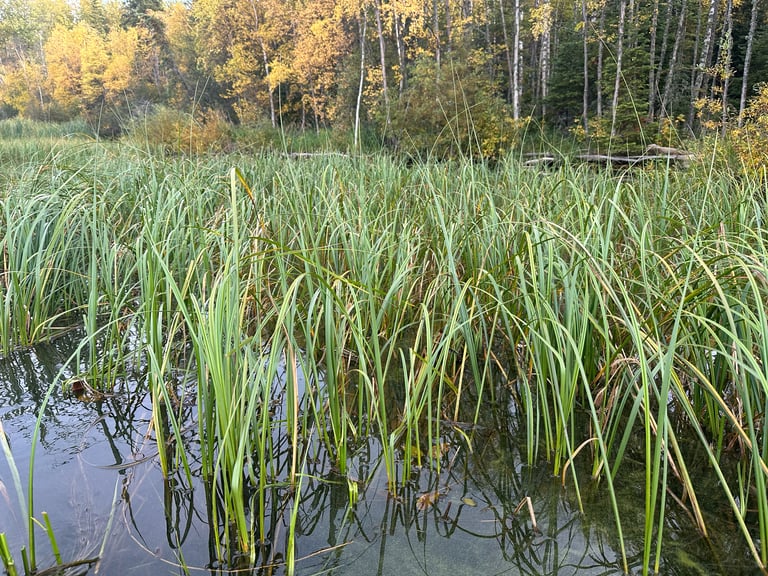
It grows natively across temperate Europe and Asia, favoring base-rich boggy areas and lakesides, and carries an IUCN status of Least Concern. Standing up to 2.5 meters tall, it is a striking presence in the fens and marshes it calls home, with a history tied closely to traditional roofing crafts.
Identification and Appearance
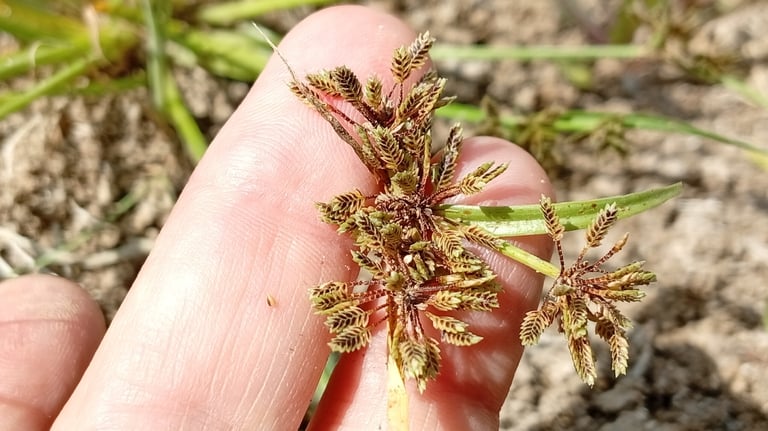
The most useful field mark for Cladium mariscus is its leaves: long, tough, and armed with hard serrated edges capable of cutting skin. This trait, reflected in common names like saw-sedge and sawtooth sedge, sets it apart at a glance from softer-leaved wetland grasses and sedges.
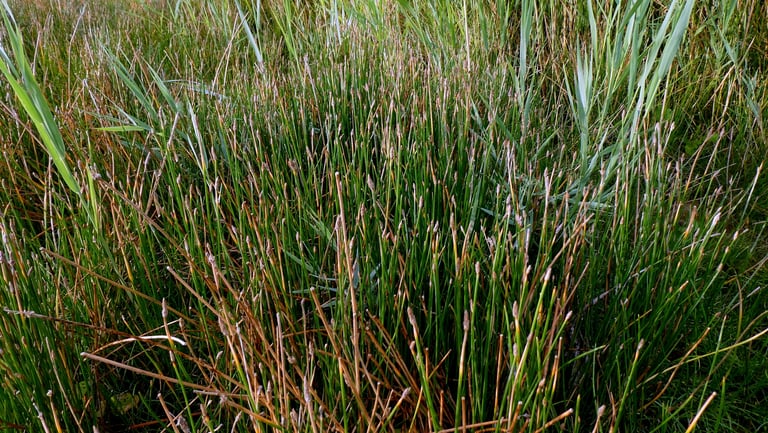
The plant reaches up to 2.5 meters in height, making it one of the taller sedges found in the boggy habitats it occupies. Its stature alone, combined with dense stands, often makes it visible from a distance across fens and lake margins.
Distribution and Habitat
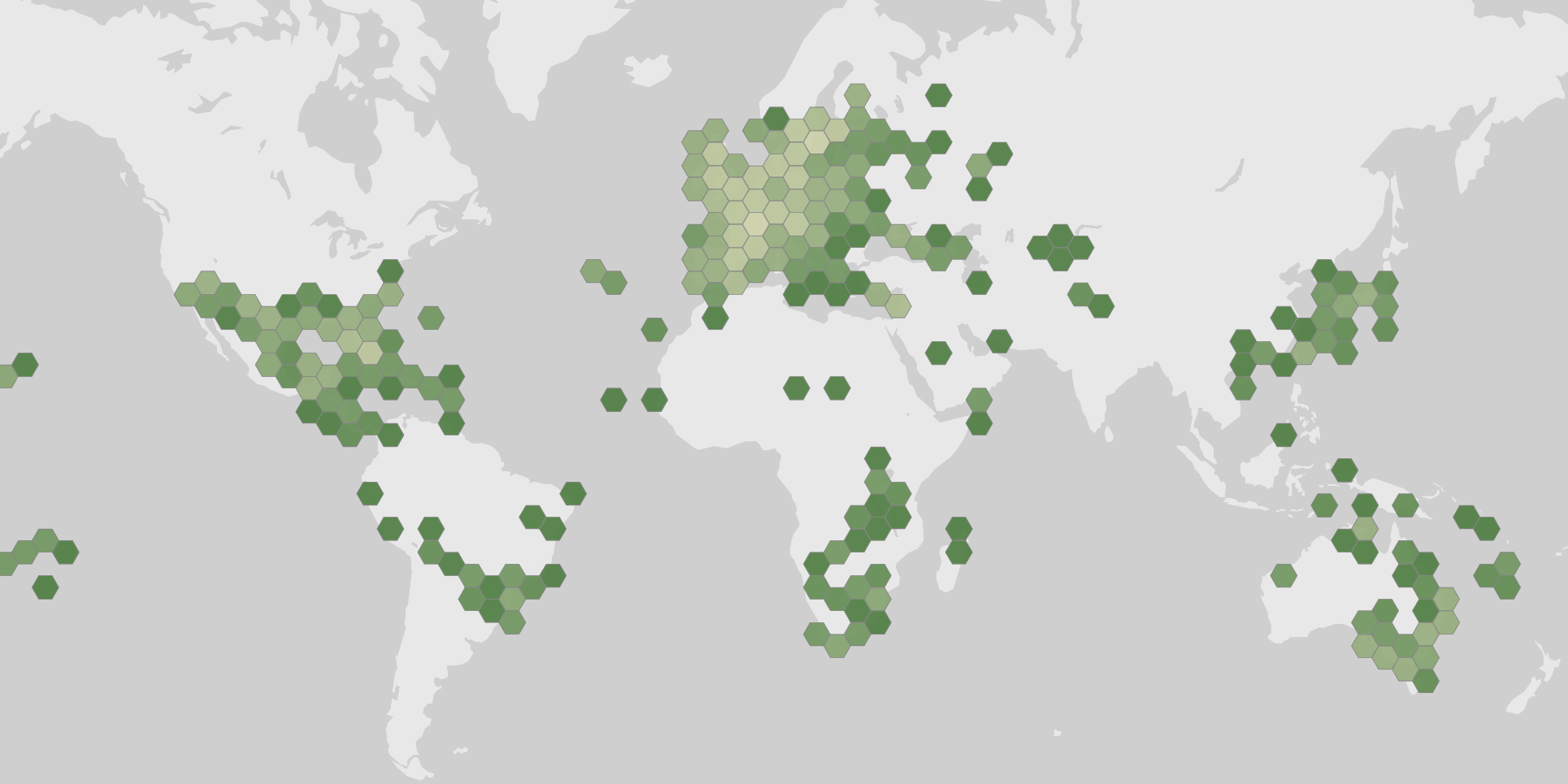
Cladium mariscus has a broad native range spanning temperate Europe and Asia, North Africa, and extending into parts of the Americas, Australia, and the southwest Pacific. Its native distribution touches an unusually long list of regions, from Great Britain, Ireland, and Scandinavia through central and eastern Europe, the Mediterranean basin, the Caucasus, and into parts of China, Korea, and Japan, as well as scattered populations across the Americas including the southeastern United States, Mexico, the Caribbean, and parts of South America.
Beyond its native range, the species has also become established in numerous introduced locations across Africa, Madagascar, Hawaii, and various Pacific islands, indicating a capacity to colonize suitable wetland habitats well beyond its original range.
Within this range, it favors base-rich boggy areas and lakesides, habitats that provide the waterlogged, mineral-rich conditions the species needs. Observation records through the year show more reports in late spring and summer months, which may reflect a period of greater seasonal visibility or observer activity rather than a true peak in plant presence.
Growth and Form
Cladium mariscus is a perennial, persisting and regrowing over multiple years rather than completing its life cycle in a single season. This perennial habit, combined with its tall growth to 2.5 meters, allows it to form the dense, long-lived stands characteristic of the fens and lakesides it inhabits.
Ecology and Relationships
Cladium mariscus supports a range of invertebrates that feed on it, with insects forming the most consistently recorded group of consumers. Grasshoppers such as Aiolopus thalassinus and Epacromius tergestinus, moths including Nascia cilialis and Celaena leucostigma, and beetles like Plateumaris rustica and Plateumaris sericea have all been recorded feeding on the plant.
Other recorded associates include the true bug Cymus aurescens, the weevil Limnobaris t-album, the micromoth Glyphipterix schoenicolella, and the European pond turtle Emys orbicularis, which has also been recorded in connection with the species. Together these records point to the sedge serving as a food source and habitat element for a variety of wetland-associated insects and other animals.
Uses and Human Relationships
Historically, the sharp-edged leaves of Cladium mariscus made it valuable as a material for thatched roofs, a use tied directly to its tough, serrated foliage. Gathering it for this purpose was demanding work because of the injury risk its edges posed to harvesters.
In the Lucayan Archipelago, where the species also occurs alongside populations in the southern United States, the Caribbean, and Mexico, it is not known to have been used medicinally.
Fun Facts
- The plant was formerly known by the common name elk sedge before its current names became established.
- Beyond its use for bedding material, research has raised the possibility that people in the past also collected its nutlets for food, similar to how underground storage organs and nutlets of other sedge species have been eaten historically and in more recent times.
Photos
Photographs from via iNaturalist, licensed under CC0 1.0., by Flavien Saboureau via iNaturalist, licensed under CC BY 4.0., by zebedeugalinha via iNaturalist, licensed under CC BY 4.0., by Augustin Soulard via iNaturalist, licensed under CC BY 4.0., by 大澤風季 ohsawa_Fuki via iNaturalist, licensed under CC BY 4.0., by Tom Field via iNaturalist, licensed under CC BY 4.0., by Andrew Gibson via iNaturalist, licensed under CC BY 4.0., and by Анна Митрошенкова via iNaturalist, licensed under CC BY 4.0., credited on each photo.
Ecology and classification
Habitat
Growth habit
- Graminoid
Classification
- Phylum
- Tracheophyta
- Class
- Liliopsida
- Order
- Poales
- Family
- Cyperaceae
- Genus
- Cladium
- Species
- Cladium mariscus
Sources
- GBIF Species names and classification
- iNaturalist Photos
- Wikidata Common names and conservation status
- Wikipedia Summary extract
- Plants of the World Online Native range, life form and climate (WCVP)
- GloBI What it eats, what eats it, parasites and pollinators
- trophiCH