Few sedges carry as clear a colour clue as Carex spicata, which has a purple pigment in its roots, leaf sheaths and bracts.
Carex spicata is a perennial sedge in the family Cyperaceae, a grass-like plant that belongs to the genus Carex. It is native to temperate Europe and grows in open, grassy places.
Its native and introduced ranges, along with its role as food for many insects, make it a useful species to study for anyone interested in sedges and grassland plants.
Identification and Appearance
The most useful field mark is the purple pigment found in the roots, leaf sheaths and bracts. This feature separates Carex spicata from the other species in its section, Phaestoglochin.
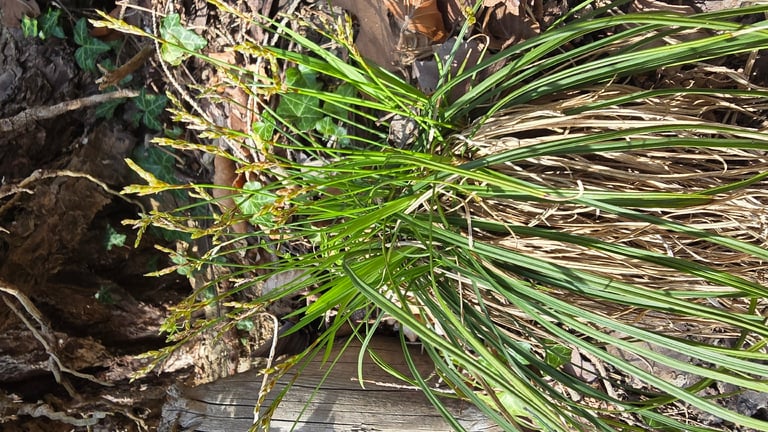
The culms are 10–85 centimetres long and roughly triangular in cross-section. The leaves are 7–45 centimetres long and 2–4 millimetres wide, with a distinct keel along the midrib. At the base of each leaf, the ligule is 4–8 millimetres long and contains a large amount of loose white tissue.
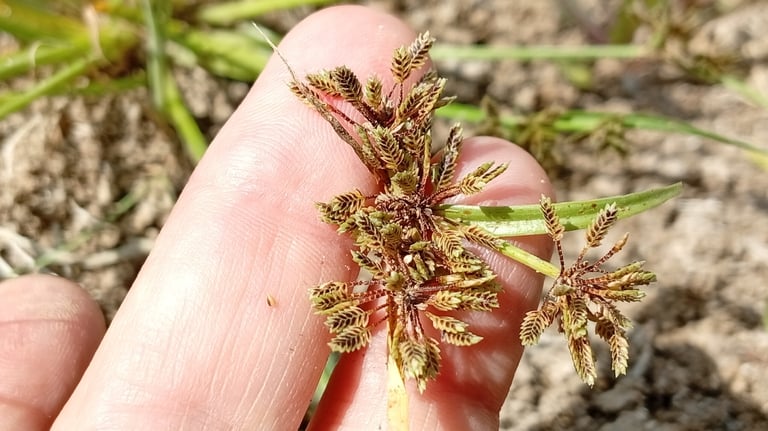
The inflorescence is 4–8 centimetres long and holds 3–8 spikes. Each spike is 5–10 millimetres long, with female flowers at its base and male flowers at its tip.
Distribution and Habitat
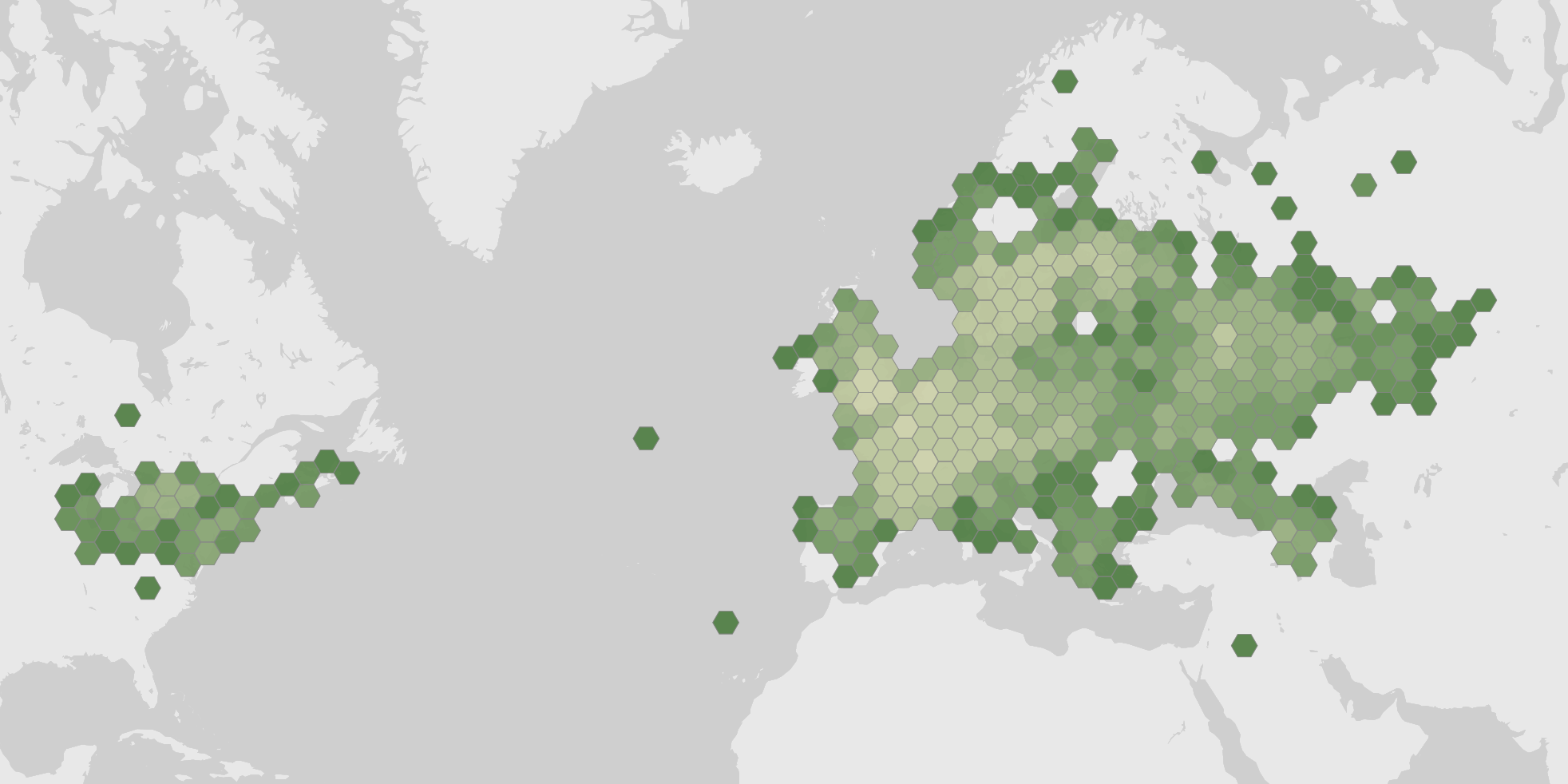
Carex spicata has a European temperate distribution. Its native range runs from Madeira and much of Europe east to southwestern Siberia and northwestern Iran, including Great Britain, Ireland, Scandinavia, Iberia, Italy and the Balkans.
Outside this range, the species has spread widely. It has established in parts of the northeastern United States, including New York, Pennsylvania and New England states, as well as in Ontario, Nova Scotia, the South Island of New Zealand and Primorye in Russia.
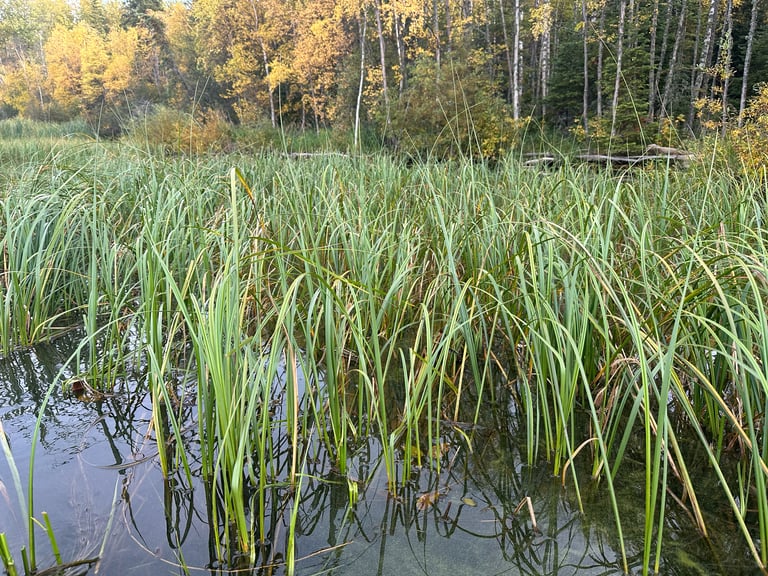
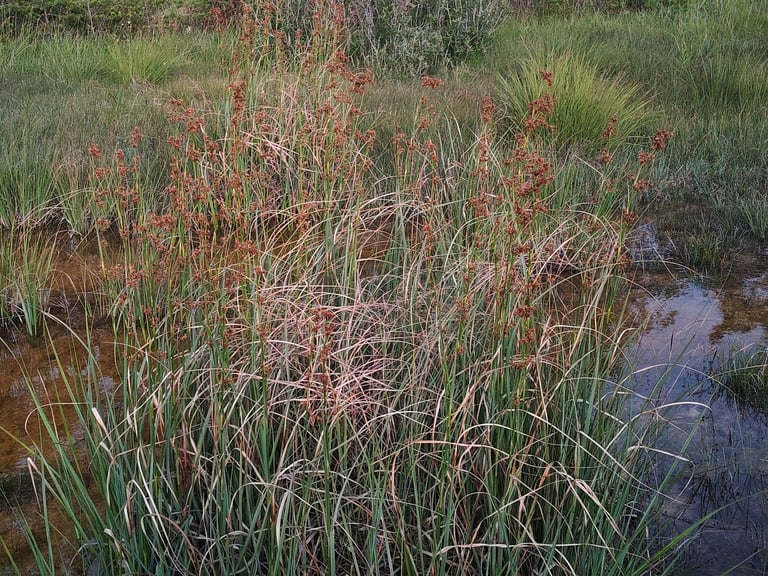
It grows mainly in grassland, including fields, pastures and lawns. In the British Isles it is usually found in the British NVC community MG10. It also occurs on roadsides and in waste ground, from sea level up to 300 metres.
It favors heavy, slightly base-rich soils. It cannot tolerate much competition from other plants, which limits it to open ground. Observations cluster in late spring and early summer, peaking in June.
Growth and Form
Carex spicata is a graminoid, a grass-like plant with narrow leaves and slender stems. It is a perennial, so it persists from year to year rather than completing its life in one season.
Its culms rise from the base as upright, three-angled stems, and its keeled leaves give the plant a tufted, grass-like appearance.
Ecology and Relationships
Grasshoppers are among the main consumers of Carex spicata. Species such as Chorthippus parallelus feed on its foliage, and other grasshoppers in the genera Gomphocerippus and Omocestus share this habit.
True bugs, beetles, moth caterpillars and flies also feed on the plant. Among the moths, species such as Apamea scolopacina feed on its tissues. Smaller wasps and waterfowl appear among its less common partners.
The plant needs open, heavy, slightly base-rich soils with little competition from taller plants, so it thrives where grazing and disturbance keep other vegetation low.
Photos
Photographs from by Ondřej Křivan via iNaturalist, licensed under CC BY 4.0., via iNaturalist, licensed under CC0 1.0., by Дарья Друщенко via iNaturalist, licensed under CC BY 4.0., by Мирослав Соболев via iNaturalist, licensed under CC BY 4.0., by Iona Cowell via iNaturalist, licensed under CC BY 4.0., by Terry Instone via iNaturalist, licensed under CC BY 4.0., by Bobo-X via iNaturalist, licensed under CC BY 4.0., by Oleksandr Shynder via iNaturalist, licensed under CC BY 4.0., by Thomas Dreux via iNaturalist, licensed under CC BY 4.0., by Andreas Schneider via iNaturalist, licensed under CC BY 4.0., by Екатерина Гущина via iNaturalist, licensed under CC BY 4.0., by olha_chusova via iNaturalist, licensed under CC BY 4.0., by Константин Селивёрстов via iNaturalist, licensed under CC BY 4.0., by Илья Руденко via iNaturalist, licensed under CC BY 4.0., by Lorna Halliwell via iNaturalist, licensed under CC BY 4.0., and by Stanislav Murashkin via iNaturalist, licensed under CC BY 4.0., credited on each photo.
Ecology and classification
Habitat
Growth habit
- Graminoid
Classification
- Phylum
- Tracheophyta
- Class
- Liliopsida
- Order
- Poales
- Family
- Cyperaceae
- Genus
- Carex
- Species
- Carex spicata
Sources
- GBIF Species names and classification
- iNaturalist Photos
- Wikidata Common names and conservation status
- Wikipedia Summary extract
- Encyclopedia of Life Habitat, diet and behavior traits
- Plants of the World Online Native range, life form and climate (WCVP)
- USDA Plants US plants: growth habit and growing conditions
- GloBI What it eats, what eats it, parasites and pollinators
- trophiCH