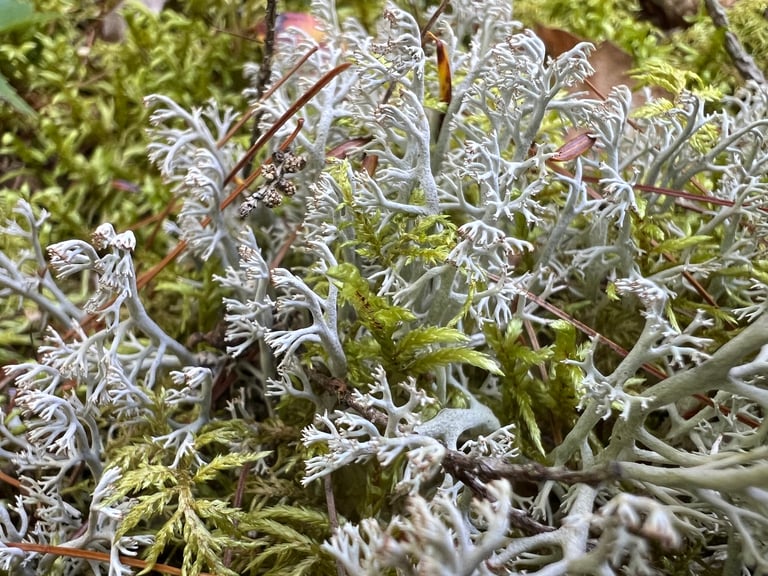
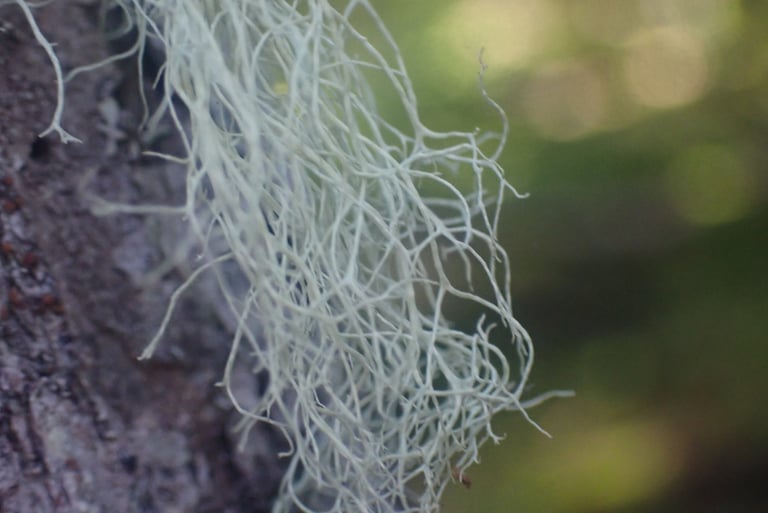
Cladonia uncialis carries a taxonomic pedigree stretching back to Carl Linnaeus, who first described it as a species in 1753. Nearly three decades later, in 1780, Friedrich Heinrich Wiggers moved it into the genus Cladonia, where it has remained ever since.
This is a fruticose, cup-forming lichen in the family Cladoniaceae, part of the fungal class Lecanoromycetes within the phylum Ascomycota. In North America it goes by the fitting common names thorn Cladonia or thorn cup lichen, hinting at the spiky, branching form its fruiting structures take.
Few lichens carry such a direct link to Linnaean botany itself, making Cladonia uncialis a small but persistent thread connecting modern lichenology to the very origins of formal species classification.
Fruiting Body and Identification
Cladonia uncialis is identified primarily by its fruticose growth form, a shrubby, upright structure rather than a flat crust or leafy thallus. As a cup lichen in the family Cladoniaceae, it produces the branching, hollow-stemmed podetia typical of the genus, a growth style that sets Cladonia species apart from crustose or foliose lichens at a glance.
Detailed data on this species' cap-like structures, color changes with age, or spore characteristics are not available here, but its classification as a fruticose cup lichen places it among the upright, tufted Cladonia forms often seen carpeting open ground in cool climates.
Distribution and Habitat
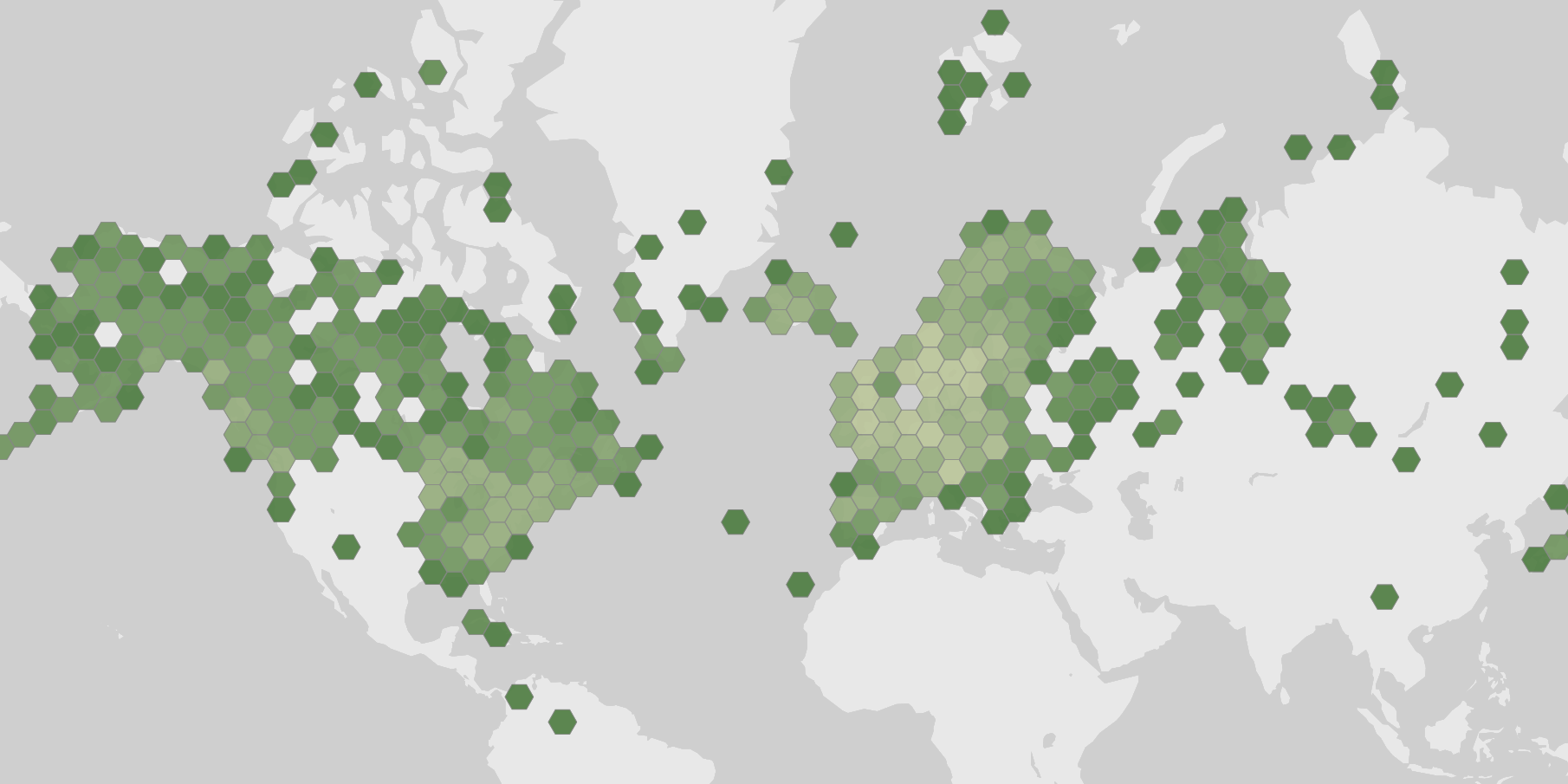
Observation records for Cladonia uncialis show a strong seasonal pattern, with reported sightings climbing sharply from spring into summer. Counts rise from around 900 in February to a peak of over 6,300 in July, before declining steadily through autumn and winter to fewer than 900 by December.
This pattern suggests the lichen is most frequently noticed or recorded during the summer months, particularly June through August, though this reflects observer activity and detectability rather than a true seasonal life cycle. As the underlying data notes, these are presence records only, not measures of abundance or a complete picture of the species' native range.
Fun Facts
- The genus Cladonia, which includes Cladonia uncialis, is a primary food source for reindeer and caribou in northern ecosystems.
- Because of this, Cladonia species hold real economic importance for reindeer-herding peoples, including the Sami of Scandinavia and the Nenets of Russia.
- Researchers have extracted antibiotic compounds from some species within the Cladonia genus.