A single colony of the fairy inkcap can carry roughly 143 distinct mating types, a level of genetic variety rarely seen in a mushroom barely taller than a matchstick.
Coprinellus disseminatus, also called the fairy bonnet or trooping crumble cap, is a small agaric fungus in the family Psathyrellaceae. It grows around dead wood in Europe and North America, favoring rotting stumps and buried timber rather than open ground.
What makes it worth a closer look is less its size than its behavior: dozens to hundreds of these delicate caps erupt together overnight, forming dense troops that vanish almost as quickly as they appeared.
Fruiting Body and Identification
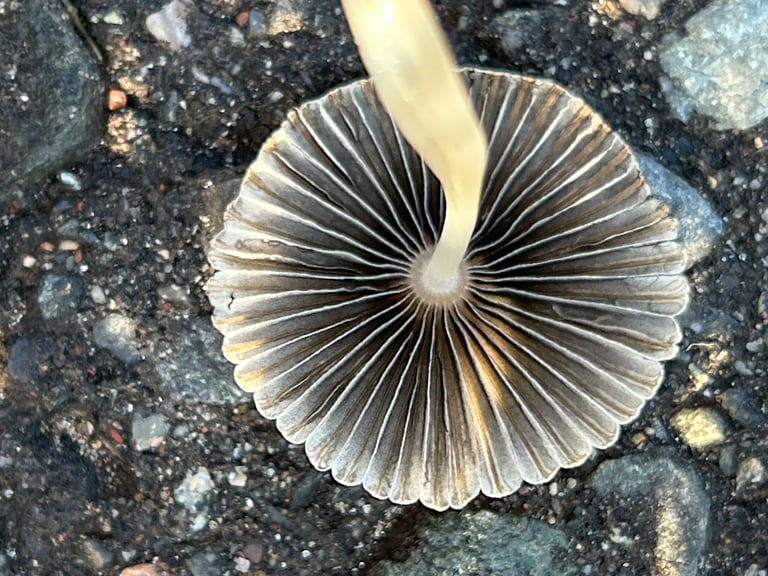
The most reliable way to identify Coprinellus disseminatus is by what it does not do: unlike most coprinoid mushrooms, it never dissolves into black ink (deliquesces) as it matures, staying intact instead of collapsing into a inky slick.
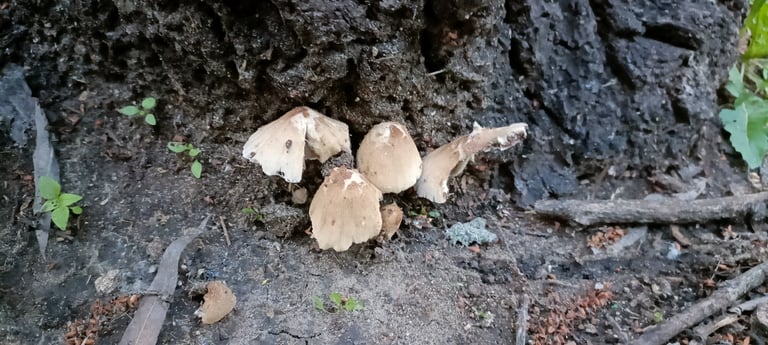
The fruiting body reaches only about 4 centimeters tall. The cap starts bell-shaped and tannish, then fades to gray as the mushroom ages, giving older specimens a washed-out, papery look. The stem is thin and fragile, matching the delicate build of the cap.
The spore print is blackish-brown, consistent with its placement among the ink-cap relatives even though it lacks their signature dissolving act.
Identification in the field is genuinely difficult: the species is hard to distinguish from related lookalikes in the genus Tulosesus without closer examination, so casual observers should treat similar small, clustered, bell-shaped mushrooms on wood with caution before assuming they are the same species.
Distribution and Habitat
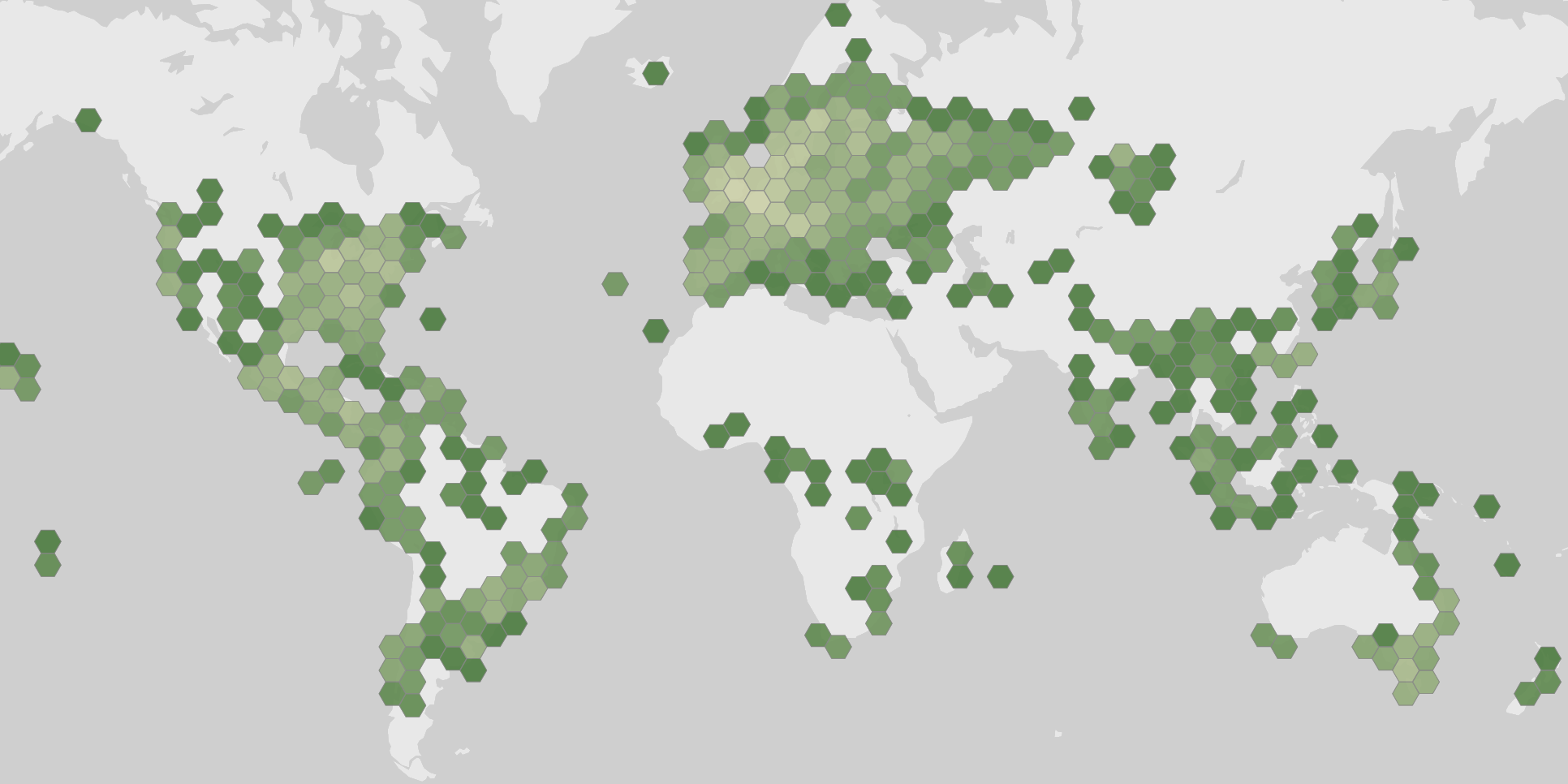
Coprinellus disseminatus is widespread across Europe and also occurs in North America, where it grows on dead wood such as rotting stumps and buried timber. In North America, it has been recorded from May to November along the East Coast, and from October to March near the West Coast, suggesting the two regions follow different seasonal windows for fruiting.
Monthly observation records show a clear rise through the year, climbing from a low of around 500 sightings in February to a peak near 7,900 in October, before dropping sharply by December. This pattern points to a late-summer and autumn peak in fruiting activity, though these figures are presence records from observers and not a measure of true population size or abundance.
The species' dependence on dead wood ties its distribution closely to forested and wooded habitats, particularly disturbed or decaying woody debris where stumps and buried timber provide the substrate it needs.
Uses and Cultural History
Coprinellus disseminatus is nonpoisonous and can be eaten either raw or cooked. It is not commonly gathered for the table in a serious way, mainly because of its small size.
Its fragile, tiny caps do not preserve well after picking, limiting any practical use beyond immediate consumption. Combined with its diminutive stature, it is generally considered too small to hold any real economic value.
Fun Facts
- The genus name Coprinellus echoes Coprinus, meaning "living on dung," yet this species feeds only on rotting wood and avoids dung entirely, making the name somewhat misleading for it.
- It goes by several common names, including fairy inkcap, fairy bonnet, and trooping crumble cap, each pointing to its habit of appearing in dense, fairy-ring-like troops.
- Colonies of the fairy inkcap can consist of hundreds of individual mushrooms bursting from the same patch of buried or rotting wood at once, rather than growing as scattered single caps.
Ecology
Habitat
- Forest
- Woodland
- Disturbed Ground