Introduced to Canada in 1890 from its native Siberia, the narrowleaf hawksbeard has since spread across nearly all of North America, becoming one of the more persistent weeds of cultivated fields and roadsides.
This annual or winter annual member of the daisy family, Asteraceae, stands between 30 and 100 centimeters tall, with a single branched, hairless stem and narrow, alternate leaves. It thrives in disturbed ground and agricultural land, where its wind-borne seeds allow it to colonize new areas quickly.
Identification and Appearance
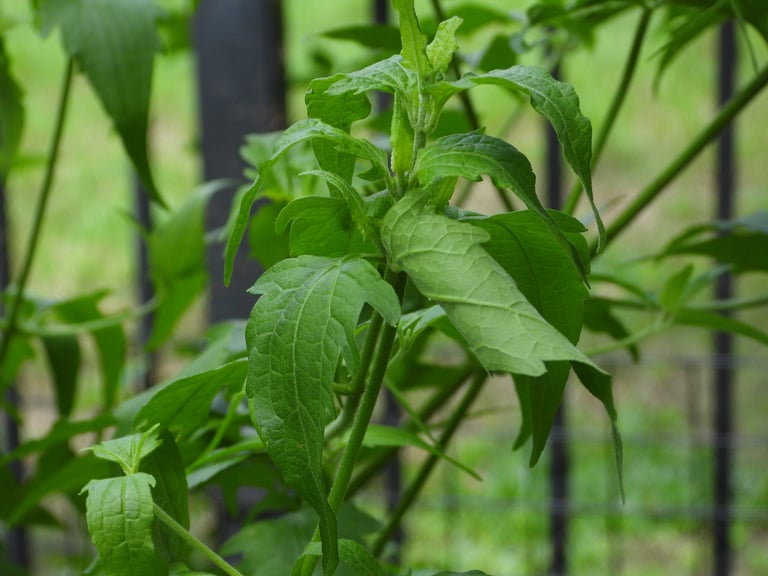
The most useful field mark is the combination of a tall, erect, hairless stem with small dandelion-like flower heads clustered in branched inflorescences. Each flower head, about half an inch to three-quarters of an inch wide, contains 30 to 70 yellow ray florets rather than a single bloom, despite its daisy-like appearance.
Mature plants reach roughly 3 feet (about 0.91 meters) tall, with pointed, lobed leaves 10 to 15 centimeters long and up to 4 centimeters wide. The stem may contain a milky-white latex, a trait shared with many dandelion relatives.
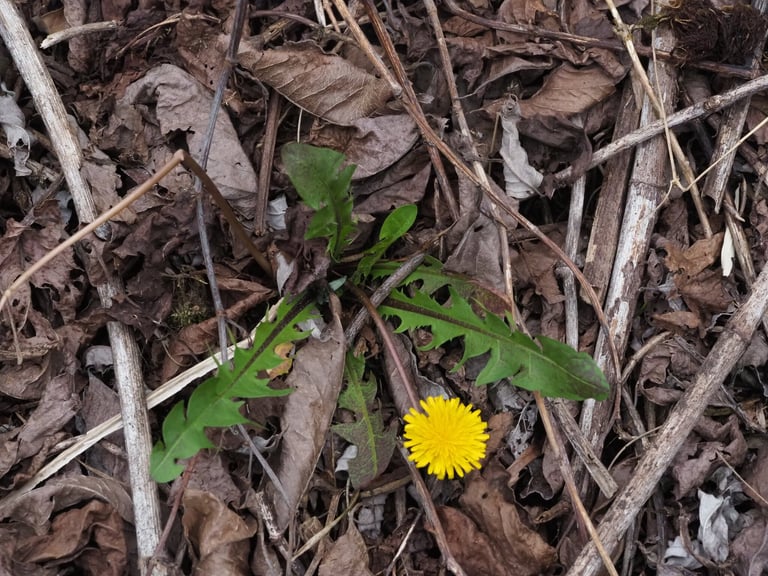
Juveniles form a basal rosette before the flowering stem emerges. Seedlings have oval cotyledons followed by elongated first true leaves with petioles. Crepis tectorum can be confused with true dandelions at this early stage, but its leaves show teeth pointing downward along the underside margin, a detail dandelions lack.
Once the plant goes to seed, it develops a white, fluffy seed head in place of each flower. The seeds themselves are dark purple-brown, cylindrical achenes equipped with a pappus of fine hairs that carries them on the wind.
Distribution and Habitat
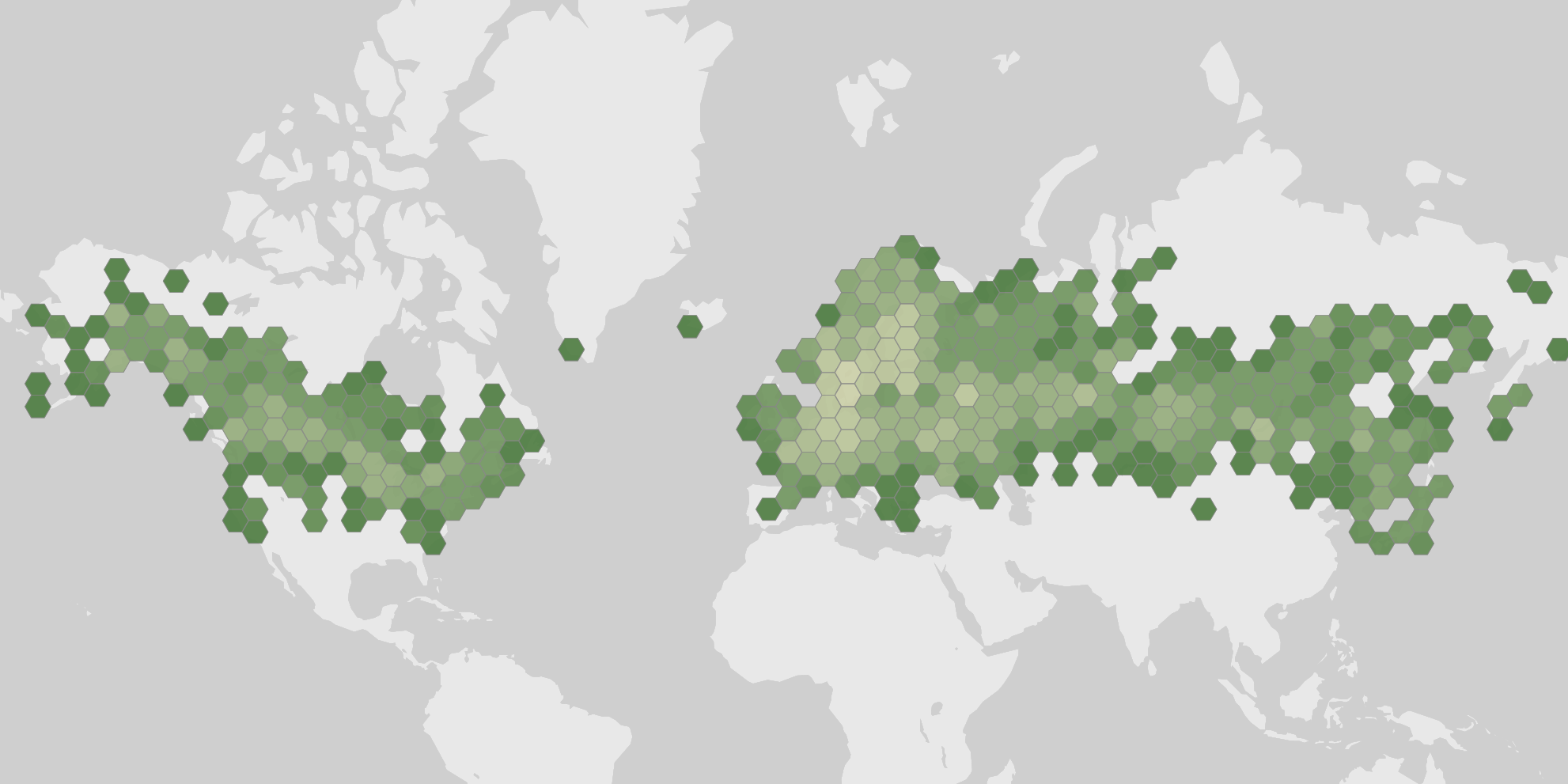
Crepis tectorum is native across most of Europe and northern and central Asia, including Russia, Kazakhstan, Mongolia, and parts of China such as Inner Mongolia, Heilongjiang, and Xinjiang. From this broad Eurasian range it has become naturalized across much of Canada, Greenland, and the northern United States, including Alaska, and is now commonly found in the parkland zone of Alberta, Saskatchewan, and Manitoba.
The species favors waste areas, cultivated and reduced-tillage fields, forage and hay fields, and roadsides. It tolerates both calcareous soils and those lacking lime, but grows best in nutrient-rich clays and loams, and it also thrives in dry, coarse soils. Seeds germinate at temperatures of 2 to 4°C (36 to 39°F), typically at a depth of 3 to 4 centimeters.
Observation records show a sharp rise in sightings from late spring through mid-summer, with counts peaking around June and July before tapering off by autumn, consistent with its main flowering and growing season in temperate regions.
Growth and Form
Crepis tectorum grows as an annual or winter annual herb, completing its life cycle within one growing season or overwintering as a rosette before flowering. It reaches a mature height of 30 to 100 centimeters on a single, branched, leafy stem.
Ecology and Relationships
As a common roadside and field plant, Crepis tectorum is visited by a range of insects, most notably bumblebees such as Bombus lapidarius along with hoverflies like Episyrphus balteatus and various mining bees in the genus Andrena, though a visit alone does not confirm pollination.
The plant also supports a variety of herbivores and sap-feeders, including grasshoppers and bush-crickets such as Calliptamus barbarus, Decticus albifrons, and Oedipoda caerulescens, along with aphids like Uroleucon picridis and Aphis crepidis. Sheep (Ovis aries) have also been recorded feeding on it.
Its ecological role is closely tied to disturbed and cultivated ground: the species can take over fields and roadsides if left unchecked, altering conditions for surrounding plants and soil.
Uses and Human Relationships
Crepis tectorum, the narrowleaf hawksbeard, appears in various botanical records with mentions of potential use in traditional and folk plant practices, including references found in Ayurveda and other local traditions.
These references remain part of broader historical and cultural documentation of the plant rather than established modern applications.
Fun Facts
- The narrowleaf hawksbeard's seed heads, once the yellow flowers fade, turn into fluffy white puffs similar to those of dandelions, dispersing dark purple-brown achenes on the wind.
- It was introduced to Canada in 1890, arriving from its native Siberia, and has since become a fixture of North American field and roadside ecosystems.
Photos
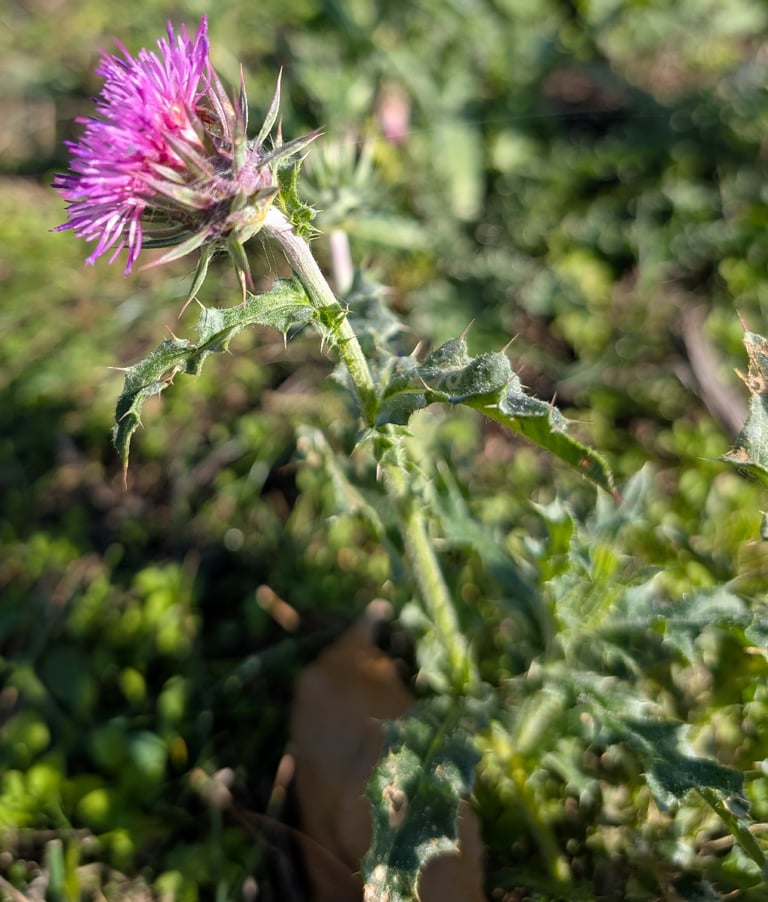
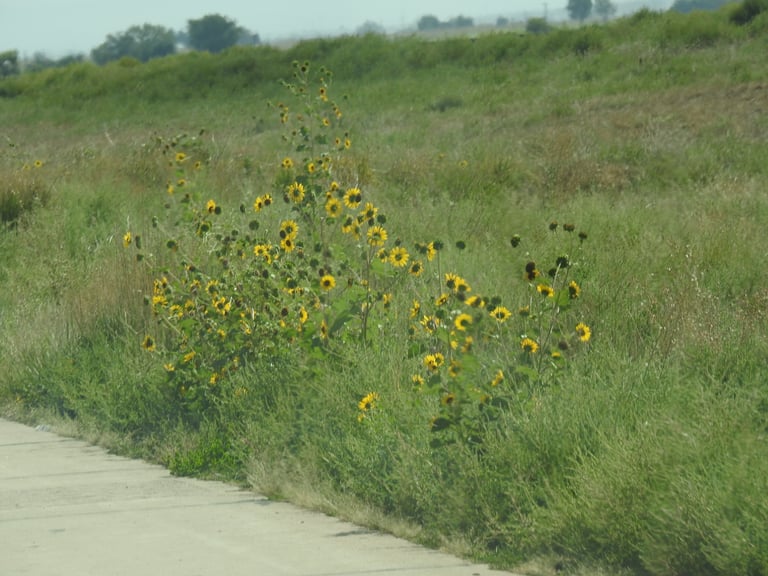
Photographs from via iNaturalist, licensed under CC0 1.0., by Полина Полежанкина via iNaturalist, licensed under CC BY 4.0., by Robyn Perkins via iNaturalist, licensed under CC BY 4.0., and by Matt Berger via iNaturalist, licensed under CC BY 4.0., credited on each photo.
Ecology and classification
Habitat
Growth habit
- Herb
Classification
- Phylum
- Tracheophyta
- Class
- Magnoliopsida
- Order
- Asterales
- Family
- Asteraceae
- Genus
- Crepis
- Species
- Crepis tectorum
Sources
- GBIF Species names and classification
- iNaturalist Photos
- Wikidata Common names and conservation status
- Wikipedia Summary extract
- Plants of the World Online Native range, life form and climate (WCVP)
- GloBI What it eats, what eats it, parasites and pollinators
- trophiCH
- Schwarz et al. 2021
- EuPPollNet