Cystolepiota seminuda is a common mushroom of the genus Cystolepiota, and it is inedible. It grows on humus, and it is often found along forest roads.
As a member of the family Agaricaceae, it belongs to the order Agaricales within the Basidiomycota. Its small size and grainy surface make it easy to overlook on the forest floor.
Fruiting Body and Identification
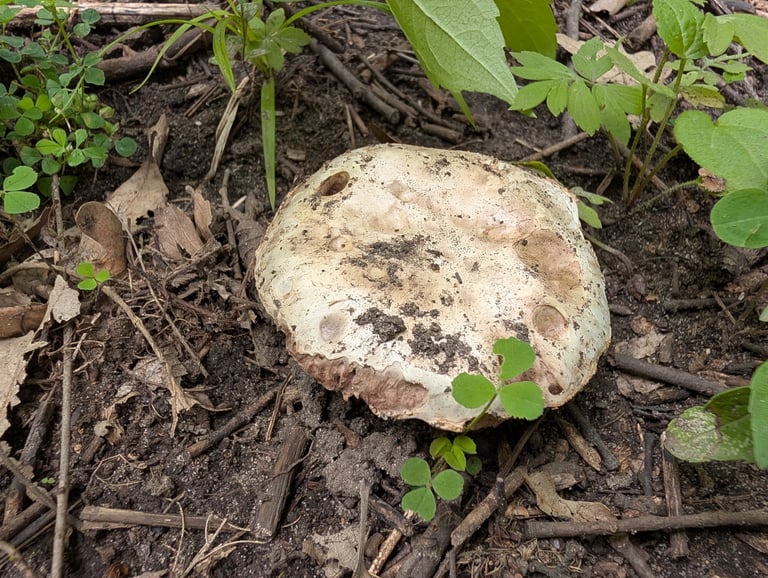
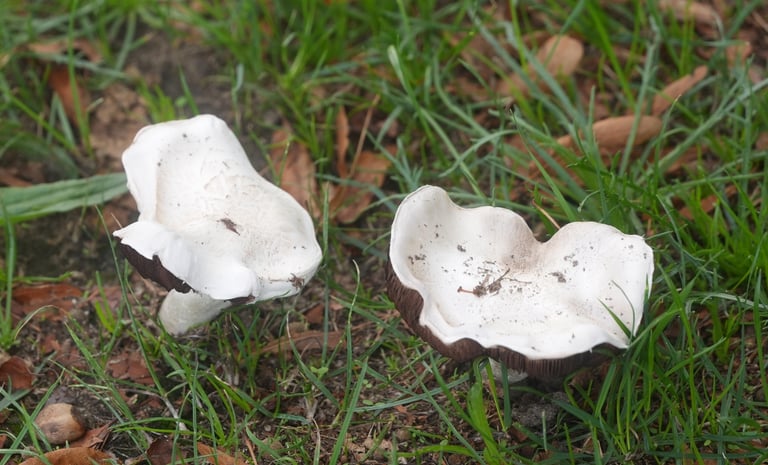
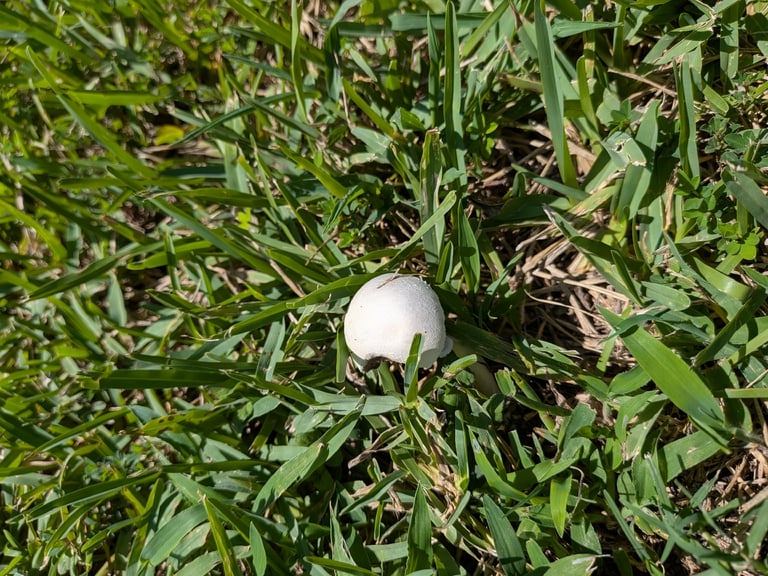
The most reliable feature is the grainy, white surface of the fruiting body. The cap is convex to bell shaped, white and evenly grainy, and it often has a fringed margin. It measures up to 2 cm across.
The gills are white and crowded, and they produce white spores. The stem is white and flaky, with a grainy texture. When bruised, the stem turns slightly purple.
Distribution and Habitat
Cystolepiota seminuda grows on humus, and it is often found along forest roads. Its habitat is therefore mainly forest floors and the edges of woodland tracks.
Observations peak in September, with high counts also in October and August. Presence is lower from December through July, when the mushroom is rarely recorded.

Photos
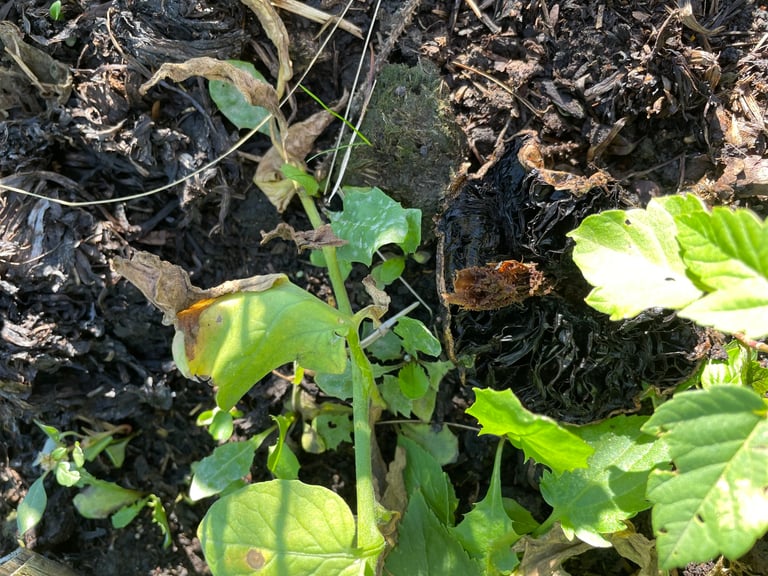
Photographs from via iNaturalist, licensed under CC0 1.0., by Vincent B. via iNaturalist, licensed under CC BY 4.0., by Carlos Domínguez-Rodríguez via iNaturalist, licensed under CC BY 4.0., by Vladislav Isaev via iNaturalist, licensed under CC BY 4.0., by Daniel Ghyselinck via iNaturalist, licensed under CC BY 4.0., by Ondřej Křivan via iNaturalist, licensed under CC BY 4.0., by Yvonne Engmann via iNaturalist, licensed under CC BY 4.0., by Rachel Lee Harper via iNaturalist, licensed under CC BY 4.0., and by kedgehog via iNaturalist, licensed under CC BY 4.0., credited on each photo.
Ecology and classification
Habitat
Classification
- Phylum
- Basidiomycota
- Class
- Agaricomycetes
- Order
- Agaricales
- Family
- Agaricaceae
- Genus
- Cystolepiota
- Species
- Cystolepiota seminuda
Sources
- GBIF Species names and classification
- iNaturalist Photos
- Wikidata Common names and conservation status
- Wikipedia Summary extract