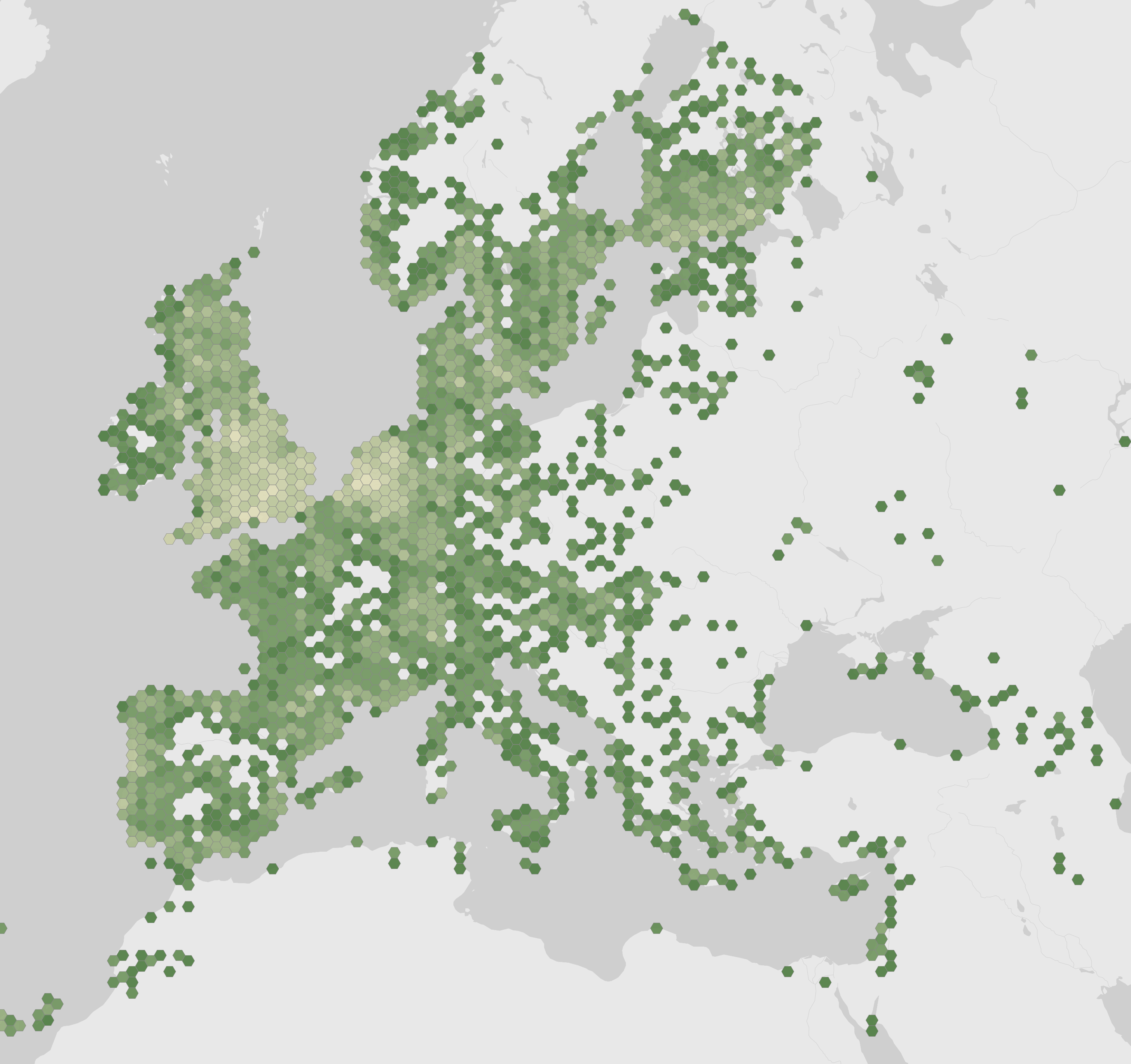
The double-striped pug, Gymnoscelis rufifasciata, is one of the most widespread moths of the Palearctic region, turning up from North Africa and the Near East across much of Europe and beyond.
It belongs to the family Geometridae, the large group of moths known for their slender bodies and broad, flat-lying wings. Within this family it is classed among the pug moths, a group known for their small size and cryptic patterning.
Its sheer commonness and wide distribution make it a familiar sight to moth recorders across its range, appearing in gardens, hedgerows and wild habitats alike.
Identification and Appearance
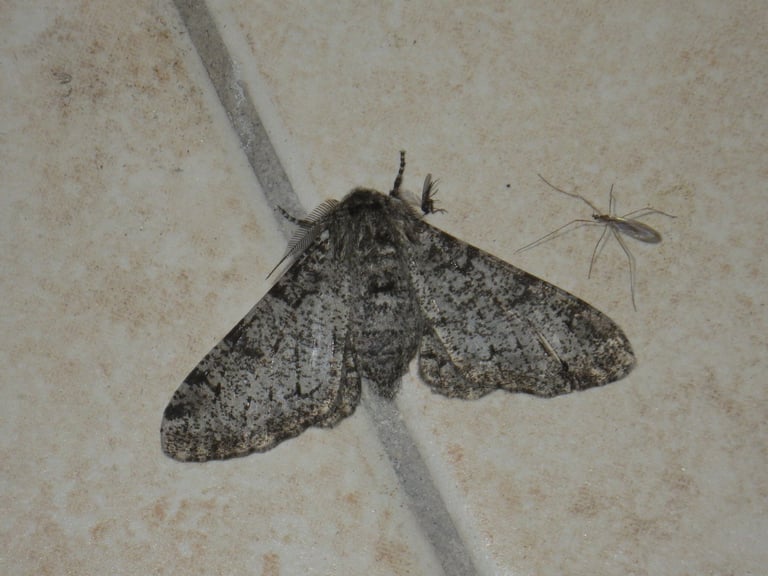
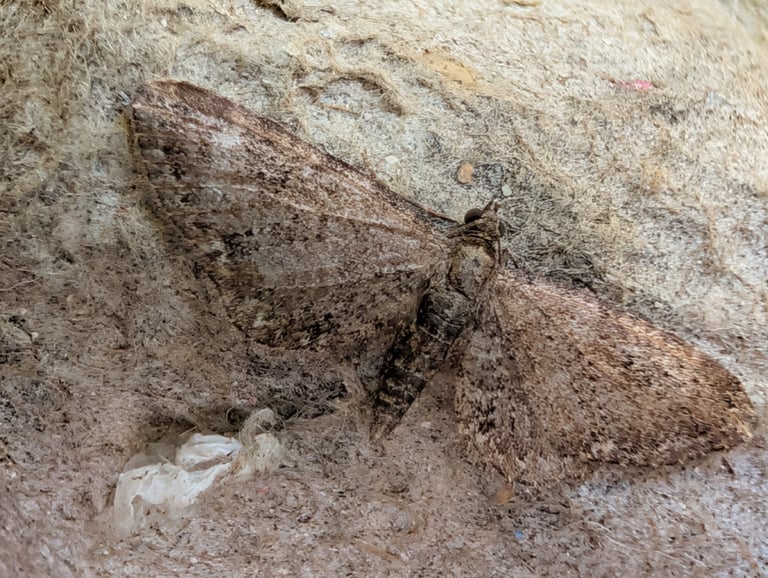
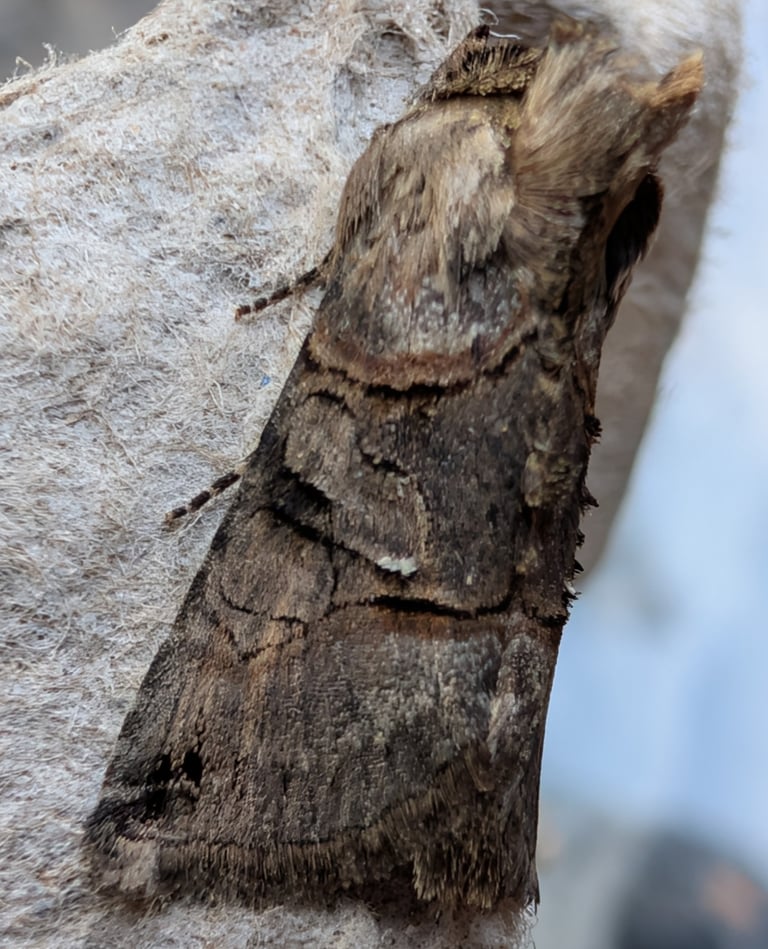
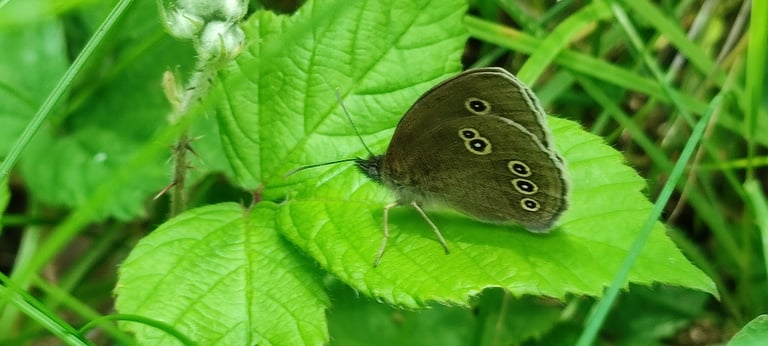
The double-striped pug takes its common name from the two dark, parallel bands that cross its forewings, the clearest mark for recognizing this small moth.
Like other pug moths, it has a compact body and wings that lie flat when at rest, giving it a triangular resting shape typical of the group.
Distribution and Habitat
The double-striped pug occurs throughout the Palearctic region, a range that stretches from North Africa and the Near East across much of Europe.
Observation records collected across the year show a clear seasonal pattern, with numbers rising sharply through spring, peaking in July, and then dropping off through autumn and winter. This pattern reflects when the moth is most often seen on the wing rather than a measure of its actual population size.
Diet and Nutrition
The caterpillars of the double-striped pug feed on a broad range of wild flowering plants rather than specializing on one or two hosts. Recorded plant partners include traveler's joy (Clematis vitalba), hemp agrimony (Eupatorium cannabinum) and wild marjoram (Origanum vulgare), each turning up repeatedly in feeding records.
Other recorded food plants include mugwort, heather, foxglove, elder, broom, eyebright and rowan, pointing to a caterpillar that can exploit whatever suitable flowering or foliage plants are locally available.
This generalist feeding habit likely contributes to the species' wide distribution, since it is not tied to a single host plant across its Palearctic range.
Fun Facts
- The double-striped pug produces several generations in a single year, with the pupa overwintering in the more northern parts of its range.
- One historical collection recorded 27 specimens of this species from the Taddart locality.
- The species was first described in 1809 by Haworth under the name Phalaena rufifasciata, and has also been known under the synonym Eupithecia bucovinata.
Photos
Photographs from via iNaturalist, licensed under CC0 1.0., by Nick Butcher via iNaturalist, licensed under CC BY 4.0., by Eddie via iNaturalist, licensed under CC BY 4.0., by zebedeugalinha via iNaturalist, licensed under CC BY 4.0., and by Daniela Costa via iNaturalist, licensed under CC BY 4.0., credited on each photo.
Ecology and classification
Diet
- Herbivore
Classification
- Phylum
- Arthropoda
- Class
- Insecta
- Order
- Lepidoptera
- Family
- Geometridae
- Genus
- Gymnoscelis
- Species
- Gymnoscelis rufifasciata