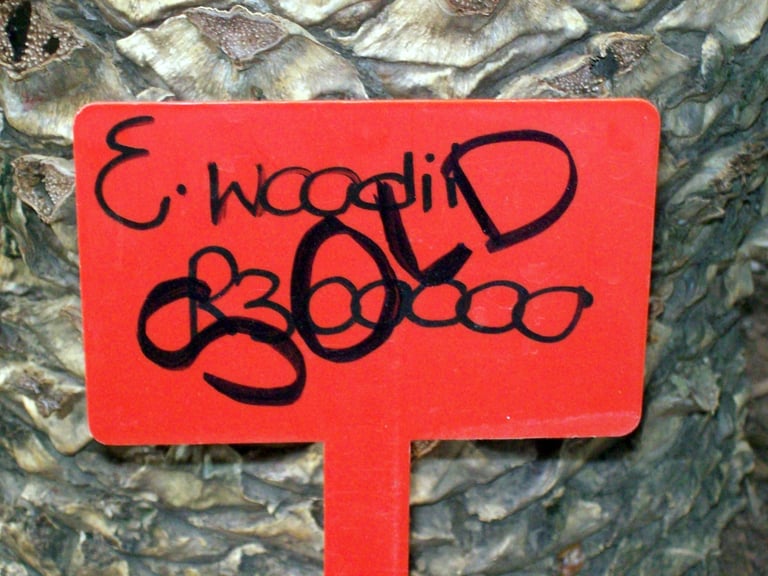
A single potted specimen of Encephalartos altensteinii growing in the Palm House at Kew has stood since 1775, making it thought to be the oldest potted plant in the world.
Known as the breadtree, broodboom, Eastern Cape giant cycad, or uJobane in Zulu, this palm-like cycad belongs to the family Zamiaceae and is endemic to South Africa. It is currently listed as Vulnerable, with habitat destruction, traditional medicine harvesting, and illegal collection all placing pressure on wild populations.
Few plants combine such longevity with such vulnerability. A species that can outlast human generations by centuries is now dependent on active protection to survive in the wild.
Identification and Appearance
The clearest way to recognize Encephalartos altensteinii is by the leaf bases: unlike the similar E. natalensis, this species has no prickles where the leaves meet the trunk. This single detail separates the two where their ranges might otherwise cause confusion.
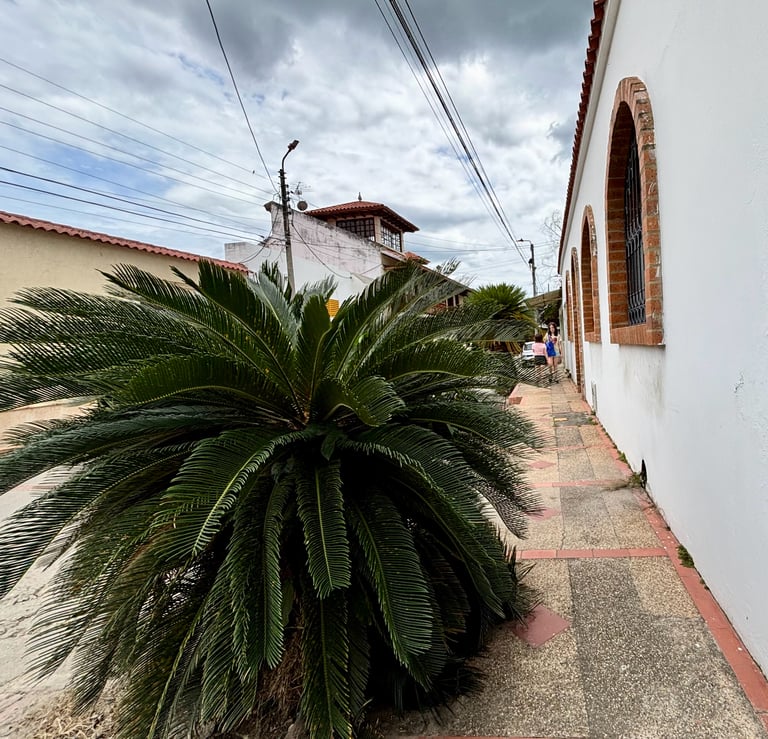
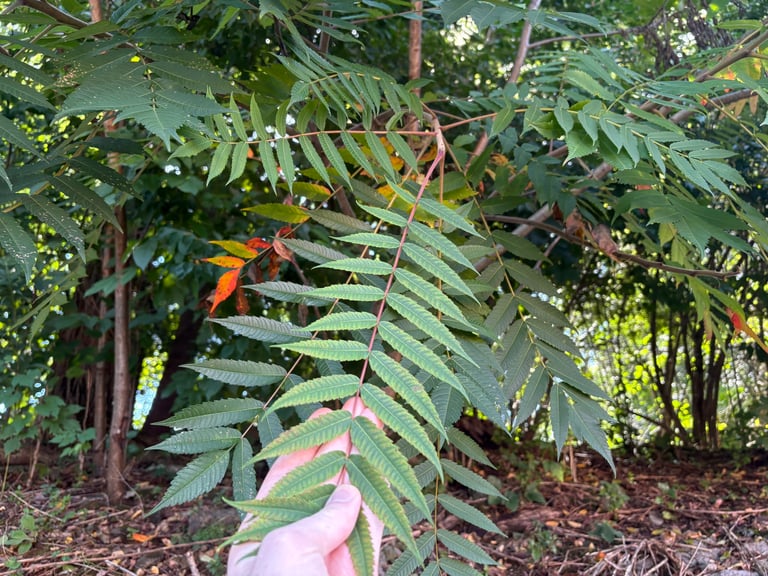
The plant grows into a substantial, palm-like form reaching up to 7 meters tall, with a trunk that may be branched or remain single. Leaves are long and rigid, extending up to 3 meters, and can be straight or curve backward toward the trunk. The leaflets themselves are stiff and relatively broad, with toothed margins on one or both edges.
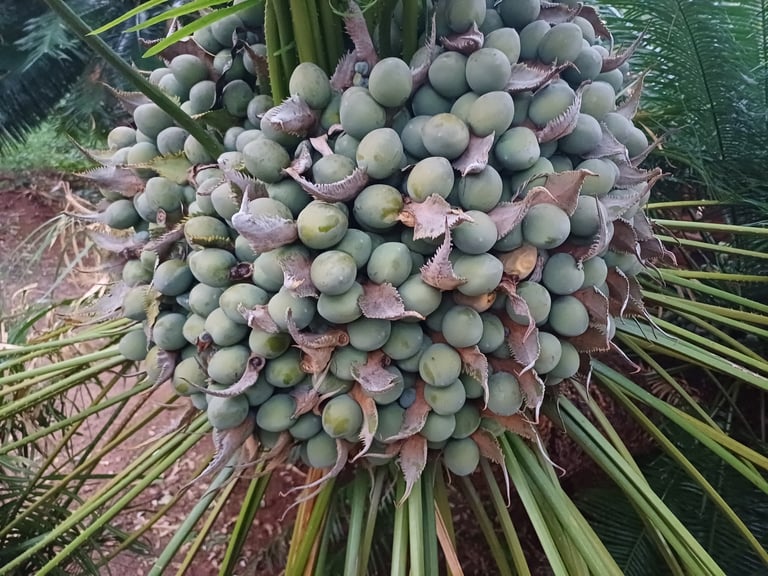
Reproductive cones are a striking feature: each plant typically bears two to five greenish-yellow cones up to 50 centimeters long. The female cones are covered in raised protuberances on their scales, giving them a rough, knobby texture. Inside, the seeds are scarlet red and grow up to 4 centimeters long, standing out sharply against the cone's green-yellow surface.
The cones themselves are poisonous to humans, so despite their eye-catching color, they should never be regarded as a food source.
Distribution and Habitat
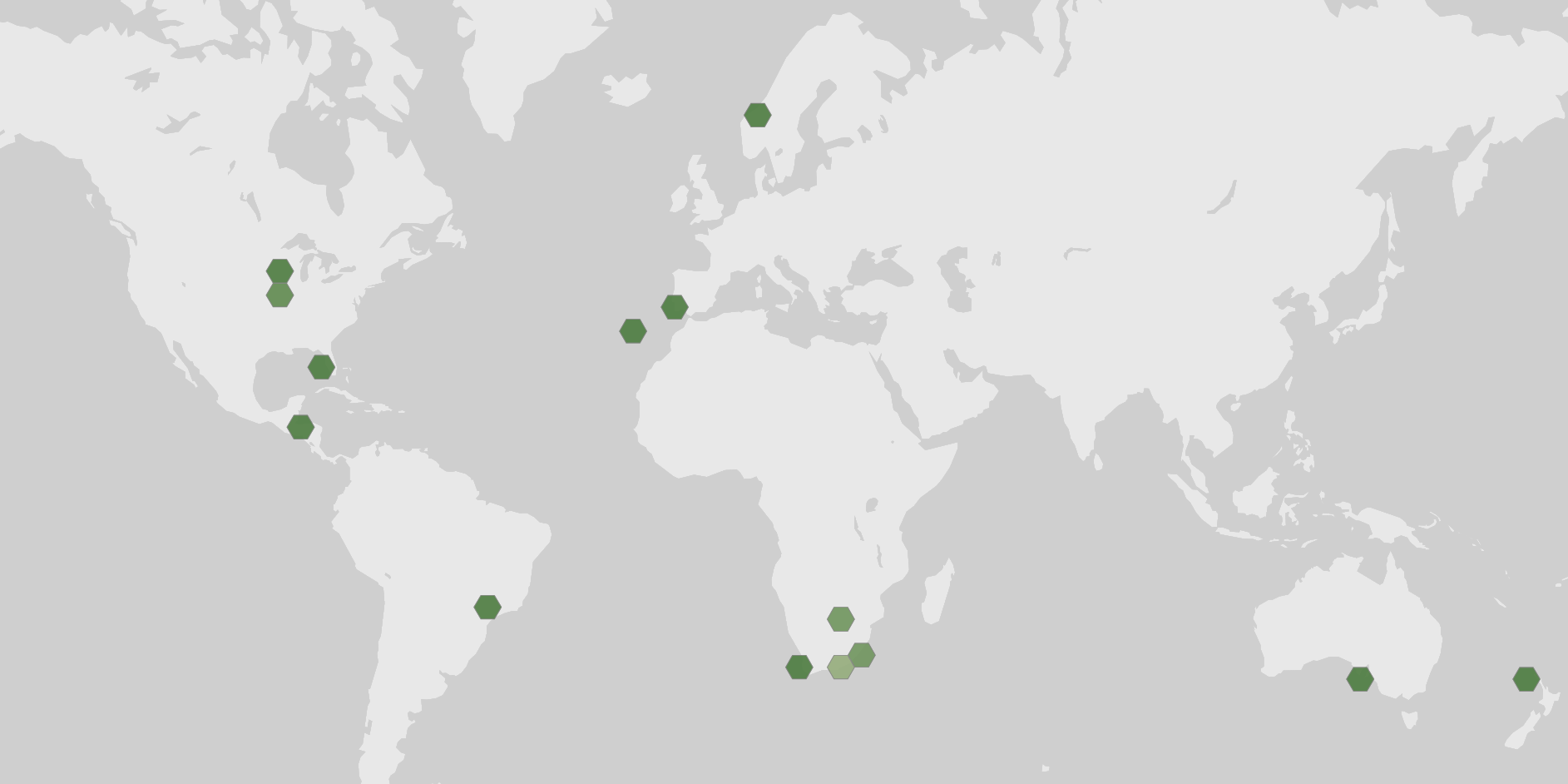
Encephalartos altensteinii is widespread across the Eastern Cape and southwestern KwaZulu-Natal provinces of South Africa, favoring sites close to the coast. It grows in open shrubland on steep, rocky slopes, in closed evergreen forest within valleys, and along river banks, showing tolerance for a range of coastal terrain.
The species also reaches inland, occurring at higher altitude in isolated pockets within the Amatola Mountains. This inland presence suggests the species can persist away from the immediate coastal belt where conditions allow.
Monthly observation counts show activity recorded in every month, with counts ranging from 10 to 36 and no single overwhelming peak, though September shows a notable dip to 10 compared to surrounding months. These figures reflect when observers documented the plant rather than any measure of its actual population size or full native range.
Uses and Human Relationships
Encephalartos altensteinii has long been used in traditional medicine in South Africa, a practice that has contributed to pressure on wild populations alongside habitat destruction and collection by plant enthusiasts. The species' cultural weight is reflected in its several names, including uJobane in Zulu, broodboom in Afrikaans, and the breadtree in English.
The scientific name itself carries a human story: it commemorates Altenstein, a 19th-century German chancellor who served as a patron of science, linking the plant's formal identity to European scientific patronage rather than to its African origins.
Fun Facts
- The species name altensteinii honors Altenstein, a 19th-century German chancellor known as a patron of science, rather than describing any physical trait of the plant.
- It carries several common names across languages and cultures, including breadtree, broodboom, Eastern Cape giant cycad, and uJobane in Zulu.
- Despite its vulnerable status in the wild, individual specimens in cultivation have reached extraordinary ages, with one potted plant at Kew Gardens dating back to 1775.
Conservation status
- LC
- NT
- VU
- EN
- CR
Vulnerable
Ecology
Habitat
- Coastal
- Forest
- Shrubland
- Mountain
Growth habit
- Tree