Few grasses have been known to science as long as Festuca altissima, which was first described in 1789. This flowering plant, known as the wood fescue, belongs to the family Poaceae, the grasses.
It is a member of the order Poales and the class Liliopsida, the monocots, and it grows across a broad temperate belt of the Northern Hemisphere.
As a grass of woods and grassy clearings, it supports a wide set of insect and bird partners, which makes it a useful species for understanding temperate grassland food webs.
Distribution and Habitat
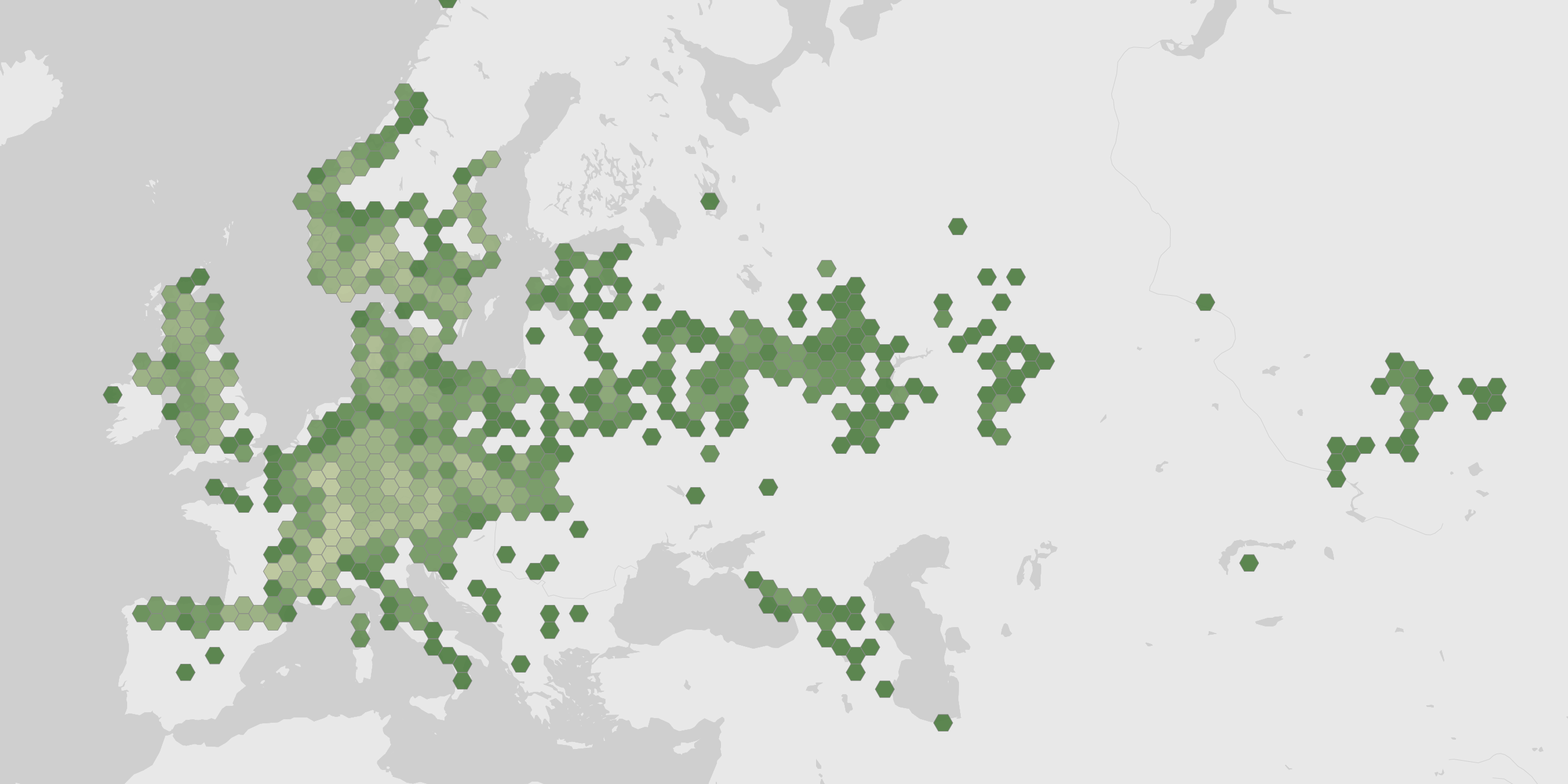
Festuca altissima occurs across a wide temperate region, from Europe east to Siberia and northwest Iran. Its recorded native range includes much of central, eastern and northern Europe, the Balkan Peninsula, Italy, Spain, Great Britain and Ireland, and parts of Russia, Ukraine, Belarus and Kazakhstan.
The species is found in Scandinavia, including Finland, Sweden and Norway, as well as Germany, Poland, Austria and Switzerland. Further east it reaches the Ural region of Siberia, with records from the Altay, Krasnoyarsk and Buryatiya areas.
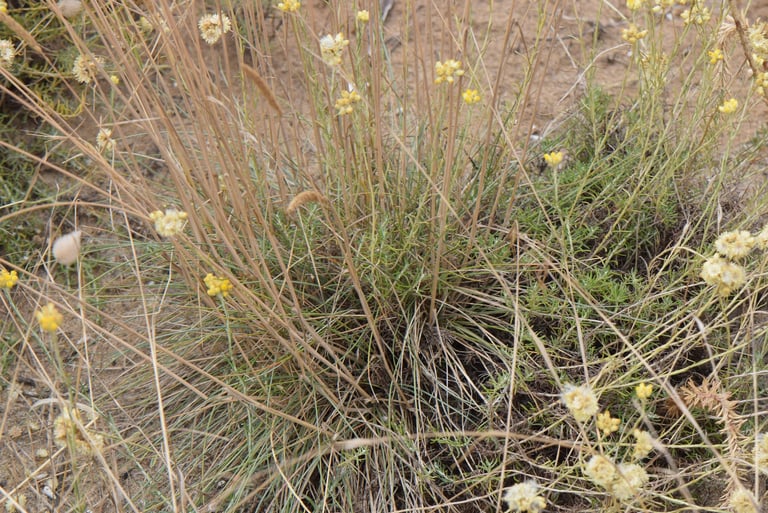
The wood fescue grows in forest and woodland habitats, and it is also found in grassland settings.
Observation records peak from June to August, with the highest monthly count in July, then decline through autumn. This seasonal pattern reflects when the grass is most often seen in flower and growth.
Growth and Form
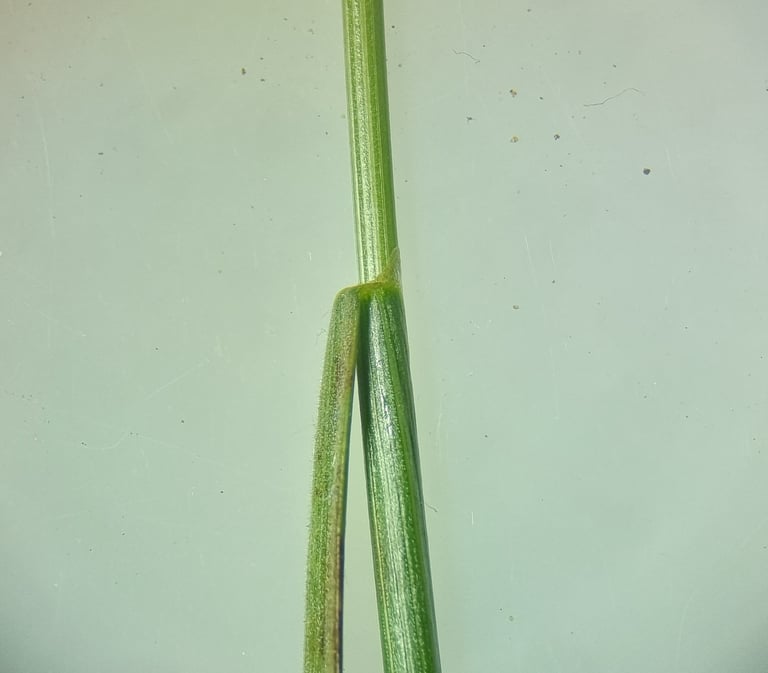
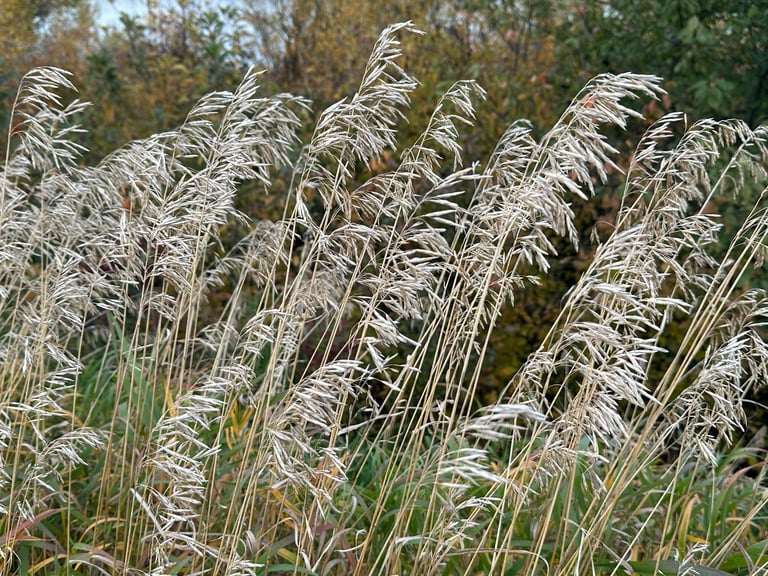
Festuca altissima is a graminoid, a grass-like plant with narrow leaves and slender, upright stems. Its growth habit places it among the tufted grasses of woods and grassy margins.
As a perennial grass of the Poaceae, it forms persistent clumps that return to growth from year to year.
Ecology and Relationships
Festuca altissima supports a large community of grasshoppers. Species such as the meadow grasshopper Chorthippus parallelus, the field grasshopper Chorthippus brunneus and the blue-winged grasshopper Oedipoda caerulescens feed on its foliage, along with several other members of the Acrididae.
Beyond grasshoppers, the grass is eaten by moths and butterflies of the order Lepidoptera, true bugs of the order Hemiptera, and flies of the order Diptera. Passerine birds also feed on it, and smaller groups of pigeons, gamebirds and waterfowl take it as well.
Its role as a food source for insects and birds links it closely to the open woodland and grassland communities where it grows.
Photos
Photographs from by ahabo via iNaturalist, licensed under CC BY 4.0., via iNaturalist, licensed under CC0 1.0., by Илья Руденко via iNaturalist, licensed under CC BY 4.0., by Наталья Пикалова via iNaturalist, licensed under CC BY 4.0., by Stanislav Murashkin via iNaturalist, licensed under CC BY 4.0., by ivansemenkov via iNaturalist, licensed under CC BY 4.0., and by Dmitriy Bochkov via iNaturalist, licensed under CC BY 4.0., credited on each photo.
Ecology and classification
Classification
- Phylum
- Tracheophyta
- Class
- Liliopsida
- Order
- Poales
- Family
- Poaceae
- Genus
- Festuca
- Species
- Festuca altissima
Sources
- GBIF Species names and classification
- iNaturalist Photos
- Wikidata Common names and conservation status
- Wikipedia Summary extract
- Plants of the World Online Native range, life form and climate (WCVP)
- USDA Plants US plants: growth habit and growing conditions
- GloBI What it eats, what eats it, parasites and pollinators
- trophiCH