The woodland strawberry answers to more names than almost any other wild plant of the Northern Hemisphere: wild strawberry, Alpine strawberry, Carpathian strawberry, European strawberry, and simply woods strawberry. That pile of common names reflects how familiar this small, low-growing perennial has been to people across an enormous natural range.
Fragaria vesca is a perennial herbaceous plant in the rose family (Rosaceae), order Rosales. It grows naturally throughout much of the Northern Hemisphere and produces small, edible fruit.
Its wide range and long history alongside people, who have gathered its fruit since prehistoric times, make it one of the more quietly persistent wild plants of temperate landscapes.
Identification and Appearance
The clearest field mark is the leaf: three toothed, light-green leaflets on a single stalk, unmistakable once compared with lookalike five-leaflet plants such as some cinquefoils. Five to eleven small white flowers, each with five petals, sit atop a soft, fresh-hairy green stalk 3 to 15 centimeters tall that usually lifts them above the foliage.
The plant spreads mainly by runners, or stolons, creeping along the ground to form new plantlets, though its seeds also remain viable and can start new populations at a distance.
The fruit itself is short-lived and seed-rich. It clings to the plant for an average of just 1.2 days, and each berry holds around 46.8 seeds on its surface.
Ripe fruit is roughly 84 percent water; of the dry matter, about 21 percent is carbohydrate and 5.5 percent is lipid, a notably high fat content compared with most other fleshy European fruits.
Distribution and Habitat
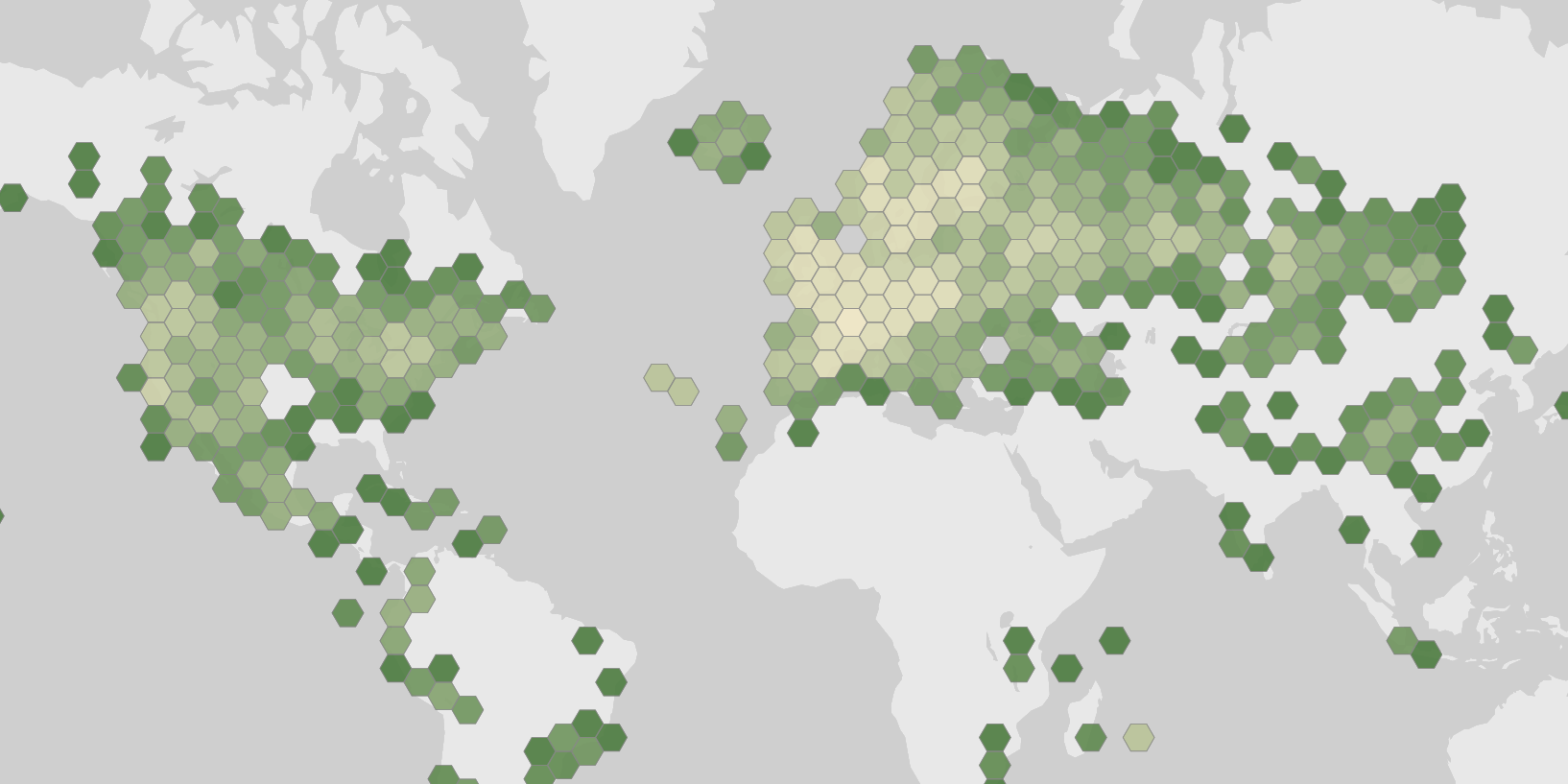
Woodland strawberry occurs across much of the Northern Hemisphere, from forests and mountain slopes to open meadows, and in China it is recorded in Gansu, Guizhou, Jilin, Shaanxi, Sichuan, Xinjiang and Yunnan. In North America it turns up in forest and woodland habitats through the eastern United States and Canada, in more open old fields, meadows and grasslands farther north, and in woodland and riparian corridors of the northern Great Plains.
In western North America the species favors forest openings, roadsides and recently disturbed or early-successional woodland, along with meadows, open slopes and forest margins. Elevation records there span a wide range, from about 30 meters in coastal California up to roughly 3,800 meters near Crested Butte, Colorado, with many populations concentrated in the mesic middle to upper elevations of mountain ranges from Arizona to Washington.
The plant tolerates a broad range of moisture conditions but avoids extremes of wet or dry ground, and its regional habitat preference shifts with climate: it favors warmer, drier forest in some areas and cooler, moister sites elsewhere.
Monthly observation counts peak sharply in June, with high numbers from April through August and a clear low in winter. This pattern most likely reflects the plant's visible flowering and fruiting period and the timing of field surveys rather than any true measure of its abundance or complete range.
Ecology and Relationships
Woodland strawberry favors disturbed and semi-open ground: trail edges, roadsides, embankments, gravel paths, meadows, young woodlands, sparse forest and clearings. Light availability shapes where it can fruit; in the southern parts of its range it often needs shade, while farther north it tolerates and even prefers more open sun. Plants growing in insufficient light may persist as foliage without producing fruit at all.
The species survives mild fires and can reestablish afterward, aided by seeds that lie dormant in the soil seed bank and germinate readily once the ground is disturbed, allowing colonization away from existing patches.
Its leaves are an important food source for ungulates such as mule deer and elk, while the fruit feeds a range of mammals and birds that in turn disperse its seeds through their droppings. The plant also serves as a larval host for the two-banded checkered skipper butterfly.
Uses and Human Relationships
People have eaten woodland strawberry fruit since the Stone Age, and archaeological evidence supports its use as a food source long before cultivation of the modern garden strawberry began. The fruit is strongly flavored and is still gathered and grown on a small scale for gourmet use and as an ingredient in jam, sauces, liqueurs, cosmetics and alternative medicine; in Turkey, hundreds of tons of wild fruit are harvested annually, mainly for export.
Cultivated forms with a long flowering period are grown as alpine strawberries, producing smaller crowns or clusters that fruit over an extended season with larger berries than the wild type; some cultivars bear white or yellow fruit instead of red. Runner-forming cultivars are used as groundcover, while non-runnering types serve as border or edging plants, and some are grown purely for ornamental value, including a hybrid, Fragaria × vescana, crossed with the garden strawberry.
Extracts of the plant appear in traditional and modern herbal use, though claims made for them vary in reliability. One persistent myth holds that wild strawberries cure cancer; while a compound in the fruit, ellagic acid, shows anti-mutagenic activity in cell cultures, there is no conclusive clinical evidence that the plant prevents or treats cancer in people.
Fun Facts
- The genus name Fragaria comes from the Latin word for strawberry, while fragum is Latin for fruit; the species epithet vesca means small or thin.
- Since the early 17th century, the commercially cultivated garden strawberry has largely replaced the woodland strawberry in food production, even though the wild species was eaten for thousands of years before that.
- Historical accounts of wild strawberry use by Indigenous peoples of the Pacific Northwest are generally understood to refer to Fragaria vesca.
- Researchers still debate how to standardize chemical extract profiles of the plant, calling for unified analytical fingerprinting to make studies of its compounds more consistent.
Ecology
Habitat
- Forest
- Woodland
- Mountain
- Grassland
Growth habit
- Herb