In Hungarian legend, a star gentian once ended a deadly pestilence. King Ladislaus shot an arrow into the air at random, and it struck this plant, which then cured the illness, so the plant became known as Saint Ladislaus's herb.
Gentiana cruciata, the star gentian or cross gentian, is a herbaceous perennial flowering plant in the Gentianaceae family. It returns from its roots each year rather than dying back after one season.
Its mix of folklore and a striking blue flower makes it a good plant to read about for anyone interested in European wild plants.
Identification and Appearance
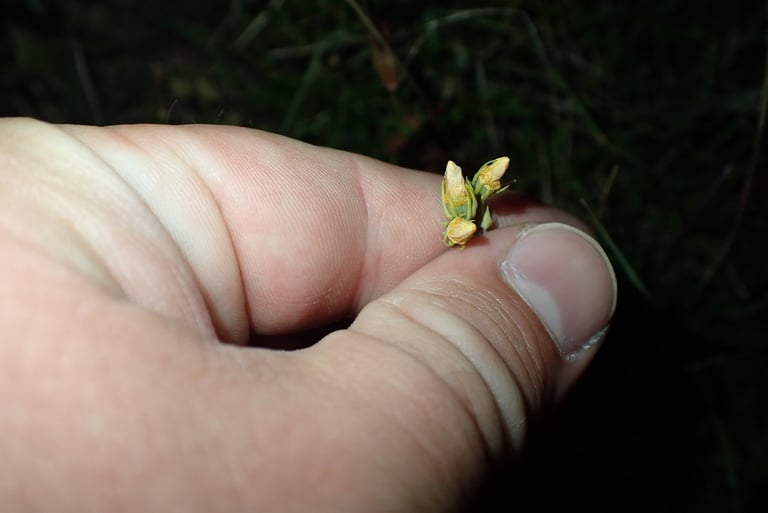
The most useful field mark is the flower: violet-blue trumpets with four petals, grouped in the axils of the upper leaves. The flowers open from June to August.
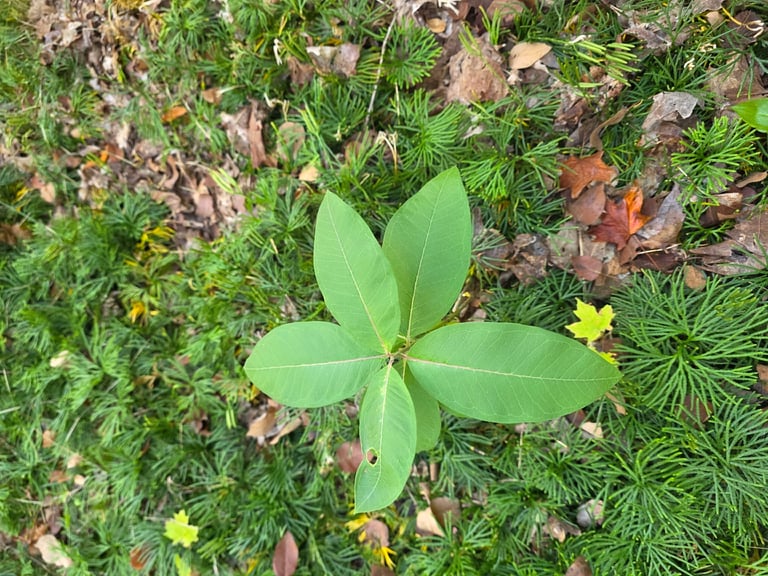
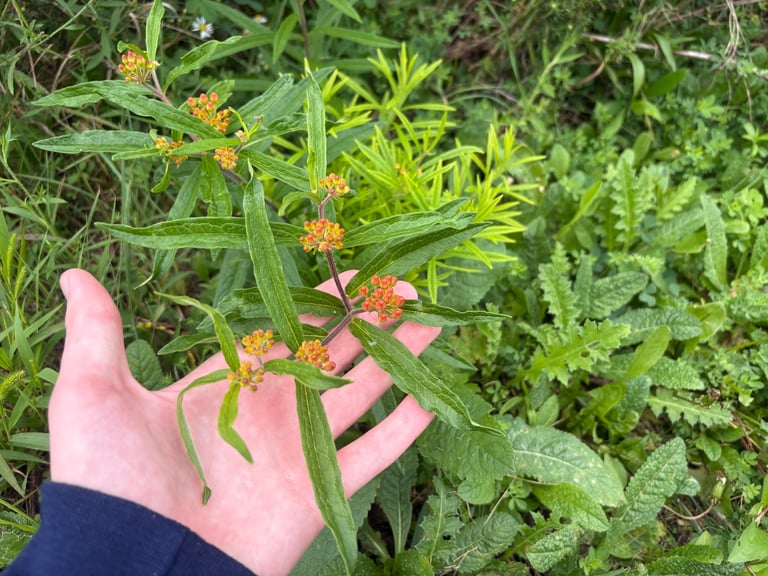
The plant is small, usually reaching 20 to 40 centimeters (7.9 to 15.7 inches) in height. Its stems are erect, and the leaves are large for the plant, ovate-lanceolate and semiamplexicaul, about 3 to 8 centimeters (1.2 to 3.1 inches) long.
Each flower is hermaphrodite, carrying both male and female parts, and insects pollinate it.
Distribution and Habitat
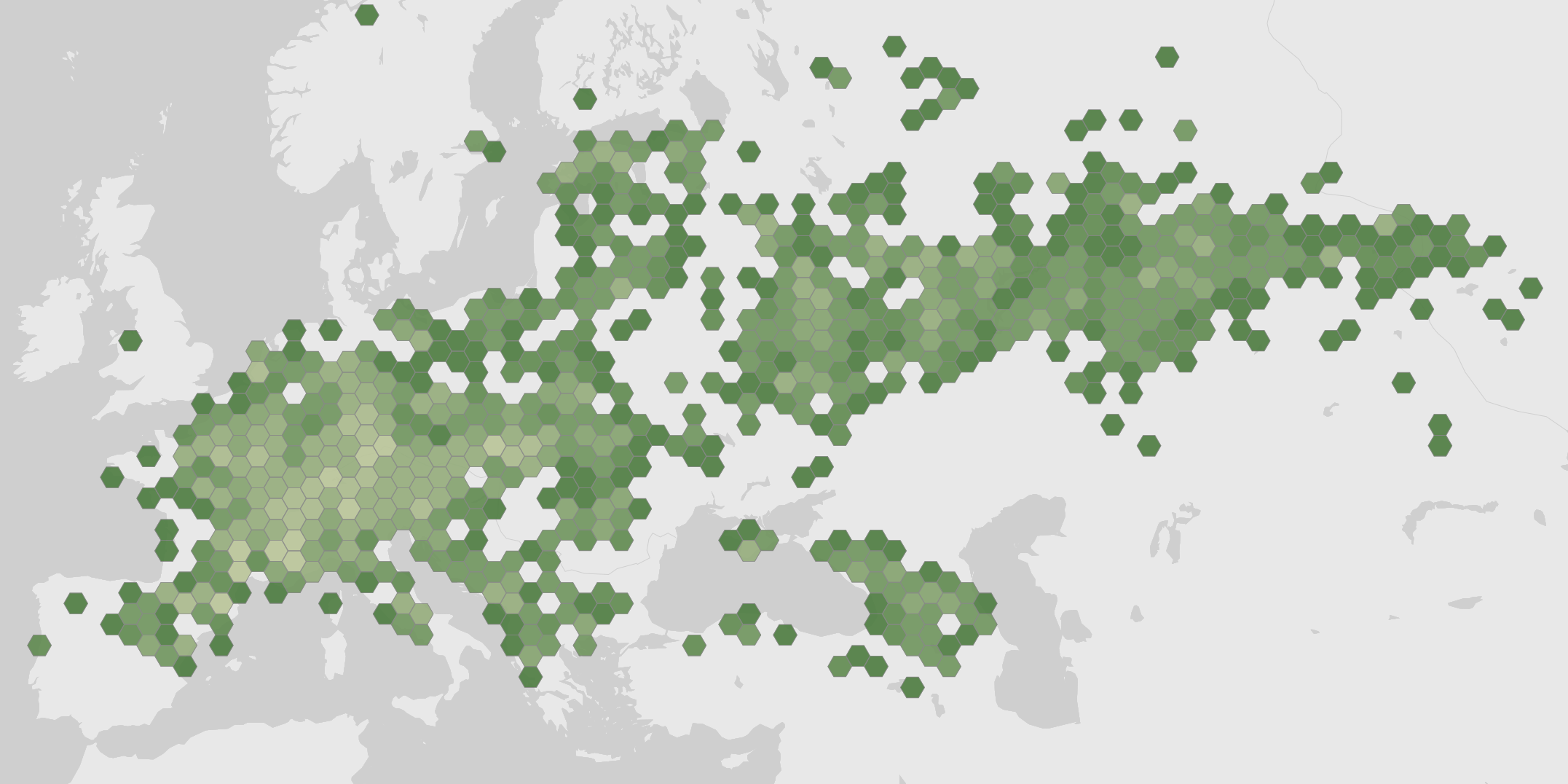
Star gentian is widespread in most of Europe, except Portugal, Great Britain and Scandinavia, and it extends across Western Asia. Its native range runs from Europe east to West Siberia and into northwestern and northern Iran, and it has also been introduced to Massachusetts.
The plant prefers dry calcareous soil. It grows in forest edges, bushy slopes, pastures, grasslands and dry meadows, from about 200 to 1,600 meters (660 to 5,250 feet) above sea level.
Presence is most often noted in June and July, the months when the flowers are open.
Growth and Form
Star gentian is a perennial herb with erect stems. It is a hemicryptophyte, which means it keeps its resting buds at ground level through the cold season.
Mature plants stand about 20 to 40 centimeters tall. Their leaves are large for the plant's size, about 3 to 8 centimeters long, and they clasp the stem at their base.
Ecology and Relationships
Insects are the main visitors to the flowers. Bumblebees, including Bombus humilis, Bombus pascuorum and Bombus hortorum, are the most frequent, and hymenopterans as a group visit most often. Flies and other lepidopterans visit less often.
Birds feed on the plant in large numbers. Finches, larks, partridges, ducks, geese and pigeons all eat it, with passerine songbirds the most common group. Caterpillars of moths and butterflies also feed on its tissues, and the meadow brown butterfly Melanargia galathea is among the regular visitors.
The plant grows in dry, open, calcareous places where these insects and birds are also found.
Uses and Human Relationships
In Hungary, the plant is tied to a legend about King Ladislaus. During his reign a pestilence spread through the kingdom, and the king prayed for a cure. He then shot an arrow into the air, and it struck a star gentian, which cured the illness. The plant became known as Saint Ladislaus's herb.
The legend shows the plant's standing in Hungarian folk tradition. It is remembered as a healing plant in the story, and its name still carries the king's name.
Photos
Photographs from via iNaturalist, licensed under CC0 1.0., by Анна Митрошенкова via iNaturalist, licensed under CC BY 4.0., by Tatyana Davidova via iNaturalist, licensed under CC BY 4.0., by Karolina Skorb via iNaturalist, licensed under CC BY 4.0., and by Полина Полежанкина via iNaturalist, licensed under CC BY 4.0., credited on each photo.
Ecology and classification
Classification
- Phylum
- Tracheophyta
- Class
- Magnoliopsida
- Order
- Gentianales
- Family
- Gentianaceae
- Genus
- Gentiana
- Species
- Gentiana cruciata
Sources
- GBIF Species names and classification
- iNaturalist Photos
- Wikidata Common names and conservation status
- Wikipedia Summary extract
- Plants of the World Online Native range, life form and climate (WCVP)
- USDA Plants US plants: growth habit and growing conditions
- GloBI What it eats, what eats it, parasites and pollinators
- trophiCH
- DoPI
- EuPPollNet