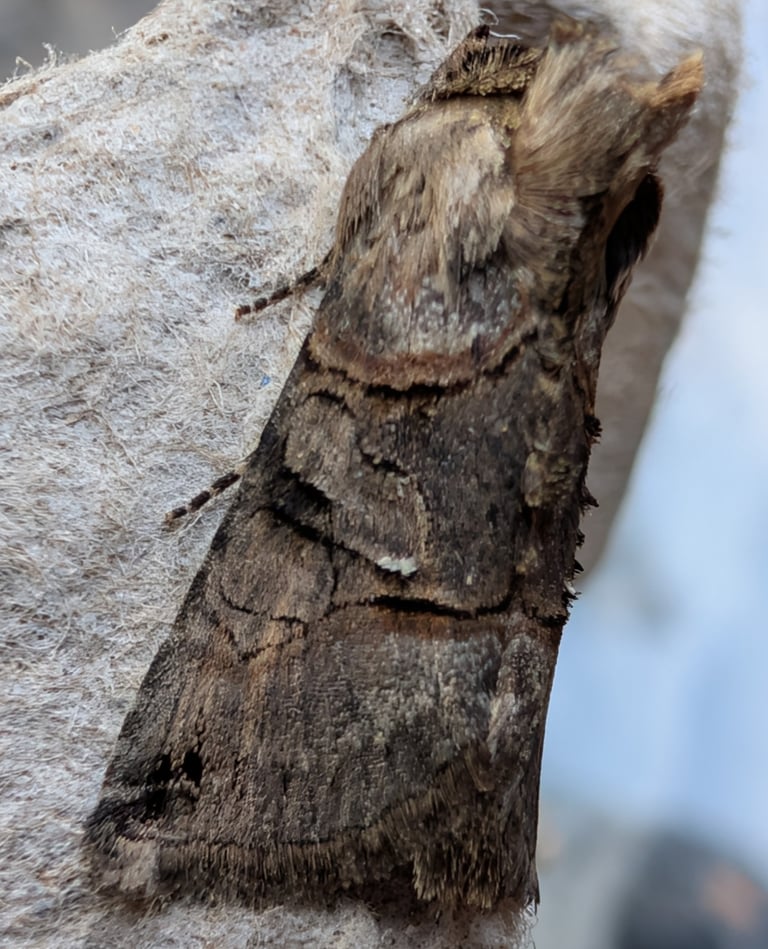
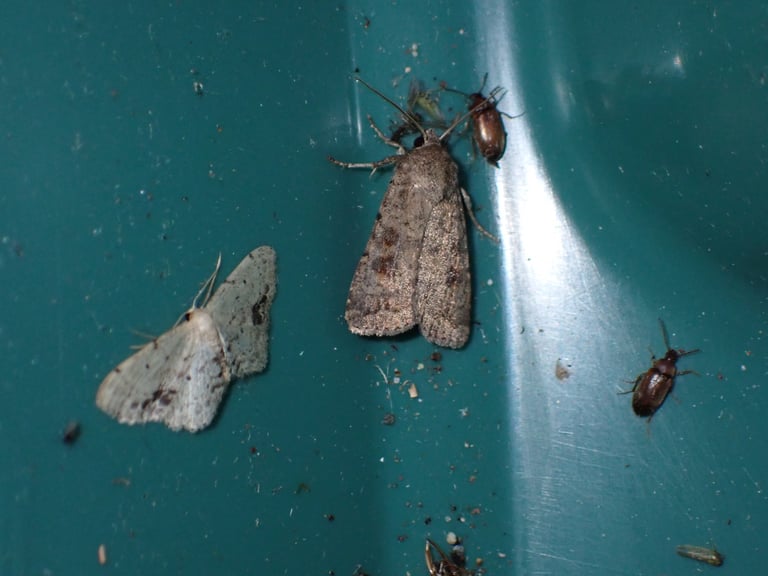
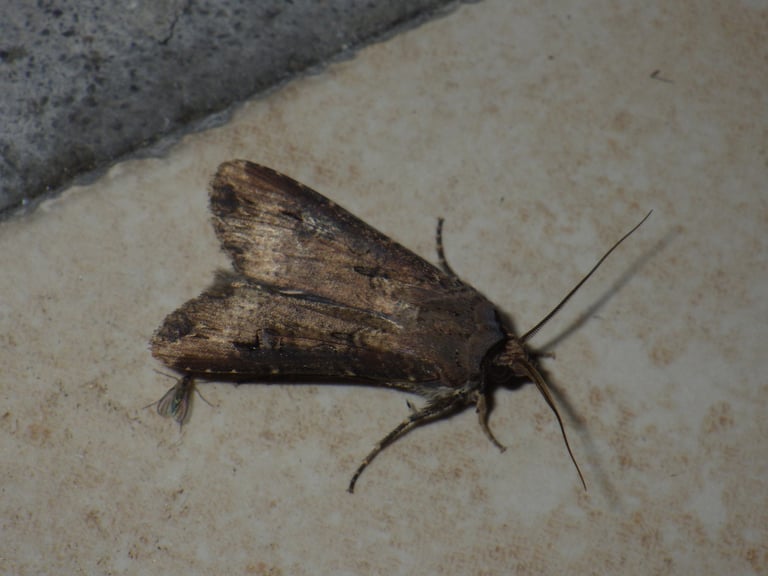
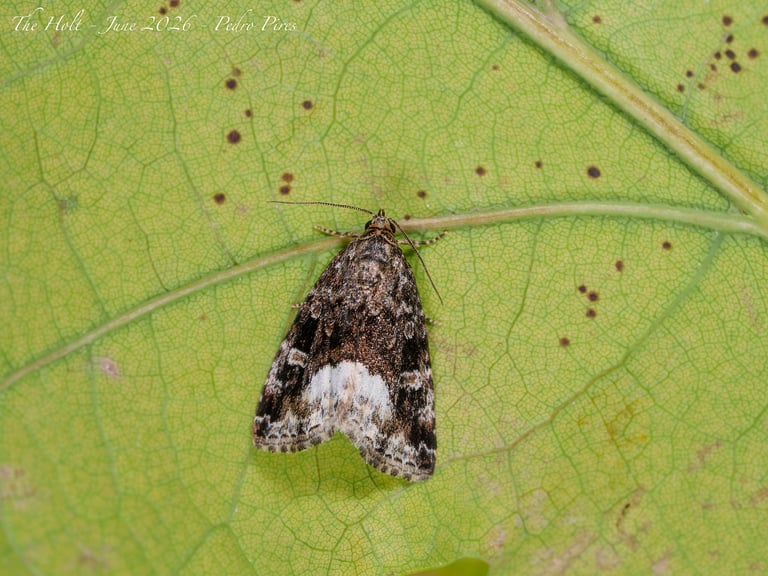
The name uncertain is the key to this moth. Hoplodrina octogenaria is so similar to Hoplodrina blanda and Hoplodrina ambigua that it is easily confused with them.
It is a moth of the family Noctuidae, in the order Lepidoptera, and it is found in the Palearctic realm. Its close relatives make it a useful case study in how hard some noctuid moths are to tell apart.
Identification and Appearance
The most useful field mark is the pattern on the forewings. The reniform and orbicular spots are darker than the ground color and outlined in white, and the median line is usually wide and darker than the ground.
The ground color is rich brown or tawny brown. Females are darker than males.
The wingspan is 28–34 mm. Similar species include Hoplodrina blanda and Hoplodrina ambigua, so a reliable identification of this moth requires dissection of the genitalia.
Distribution and Habitat
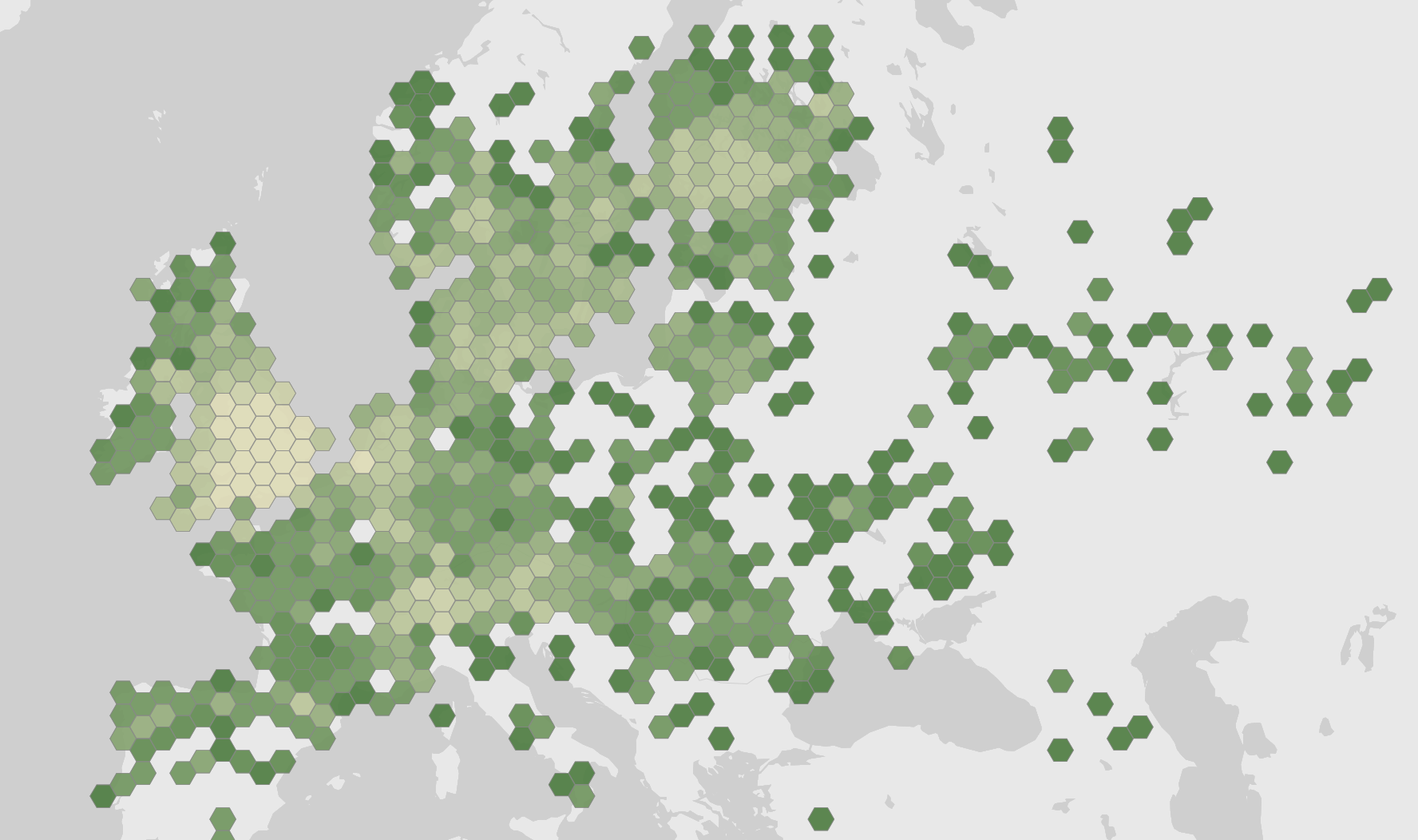
Hoplodrina octogenaria is found in the Palearctic realm. Its observations peak in June and July, with far fewer records in the other months, and the sharpest rise comes in May.
These records show when people most often find the moth, not how many there are. The seasonal pattern is therefore best read as a sign of when adults are most active and visible.
Diet and Nutrition
Hoplodrina octogenaria feeds on plants. Its main food plants include several docks in the genus Rumex, such as sheep sorrel (Rumex acetosella) and alpine dock (Rumex alpinus), along with wild thyme relatives like oregano (Origanum vulgare) and lady's bedstraw (Galium mollugo).
The food plants span several orders of flowering plants. The dock and buckwheat relatives of Caryophyllales and Polygonales are among the most important, followed by plants in Lamiales, Gentianales and Plantaginales.
The list also includes garden plants such as common bean (Phaseolus vulgaris) and buddleia (Buddleja davidii), and the oxlip (Primula elatior).
Population and Ecological Role
Bats are the best-established predators of Hoplodrina octogenaria. Common species such as the serotine (Eptesicus serotinus), the noctule (Nyctalus noctula) and the brown long-eared bat (Plecotus auritus) take it, along with the greater horseshoe bat (Rhinolophus ferrumequinum).
Bush-crickets in the order Orthoptera are another main group of predators, including the white-legged bush-cricket (Decticus albifrons) and the wart-biter (Decticus verrucivorus). Spiders in the order Araneae also take the moth, though less often.
The cattle egret (Bubulcus ibis) is an occasional predator and is not a usual one.
Photos
Photographs from via iNaturalist, licensed under CC0 1.0., by CaracalShan via iNaturalist, licensed under CC BY 4.0., by Claude Kolwelter via iNaturalist, licensed under CC BY 4.0., by ciaranrowett via iNaturalist, licensed under CC BY 4.0., and by Bóna Katalin via iNaturalist, licensed under CC BY 4.0., credited on each photo.
Ecology and classification
Diet
- Herbivore
Classification
- Phylum
- Arthropoda
- Class
- Insecta
- Order
- Lepidoptera
- Family
- Noctuidae
- Genus
- Hoplodrina
- Species
- Hoplodrina octogenaria
Sources
- GBIF Species names and classification
- iNaturalist Photos
- Wikidata Common names and conservation status
- Wikipedia Summary extract
- GloBI What it eats, what eats it, parasites and pollinators
- trophiCH
- DoPI
- EuPPollNet