Ichneumon xanthorius, also known as the yellow-striped Darwin wasp, feeds on nectar from plants in the parsley family as an adult, while its young live as parasites inside the larvae of moths and butterflies.
This species belongs to the insect order Hymenoptera and the family Ichneumonidae. It is found throughout Europe. It was first described by the German entomologist Georg Forster in 1771, in his work Novæ species insectorum Centuria I.
Identification and Appearance
Ichneumon xanthorius is a species of ichneumon wasp belonging to the large family Ichneumonidae, a group of parasitoid wasps known for their slender bodies, elongated antennae, and, in many species, a prominent ovipositor used for laying eggs inside host insects.
As with many members of this genus, identification to species level typically relies on fine details of body coloration, wing venation, and structural features examined closely rather than on traits visible at a glance in the field.
Distribution and Habitat
Ichneumon xanthorius occurs across Europe. Observation records collected throughout the year show a sharp rise in sightings moving into early and midsummer, with counts climbing through the spring months and peaking around June and July before tapering off sharply by late summer and into autumn. This pattern suggests the adult wasps are most active and visible during the warmer months, likely coinciding with the flowering of parsley-family plants that provide them with nectar, though these figures reflect presence observations rather than a measure of overall population or the species' complete range.

Cultural Significance
The name Ichneumon draws on a creature of Greek and Roman mythology and later medieval legend, an animal resembling a slender mongoose or weasel. According to this folklore, the mythical ichneumon coated itself in mud before crawling into the mouth of a crocodile to devour it from within. Though normally calm, the legendary creature was said to attack with teeth and claws when threatened, and it was credited with the ability to hide among mongooses and resist the touch, breath, and gaze of the basilisk, though its other powers remained unknown to those who recorded the tales.
Fun Facts
- The mythical ichneumon of medieval literature was said to be the sworn enemy of the dragon, coating itself in mud and sealing its nostrils with its tail before attacking.
- Beyond dragons, legend held that the ichneumon also fought crocodiles and the deadly asp, making it a recurring figure in bestiaries and art.
- The mythical creature was thought to symbolize the triumph of agility and cunning over brute strength, an underdog able to overcome far larger foes.
Photos
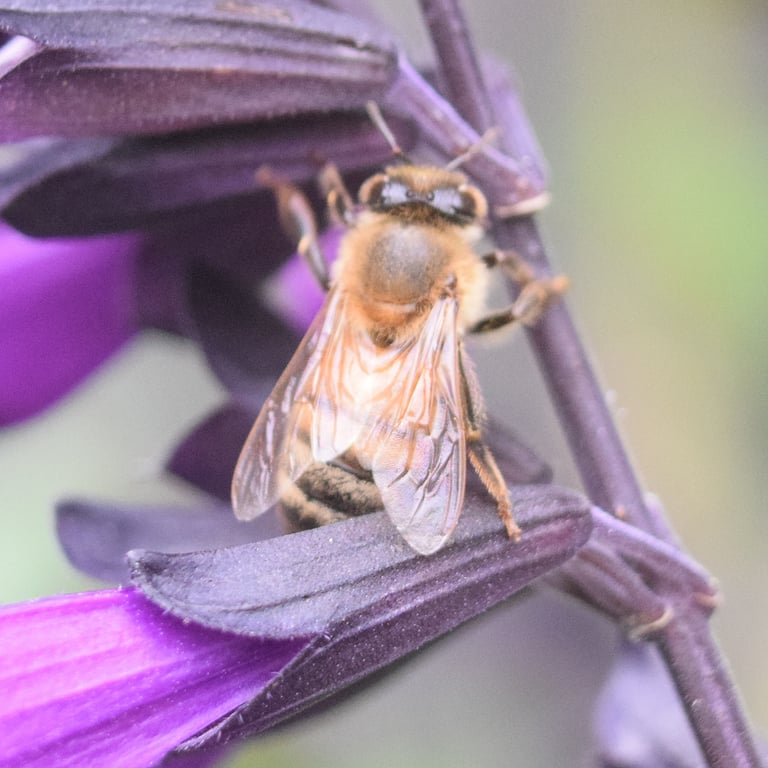
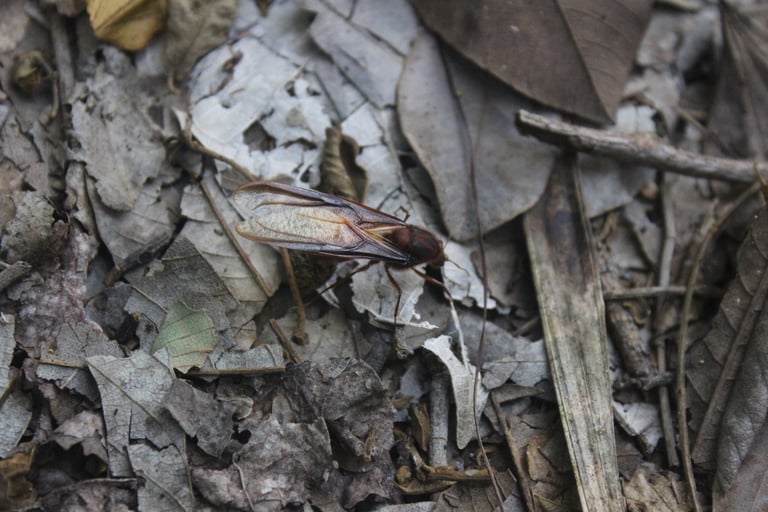
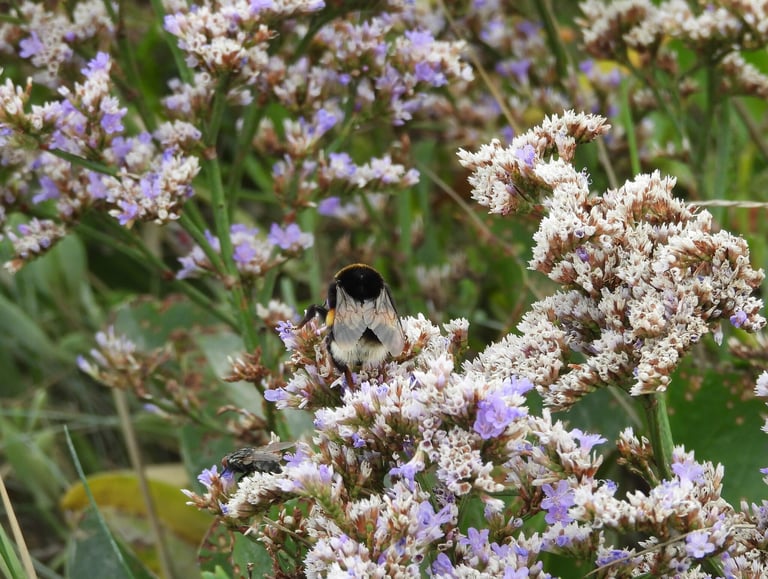
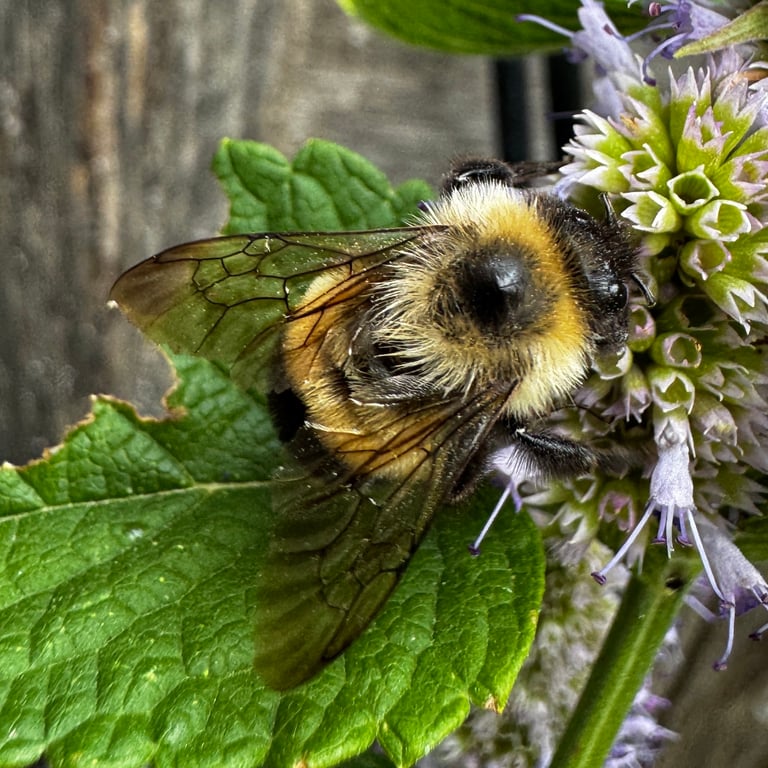
Photographs from via iNaturalist, licensed under CC0 1.0., by Michael Knapp via iNaturalist, licensed under CC BY 4.0., by Emil Jantke via iNaturalist, licensed under CC BY 4.0., by Kathryn J. Fegan via iNaturalist, licensed under CC BY 4.0., by Eddie via iNaturalist, licensed under CC BY 4.0., by Guillaume Petit via iNaturalist, licensed under CC BY 4.0., by Emilia Trafalgar via iNaturalist, licensed under CC BY 4.0., by Diego Rodríguez Hernández via iNaturalist, licensed under CC BY 4.0., and by Feo Marshmallow via iNaturalist, licensed under CC BY 4.0., credited on each photo.
Ecology and classification
Classification
- Phylum
- Arthropoda
- Class
- Insecta
- Order
- Hymenoptera
- Family
- Ichneumonidae
- Genus
- Ichneumon
- Species
- Ichneumon xanthorius