Few birds feed as efficiently on the wing as the lesser nighthawk. Its mouth is very large and well adapted for snapping up insects in midair.
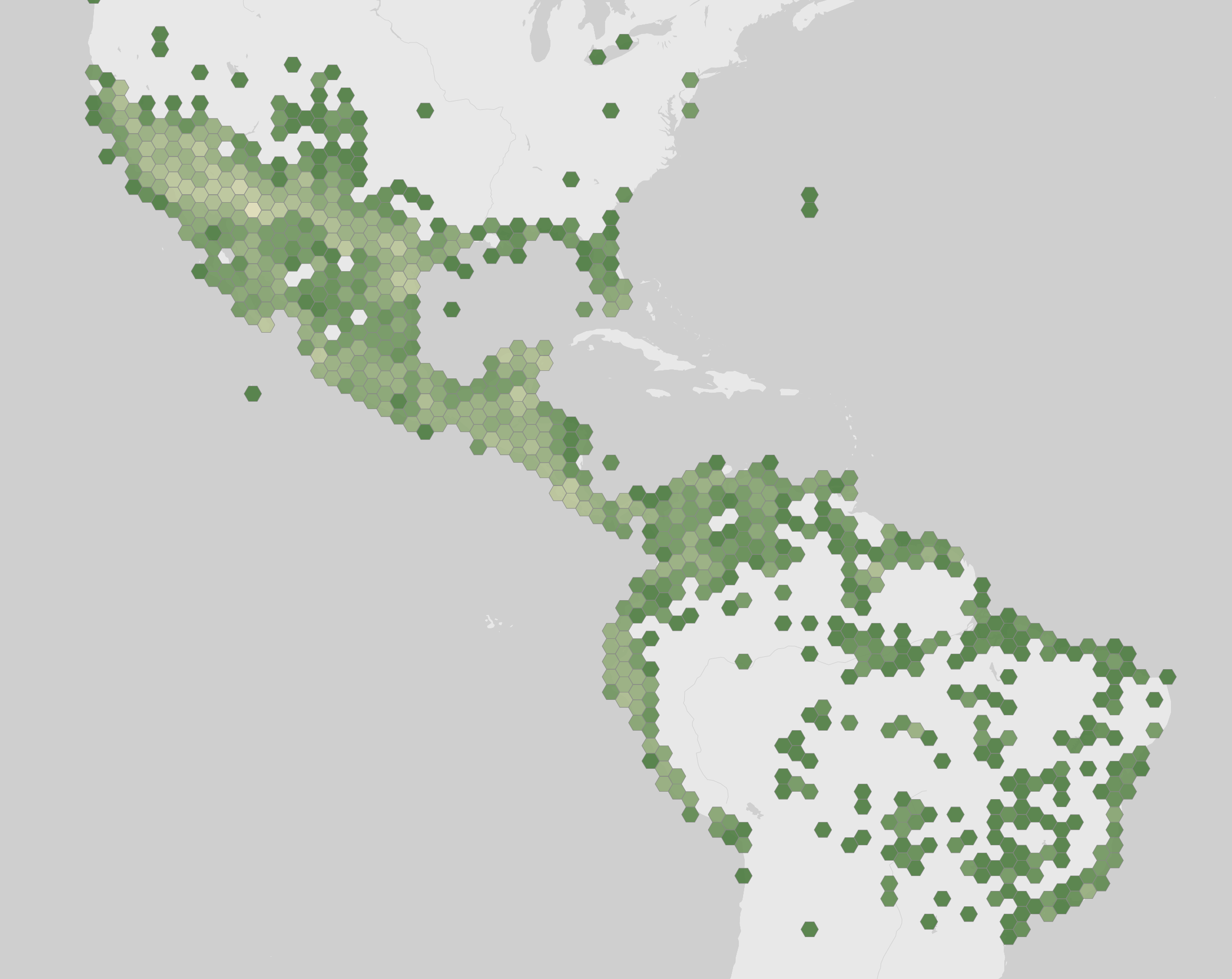
The lesser nighthawk is a nightjar found across a large part of the Americas, with a range of about 10,600,000 km². It belongs to the family Caprimulgidae and is rated Least Concern by the IUCN.
It looks much like the common nighthawk but is slightly smaller, with a less deeply forked tail and a buffier coloration.
Identification and Appearance
The most useful field mark is the bird's large mouth paired with small feet, which together give it a wide, gaping profile in flight. Its brown and gray plumage blends closely with the ground, so it is hard to spot during the day while it rests.
The lesser nighthawk is long-winged and long-tailed and weighs about 48.4 g. Its beak is short and curved, even though its mouth is large.
Males and females differ in small details. Males show a prominent white bar near the tip of the tail and on the wing tips. Females have a creamy bar on the wing tips and lack the tail stripe. Both sexes carry a white v-shaped mark on the neck.
Compared with the common nighthawk, the lesser nighthawk is slightly smaller, has a less deeply forked tail and is more buffy in color.
Distribution and Habitat
The lesser nighthawk is native to southern North America. It occupies arid, dry deserts and grasslands, and it favors open, drier habitats at lower elevations than its relative, the common nighthawk.
It prefers large, open areas with relatively level topography and naturally open land. It avoids disturbed open lands with weeds. Its nesting sites are typically on vernal pool soils in open country with little human or pet disturbance.
The bird chooses habitats with large swarms of insects, because insects are its main food. Shrubland also appears among its habitats.
It is partially migratory. It leaves in the fall and winters around southern Central America and northern South America, then returns to the southern United States in spring and summer to breed. Its sightings are most frequent in late spring, peaking in May.
Behavior and Lifestyle
The lesser nighthawk is nocturnal. It spends the night ranging far on foraging flights and for social interaction.
Seclusion matters a great deal to a nesting pair. When an intruder comes within a few meters of the nest, the adult flushes from the ground. It then performs a low, circling flight with exaggerated wingbeats, which draws attention away from the eggs.
Nesting begins in May or June, later than most lowland species. Males attract females with a series of calls.
Communication
The lesser nighthawk is much quieter than its close relative, the common nighthawk. It usually keeps a subdued demeanor, so its distinctive whines and trills are rarely heard away from the breeding grounds.
Its toadlike trills can run in sequences lasting 7 to 13 seconds and can extend beyond 3 minutes. To the ear, the calls sound like a low, gurgled laugh.
During courtship, the male sings a trilling call while circling the female with his throat puffed out.
Recordings
song · Venezuela · Rosa Elena Albornoz · Public domain
song · Venezuela · Rosa Elena Albornoz · Public domain
Diet and Nutrition
The lesser nighthawk feeds on small flying insects. Its prey includes winged ants, mosquitoes, beetles, moths and grasshoppers.
It catches these insects while flying high in the air. It also works the areas near trees and brush along springs and streams, where insects gather.
Because insects are its main food, the bird favors places where they are abundant. Its large mouth lets it take prey in midair without landing.
Nesting and Breeding
Lesser nighthawks breed from early spring to mid-summer. The female does not build a nest. She lays her two eggs directly on bare ground, or on a gravel rooftop in towns.
The eggs are clay colored with gray-purple spots. Their coloration and the bird's natural camouflage help hide them from predators.
The desert heat is a constant threat to the eggs. The female periodically rolls them into patches of shade to keep them from overheating.
The female incubates the eggs for about 18 to 20 days. After hatching, the nestlings stay on the ground, where both parents bring them food by regurgitating it into their mouths. The young can move short distances when disturbed, and they fly and leave the nest after about 21 days.
Conservation and Threats
The lesser nighthawk is rated Least Concern by the IUCN. In the United States it is listed as threatened on the federal list.
Its status is uncertain near the Pacific coast. Between the Mexican border and the San Joaquin Valley, the bird is scarce. Most of its natural habitat in that region has already been lost.
Climate change is expected to affect the species' range.
Cultural Significance
Lesser nighthawks help control insect populations by eating large numbers of flying insects.
The bird is rare to see, which makes it a prized target for birdwatchers and photographers.
Nightjars are also known as goatsuckers, a name that comes from an ancient Greek myth. People once believed that the birds used their wide mouths to suck goats' milk.
Photos
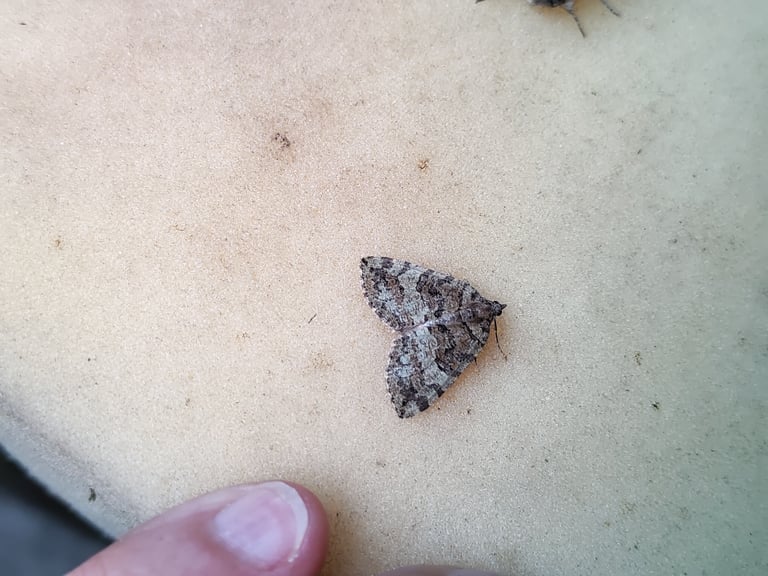
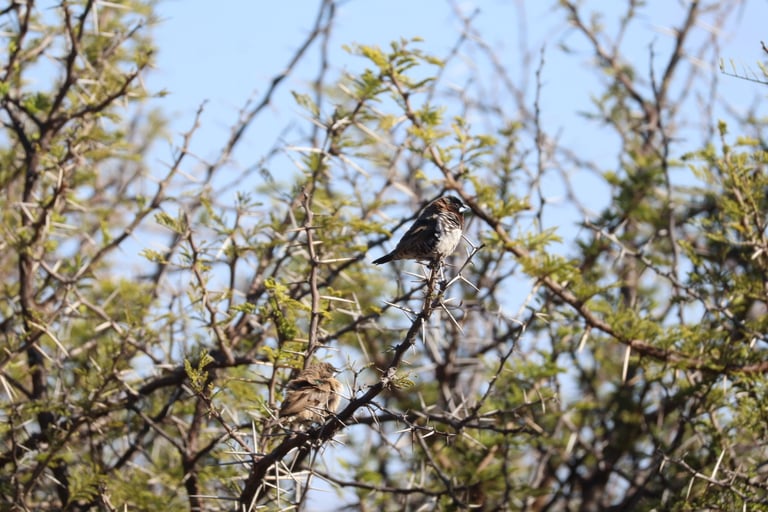
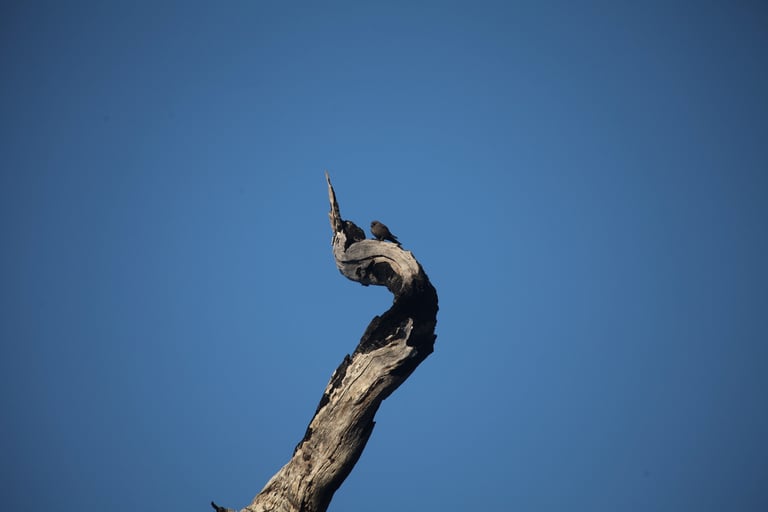
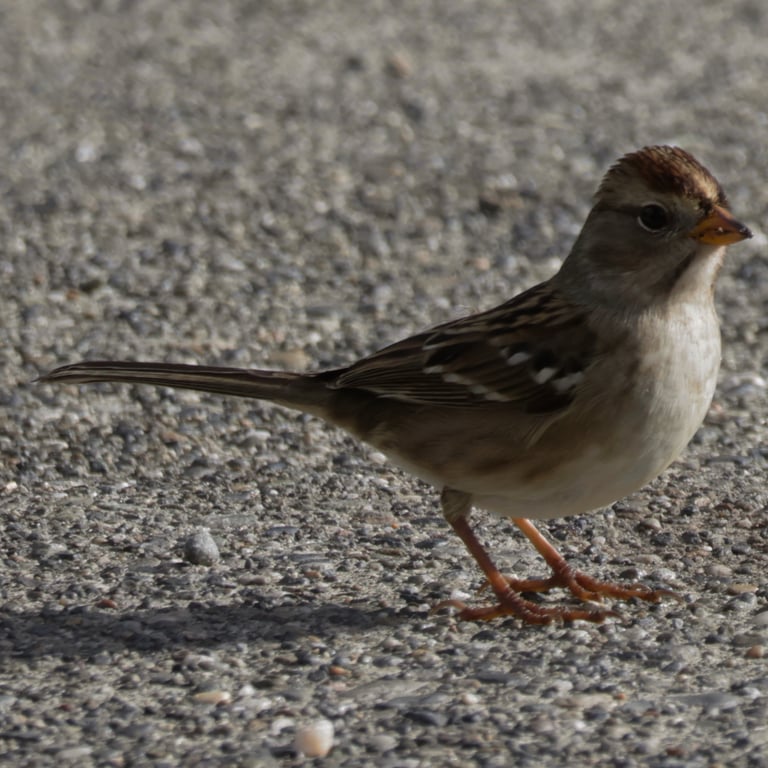
Photographs from via iNaturalist, licensed under CC0 1.0., by Raúl A. Ruiz M. via iNaturalist, licensed under CC BY 4.0., by Ava Conroy via iNaturalist, licensed under CC BY 4.0., by Juan Cruzado Cortés via iNaturalist, licensed under CC BY 4.0., by Trey Philips via iNaturalist, licensed under CC BY 4.0., by Tom Field via iNaturalist, licensed under CC BY 4.0., by Gavin Skeen via iNaturalist, licensed under CC BY 4.0., by Daniel Pineda Vera via iNaturalist, licensed under CC BY 4.0., by STEVEN PEREZ via iNaturalist, licensed under CC BY 4.0., by Anthony Batista via iNaturalist, licensed under CC BY 4.0., by Jake Nitta via iNaturalist, licensed under CC BY 4.0., and by Gabriel Jovêncio Ribeiro via iNaturalist, licensed under CC BY 4.0., credited on each photo.
Ecology and classification
Classification
- Phylum
- Chordata
- Class
- Aves
- Order
- Caprimulgiformes
- Family
- Caprimulgidae
- Genus
- Chordeiles
- Species
- Chordeiles acutipennis
Sources
- GBIF Species names and classification
- iNaturalist Photos
- Wikidata Common names and conservation status
- Wikipedia Summary extract
- Encyclopedia of Life Habitat, diet and behavior traits
- Xeno-canto Audio recordings
- Animal Diversity Web Animal habitat, behavior and diet
- AVONET Bird mass, habitat, migration, diet and range size