The cardinal flower is a North American wildflower whose scarlet spikes stand out along streams and swamps. Lobelia cardinalis is a perennial herb in the bellflower family Campanulaceae. It is native to the Americas, from southeastern Canada south through the eastern and southwestern United States, Mexico and Central America to northern Colombia. Its conservation status is Least Concern.
Its red flowers and its preference for wet ground set it apart from its relatives in the genus. The plant also carries toxic alkaloids, which give it a long and cautious place in human history.
Distribution and Habitat
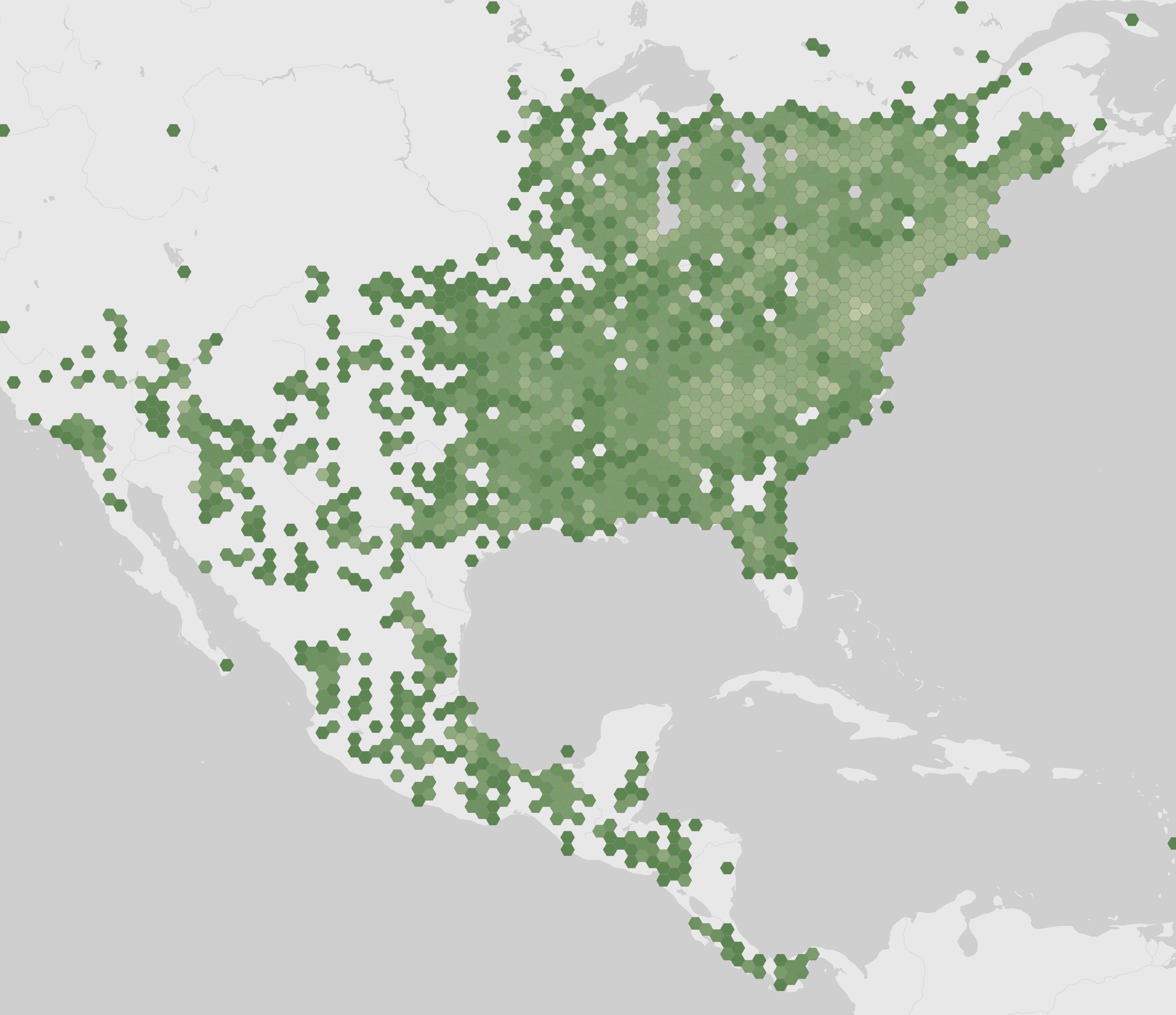
The cardinal flower grows across a broad stretch of the Americas, from southeastern Canada south through the eastern and southwestern United States, Mexico and Central America to northern Colombia. Within the United States it occurs in many eastern states as well as California, Arizona, Nevada and Texas. It is also introduced in Trinidad and Tobago.
The plant grows primarily in wet places. It is found on riverbanks, in riparian zones, bogs and swamps, and it sits close to a water source where its roots stay consistently moist from saturated soil. Some plants grow slightly away from the water, while others grow partly or fully submerged, with their flowers rising above the surface.
It is also found in damp or semi-flooded shaded forest areas, which widens its habitat beyond open wetlands. The species is adapted to temperate climates.
Observations recorded in the GBIF database cluster in late summer, with the highest number in August.
Growth and Form
The cardinal flower is a perennial herb that can reach a mature height of about 1.8 m. Its growth rate is moderate.
The leaves are up to 20 cm (8 in) long and 5 cm (2 in) broad. They are lance-shaped to oval and have a toothed margin.
The flowers are carried on an erect raceme up to 70 cm (28 in) tall. Each flower is usually vibrant red, has five deep lobes and is up to 4 cm across.
Cultivation and Care
The cardinal flower blooms in summer, when its red flower spikes are most conspicuous. It has low shade tolerance, so it does best in open light rather than deep shade.
It tolerates a moderate level of drought. It prefers consistently moist soil, which matches its natural habitat along streams and in wet ground. Its recorded soil pH range runs from about 5.8 to 7.8.
The species withstands winter cold to about -36.7 °C (-34 °F), which suggests it can be grown in cold northern gardens.
Uses and Human Relationships
The Zuni people used the cardinal flower as an ingredient in schumaakwe cakes and applied it externally for rheumatism and swelling. The Penobscot people smoked its dried leaves as a substitute for tobacco, and the plant may also have been chewed.
Photos
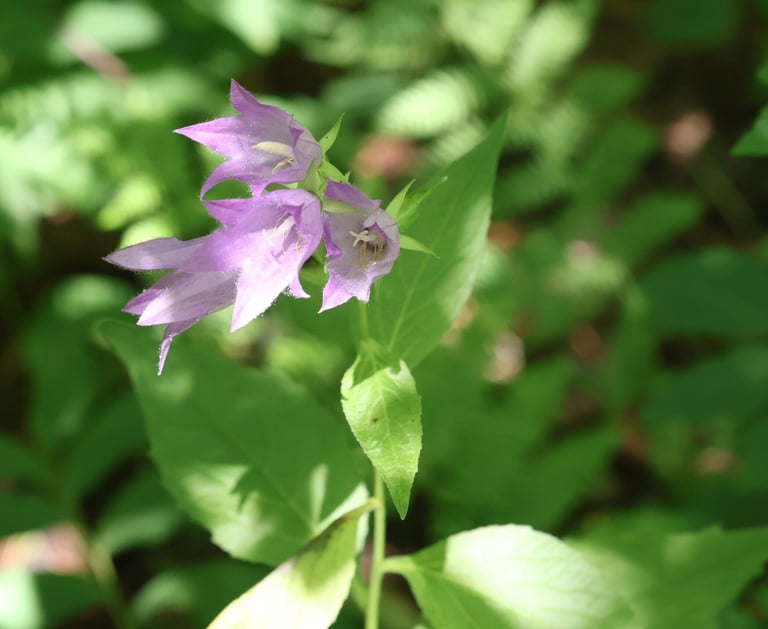
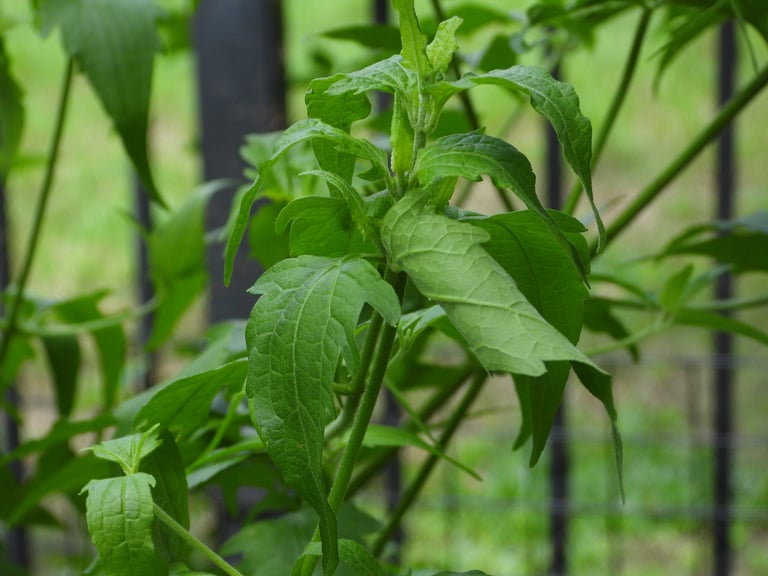
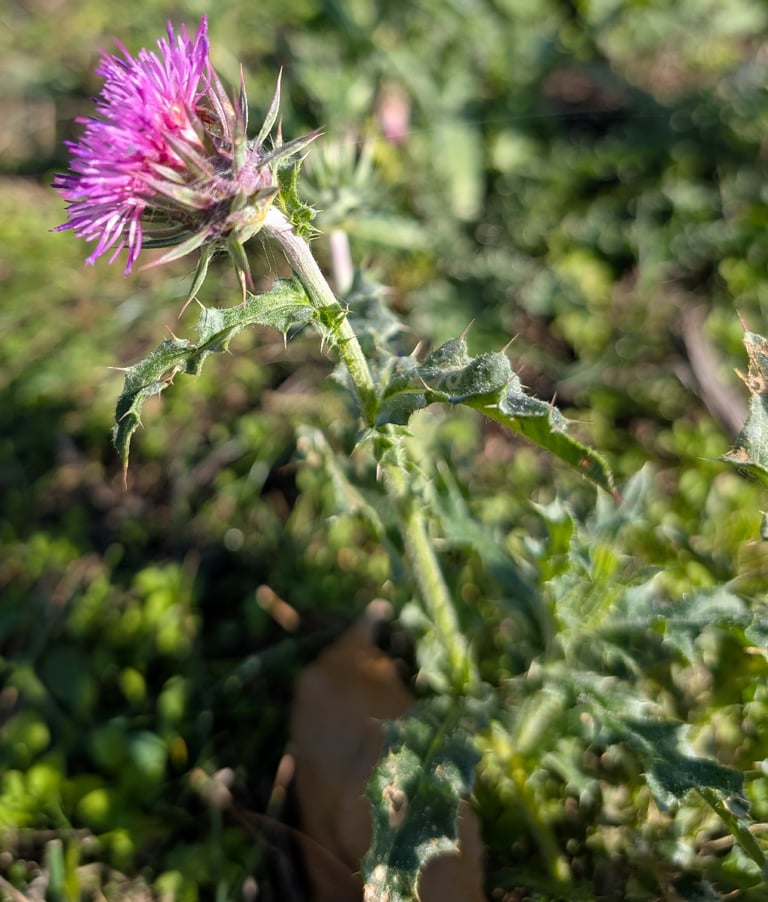
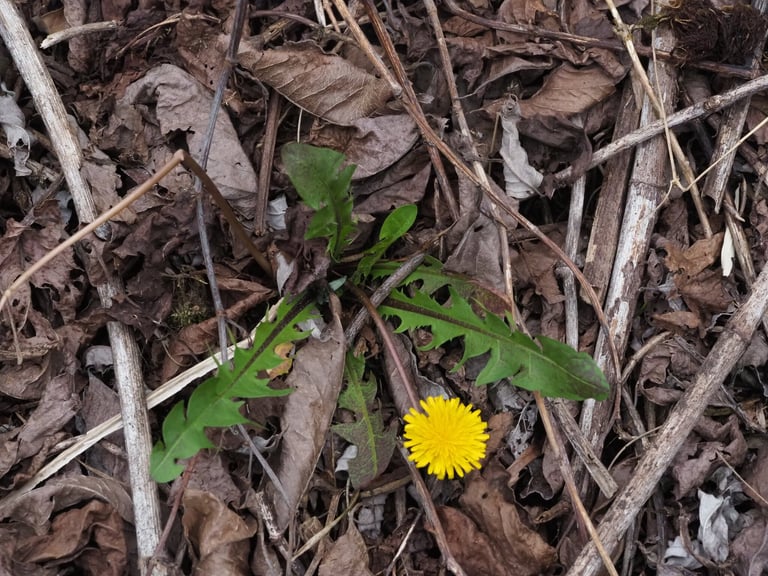
Photographs from via iNaturalist, licensed under CC0 1.0., by Michael via iNaturalist, licensed under CC BY 4.0., by Cody Stricker via iNaturalist, licensed under CC BY 4.0., by Steven Lamonde via iNaturalist, licensed under CC BY 4.0., by Kaden Slone via iNaturalist, licensed under CC BY 4.0., by Tom Field via iNaturalist, licensed under CC BY 4.0., by portulaca via iNaturalist, licensed under CC BY 4.0., by Jeff Wilson via iNaturalist, licensed under CC BY 4.0., by Sue Carnahan via iNaturalist, licensed under CC BY 4.0., and by Sam Kieschnick via iNaturalist, licensed under CC BY 4.0., credited on each photo.
Ecology and classification
Habitat
Growth habit
- Herb
Classification
- Phylum
- Tracheophyta
- Class
- Magnoliopsida
- Order
- Asterales
- Family
- Campanulaceae
- Genus
- Lobelia
- Species
- Lobelia cardinalis
Sources
- GBIF Species names and classification
- iNaturalist Photos
- Wikidata Common names and conservation status
- Wikipedia Summary extract
- Plants of the World Online Native range, life form and climate (WCVP)
- USDA Plants US plants: growth habit and growing conditions
- GloBI What it eats, what eats it, parasites and pollinators
- DoPI