Few mushrooms announce themselves by growing in tight, dense bouquets of a dozen or more caps fused at the base — a habit that gives Lyophyllum decastes its evocative North American nickname, the fried chicken mushroom, while British foragers know it as the clustered domecap.
It belongs to the family Lyophyllaceae within the order Agaricales, and its basidiocarps — the classic agaricoid, capped-and-stemmed fruiting bodies — appear across a wide swath of the north temperate world. Considered edible, it has moved beyond casual foraging into active cultivation in parts of Asia, making it one of the more economically notable wild-gathered mushrooms of its family.
Fruiting Body and Identification
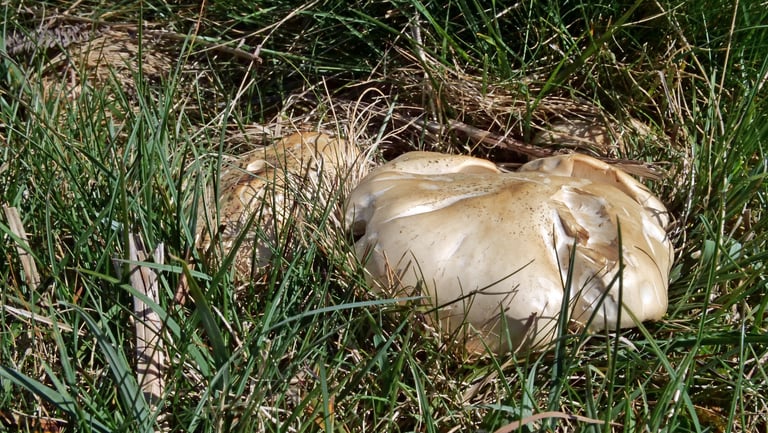
The tightly packed growth habit is often the first clue to identifying Lyophyllum decastes, but the individual mushrooms also carry a consistent set of features. Each cap measures 4 to 12 centimeters (1.5 to 4.75 inches) across, smooth to the touch, and variable in color from one cluster to the next.
The stalks are whitish to grayish, standing 5 to 10 centimeters (2 to 4 inches) tall and 1 to 3 centimeters (0.375 to 1.125 inches) thick — sturdy enough to support the crowded caps above them. The gills are white, though they may take on a slight yellow tinge as the mushroom ages. Cut or bruised, the firm flesh stays white rather than discoloring, and the spore print is white.
Identification is complicated by a cluster of visually similar species. Lyophyllum semitale, Pluteus petasatus, and L. fumosum all resemble L. decastes, and L. fumosum together with L. loricatum are sometimes lumped with it into a single species complex because they lack clear distinguishing features from one another.
Distribution and Habitat
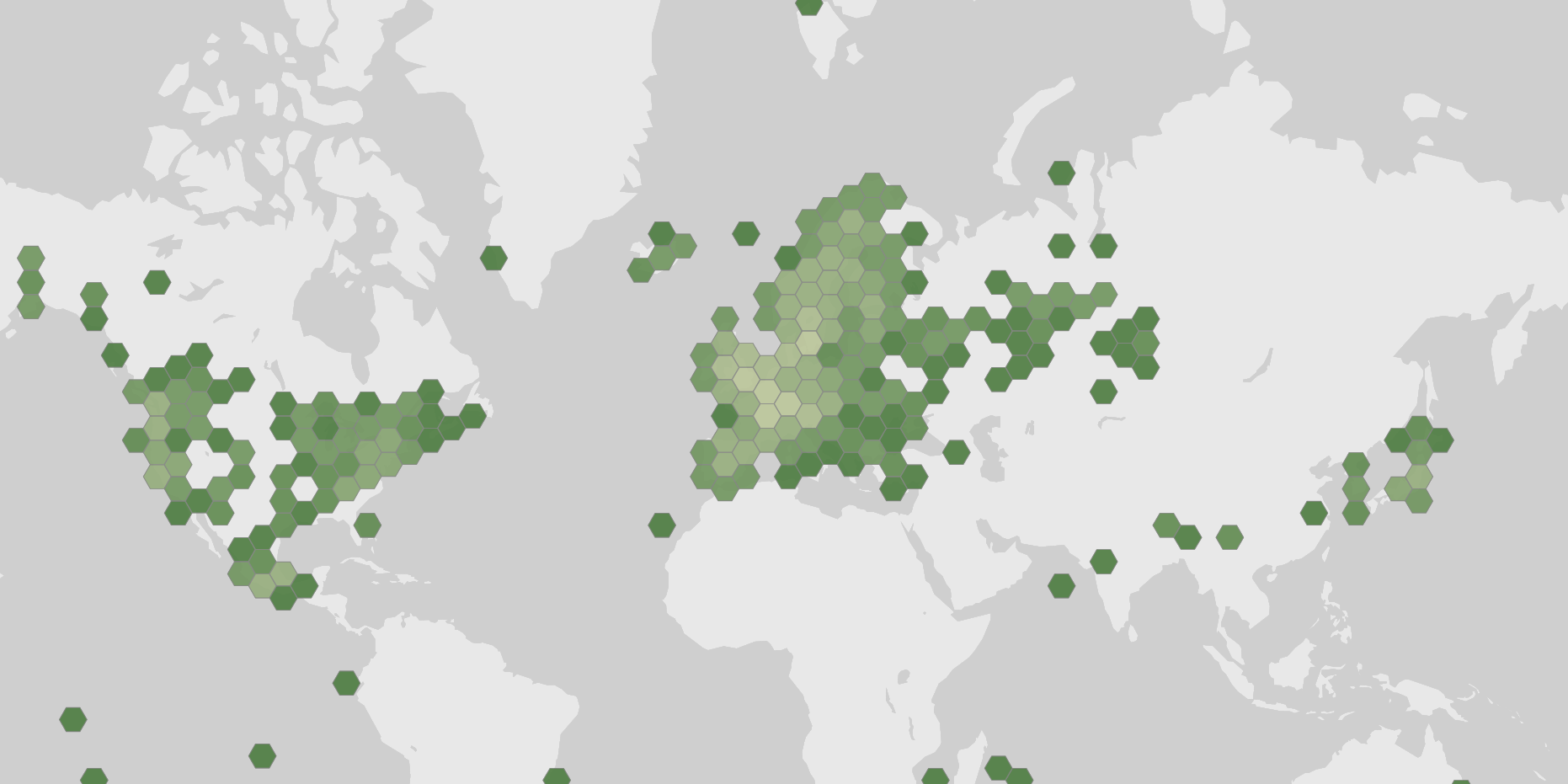
Lyophyllum decastes was first described from Sweden and remains widespread across Europe and other north temperate regions. In North America it is broadly distributed and fruits prolifically on the West Coast of the United States, appearing from summer through fall and occasionally into spring. The species also occurs in eastern temperate Asia.
It favors ground that has been disturbed, turning up along roadbeds, in gravel, on paths, and in landscaped areas, though it sometimes appears in woods as well. Its ecological role is not fully settled: it is variously classified as saprotrophic, breaking down organic matter, or ectomycorrhizal, forming partnerships with tree roots.
Monthly observation records show very low counts from January through June, a sharp rise beginning in July, and a pronounced peak in September and October before tapering off by December. This pattern points to a strong late-summer-to-fall fruiting window, though these figures reflect presence observations only and should not be read as a measure of abundance or the full extent of its range.
Uses and Cultural History
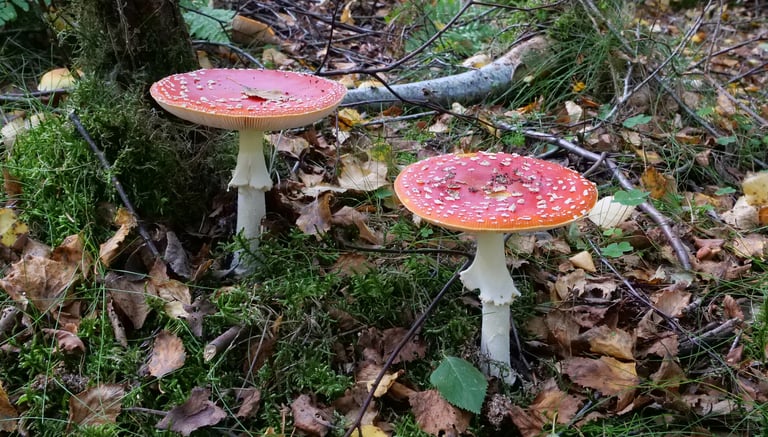
Lyophyllum decastes has not attained the ritual or medicinal stature of species like Amanita muscaria, but it holds a distinct niche as what has been described as a gateway mushroom for new foragers, likely owing to its abundant, easily spotted clusters.
In North America it is gathered from the wild and eaten, though not without caveats: some collectors report gastric upset, and there is a documented risk of confusing it with poisonous Entoloma species or Clitocybe dilatata.
The mushroom has moved well beyond casual foraging in Asia, where it is commercially cultivated. In Japan it is grown and sold as hatake shimeji, and in China as luronggu, typically raised on sawdust or bark compost. There it is regarded not just as food but as a health supplement.
Fun Facts
- A complete genome sequencing study of Lyophyllum decastes has offered insights into its evolutionary history and its potential for breaking down lignocellulose, the tough plant material found in wood.
- Research on beta-glucans purified from cultivated hatake shimeji has examined their antitumor effects, a line of study connected to the species' status as both a food and a health supplement in Asia.
- Taxonomic work by Moncalvo, Rehner, and Vilgalys in 1993 used culture studies to help clarify the placement of Lyophyllum section Difformia, the group to which this species belongs.
Ecology
Habitat
- Forest
- Urban
- Disturbed Ground