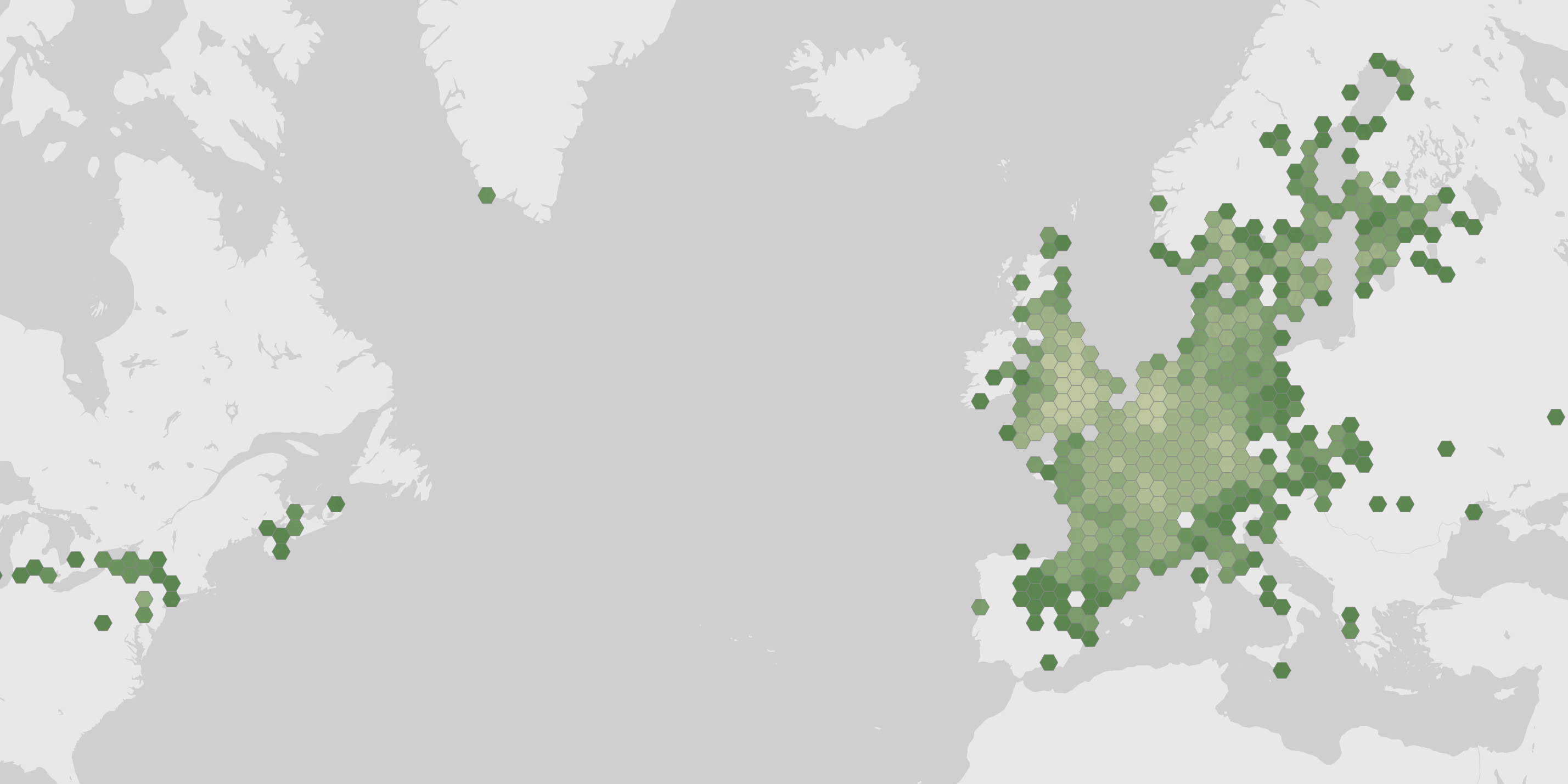
Tall yellow sweetclover has expanded far beyond its native Europe, now established across parts of North America from Ontario to New Jersey and Wisconsin, as well as Greenland and Ireland.
This plant, Melilotus altissimus, belongs to the legume family Fabaceae, within the genus Melilotus. Also known as tall melilot or golden melilot, it grows as a herbaceous plant across temperate regions.
Its dual identity, a valued forage and nectar plant in some areas and an introduced species elsewhere, makes it a species worth understanding both for its ecological role and its wide-reaching presence.
Identification and Appearance
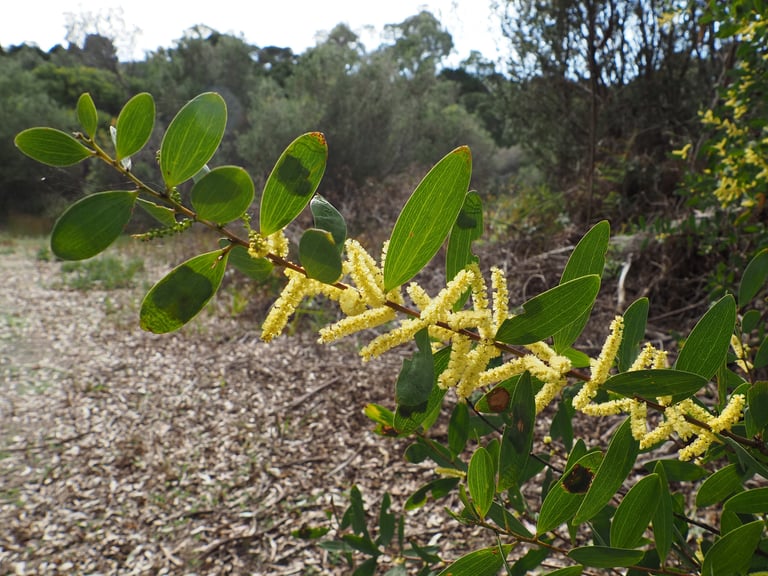
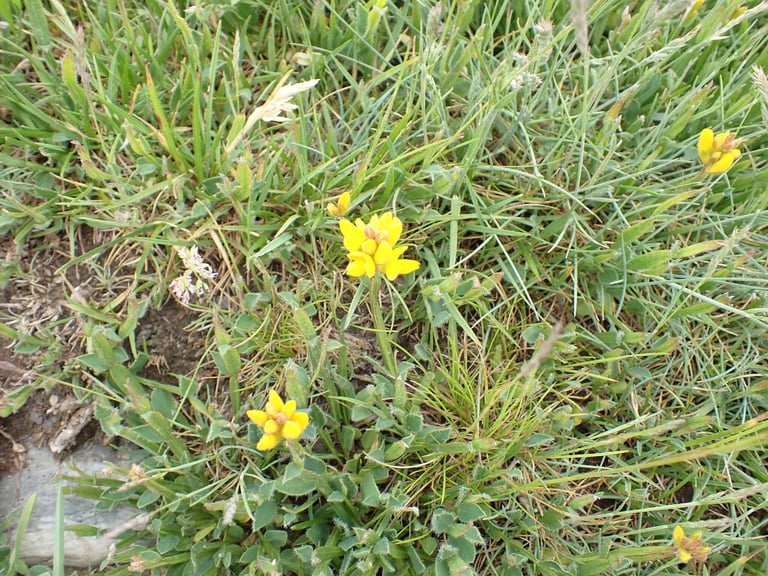
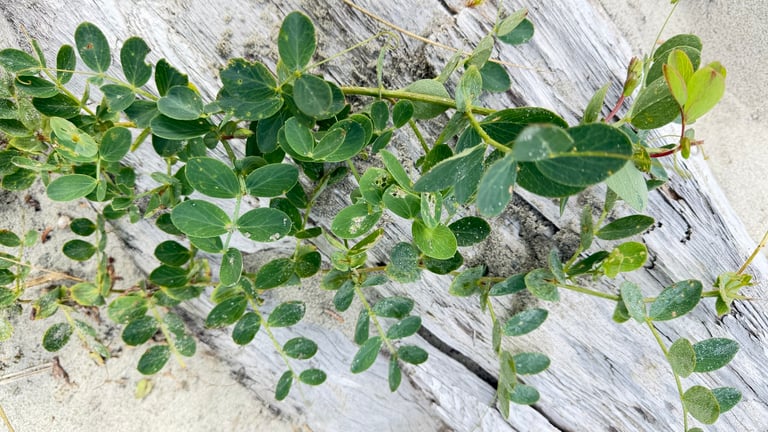
Melilotus altissimus, known as tall melilot, is recognized by its characteristic growth habit among the sweet-clovers.
Distribution and Habitat
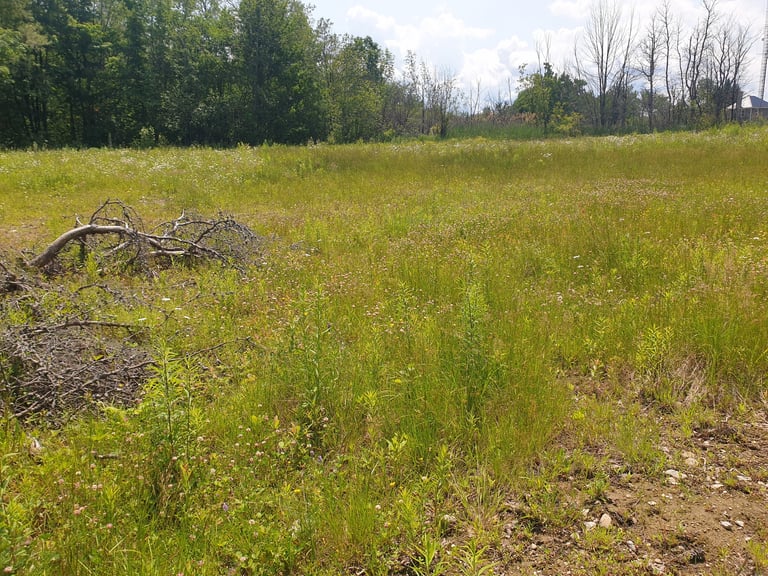
Melilotus altissimus is native to a broad swath of Europe, including France, Germany, Italy, Spain, Poland, Ukraine, and the Balkans, extending east into Central European Russia and South European Russia, within a temperate climate zone. Its native range stretches from the Iberian Peninsula to the Russian interior, and north into Scandinavia and Denmark.
The species has also become introduced well beyond this native range. It now occurs in the Baltic States, Great Britain, Ireland, and Greenland, as well as across West Siberia and Northwest European Russia. In North America, it has established in Illinois, Maine, Michigan, New Brunswick, New Jersey, New York, Nova Scotia, Ohio, Ontario, Pennsylvania, and Wisconsin.
Observation records through the year show activity rising sharply from spring into a pronounced peak in midsummer, particularly around July, before tapering off through autumn and winter. This pattern likely reflects when the plant is most visible and in flower, rather than a measure of its actual population size or full range.
Growth and Form
Melilotus altissimus grows as either a biennial or a perennial herb, meaning individual plants may complete their life cycle within two years or persist and regrow over multiple seasons.
Ecology and Relationships
Bumblebees dominate the recorded flower visitors of Melilotus altissimus, with species such as Bombus lapidarius, Bombus pascuorum, and Bombus terrestris visiting most frequently, alongside several other bumblebee species and the honeybee Apis mellifera. A flower visit does not necessarily mean pollination has occurred, but the diversity of bumblebee visitors suggests the plant is an attractive nectar source within its grassland and disturbed-ground habitats.
A range of birds and insects have been recorded feeding on the plant, including finches like Acanthis flammea and Carduelis citrinella, larks such as Alauda arvensis, waterfowl including Anas platyrhynchos and Anser anser, and grasshoppers like Chorthippus mollis.
Belowground, the plant associates with nitrogen-fixing bacteria, most notably Ensifer meliloti and Rhizobium leguminosarum, a relationship typical of legumes that helps enrich the soils it grows in. It also hosts the aphid Acyrthosiphon pisum.
Fun Facts
- Melilotus altissimus is known by several common names, including tall yellow sweetclover, tall melilot, and golden melilot, reflecting its wide recognition across different regions.
- Despite being native to Europe, the species has spread as far as Greenland and across a wide stretch of the North American Great Lakes region and eastern seaboard.
Photos
Photographs from via iNaturalist, licensed under CC0 1.0., by guywallbanks via iNaturalist, licensed under CC BY 4.0., and by nebrooks via iNaturalist, licensed under CC BY 4.0., credited on each photo.
Ecology and classification
Habitat
Growth habit
- Herb
Classification
- Phylum
- Tracheophyta
- Class
- Magnoliopsida
- Order
- Fabales
- Family
- Fabaceae
- Genus
- Melilotus
- Species
- Melilotus altissimus
Sources
- GBIF Species names and classification
- iNaturalist Photos
- Wikidata Common names and conservation status
- Wikipedia Summary extract
- Plants of the World Online Native range, life form and climate (WCVP)
- GloBI What it eats, what eats it, parasites and pollinators
- trophiCH
- Wardeh et al. 2015 (EID2)
- DoPI
- EuPPollNet