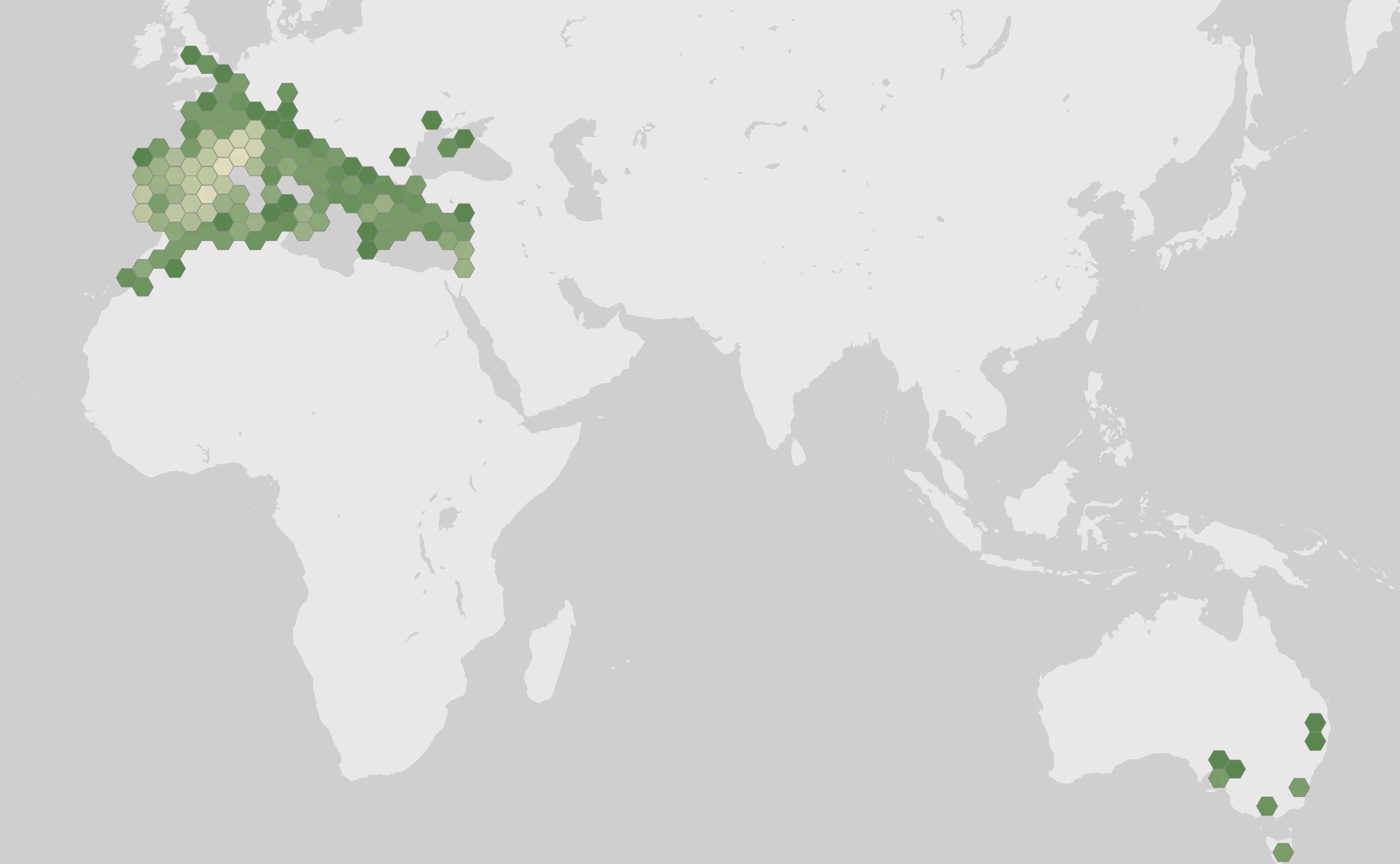
The pale stonecrop, Petrosedum sediforme, is a perennial flowering plant in the family Crassulaceae that grows naturally across the Mediterranean Basin. Its range runs from Portugal in the west to Syria in the east, and it also covers Mediterranean islands and the coasts of North Africa.
It resembles other Petrosedum species but grows taller. People use it both in cooking and as an ornamental plant.
Identification and Appearance
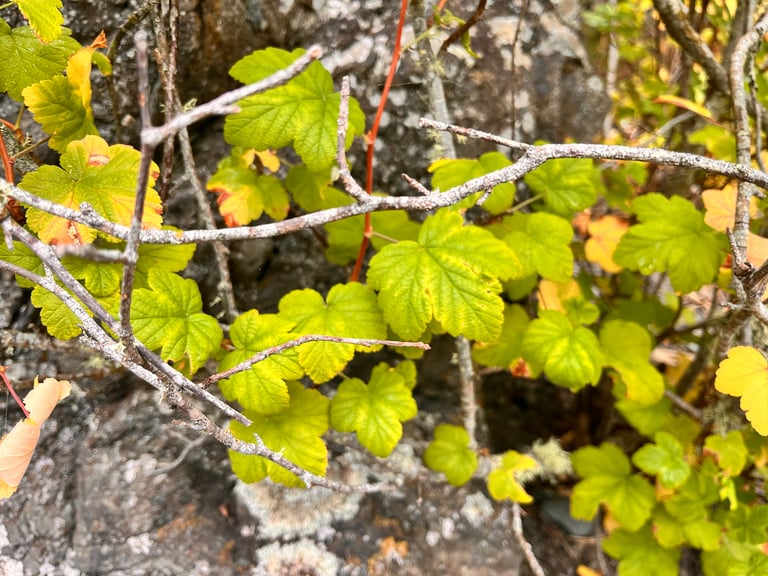
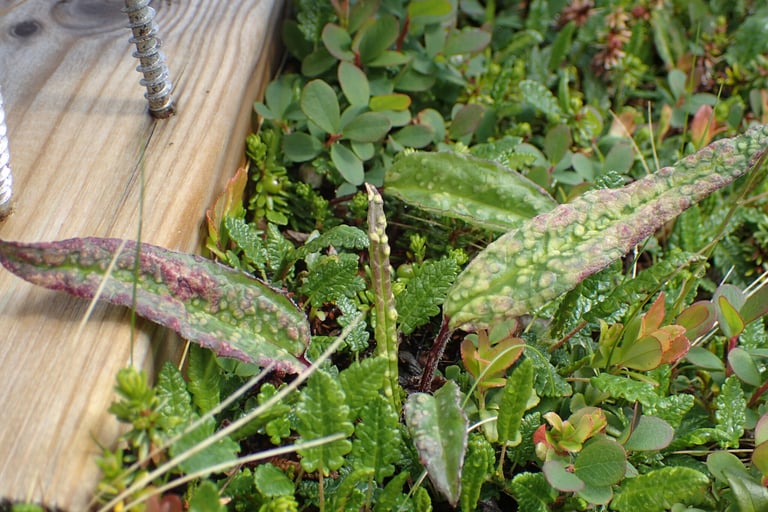
The leaves are the most useful field mark. They overlap, are oblong to elliptic with pointed tips, and are somewhat thickened and sometimes flattened. Reaching up to 20 mm long, they are smooth, dark green and often glaucous.
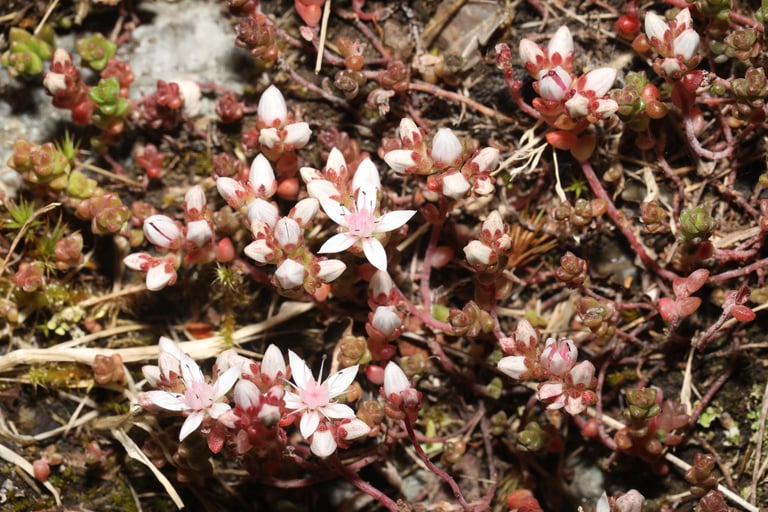
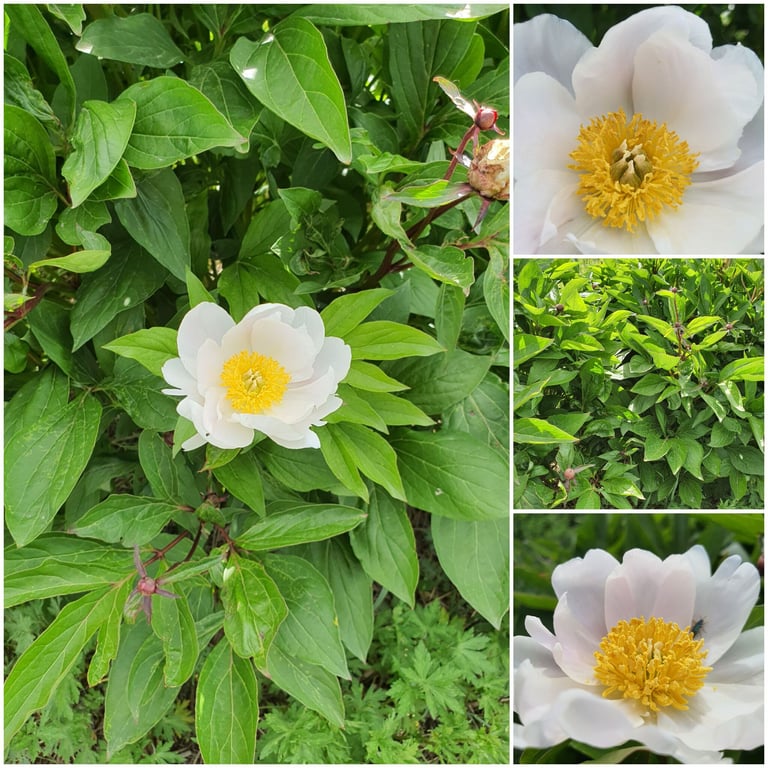
In bloom, upright flowering stems rise 25 to 60 cm tall and carry clusters of flowers at their tops. Each flower has small green triangular sepals about 2–3 mm long and oblong, greenish-white to creamy petals about 5–8 mm long. Most flowers have 6–8 petals, rarely 5 or 9. The stamens have white filaments and yellow anthers.
Vegetative traits alone make it hard to separate from P. rupestre, P. ochroleucum and P. montanum. Color varies widely: Spanish plants with brownish or olive-green tones closely resemble some Israeli specimens. In the Sierra Nevada, neighboring plants can look strikingly different.
Distribution and Habitat
The species occurs throughout the Mediterranean Basin, including Portugal, Spain, France, Italy, Mediterranean islands, Turkey, Palestine, Israel, Libya, Syria, Tunisia, Algeria and Morocco. It has also been introduced in parts of Australia, New Zealand, Belgium, Germany, Great Britain and Ukraine.
It grows mostly in lowlands, often near the sea on dunes or coastal cliffs. It also climbs to 1000 meters in the French Alps and 1750 meters in the Sierra Nevada. The plant favors open, sunny places and tolerates a wide range of climates. Limestone is common, though not exclusive, as its substrate.
Chromosome counts track elevation. Diploid plants (2n=32) are generally confined to lowlands, while hexaploid plants (2n=96) mostly inhabit mountains. Tetraploid plants (2n=64) show no distinct habitat preference.
A natural hybrid with Petrosedum forsterianum was found in Portugal and described in 2015 as Petrosedum × estrelae.
Growth and Form
It is a succulent subshrub with a branching habit and often woody, non-flowering basal shoots. Its flowering stems reach 25 to 60 cm, which makes it taller than many of its relatives.
Because its leaves are highly succulent, the plant does not go dormant during the summer and keeps its foliage through the hot months.
Ecology and Relationships
Its flowers draw mainly bees and wasps (Hymenoptera) and beetles (Coleoptera). Honey bees (Apis mellifera) and the carpenter bee Xylocopa iris are among its most frequent visitors, and beetles such as Oedemera flavipes also feed at the flowers.
It needs open, sunny ground and copes with dunes, coastal cliffs and limestone, from sea level to high mountain slopes.
Uses and Human Relationships
The species is edible, and its leaves may be used in cooking as a pot-herb. It is also sometimes grown as an ornamental plant in rock gardens.
Forms with broad leaves from Portugal and Spain are valued for their compact growth, and those with glaucous leaves are especially popular with gardeners. Plants from higher elevations in France are more resilient, though they lack the same visual appeal.
Compared with other Petrosedum species, it has a more refined appearance, but it tends to grow tall.
Photos
Photographs from by Duarte Frade via iNaturalist, licensed under CC BY 4.0., via iNaturalist, licensed under CC0 1.0., by Louis Aureglia via iNaturalist, licensed under CC BY 4.0., by Ruslan Salimgareev via iNaturalist, licensed under CC BY 4.0., by Frederic Pascual Dose via iNaturalist, licensed under CC BY 4.0., by Filipi Miranda Soares via iNaturalist, licensed under CC BY 4.0., by Daniel Ellehammer Larsen via iNaturalist, licensed under CC BY 4.0., by Vasco Henrique Oliveira Fonseca via iNaturalist, licensed under CC BY 4.0., by Dmitry Trutsko via iNaturalist, licensed under CC BY 4.0., by Mario Garofano via iNaturalist, licensed under CC BY 4.0., by David Pereira via iNaturalist, licensed under CC BY 4.0., by Tom and T Herman via iNaturalist, licensed under CC BY 4.0., by Xavier Mas via iNaturalist, licensed under CC BY 4.0., and by Oisín via iNaturalist, licensed under CC BY 4.0., credited on each photo.
Ecology and classification
Classification
- Phylum
- Tracheophyta
- Class
- Magnoliopsida
- Order
- Saxifragales
- Family
- Crassulaceae
- Genus
- Petrosedum
- Species
- Petrosedum sediforme
Sources
- GBIF Species names and classification
- iNaturalist Photos
- Wikidata Common names and conservation status
- Wikipedia Summary extract
- Plants of the World Online Native range, life form and climate (WCVP)
- GloBI What it eats, what eats it, parasites and pollinators
- DoPI
- EuPPollNet