Phleum alpinum is a grass that goes by the common names alpine cat's-tail, alpine timothy and mountain timothy. It belongs to the family Poaceae, the grass family, within the order Poales.
The IUCN Red List rates the species as Least Concern, meaning it is widespread and not considered at risk of extinction.
As a member of the timothy genus Phleum, it shares its family with many of the world's most familiar cereal and forage grasses, making it a useful entry point for understanding how grasses are classified.
Identification and Appearance
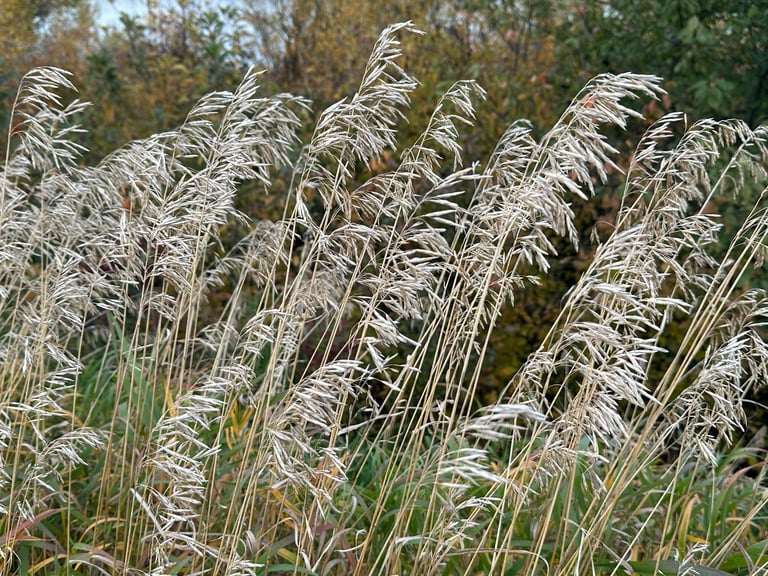
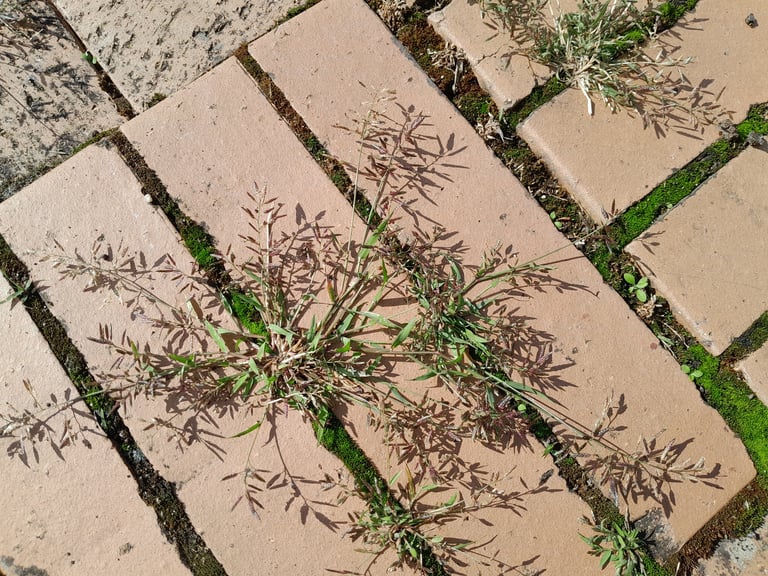
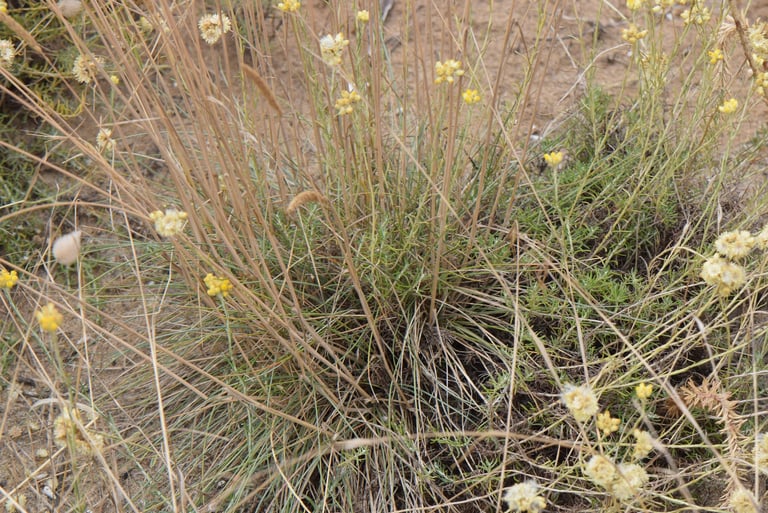
The clearest mark of Phleum alpinum is its growth habit: it forms loose clumps of upright stems rather than spreading mats. The clumps stand 20 to 60 centimetres (7.9 to 23.6 in) tall.
The flowering head, called an inflorescence, is a dense, cylindrical to oval mass of spikelets. It can reach up to 6 centimetres (2.4 in) long and 1.2 centimetres (0.47 in) wide.
The spikelets are packed closely along the stem, which gives the head a compact, bottle-brush outline. Its overall shape is what sets it apart from more open grasses.
Few other grasses in its range combine such a dense, cylindrical head with a clumped, tufted form, so the head shape is the best field clue.
Distribution and Habitat
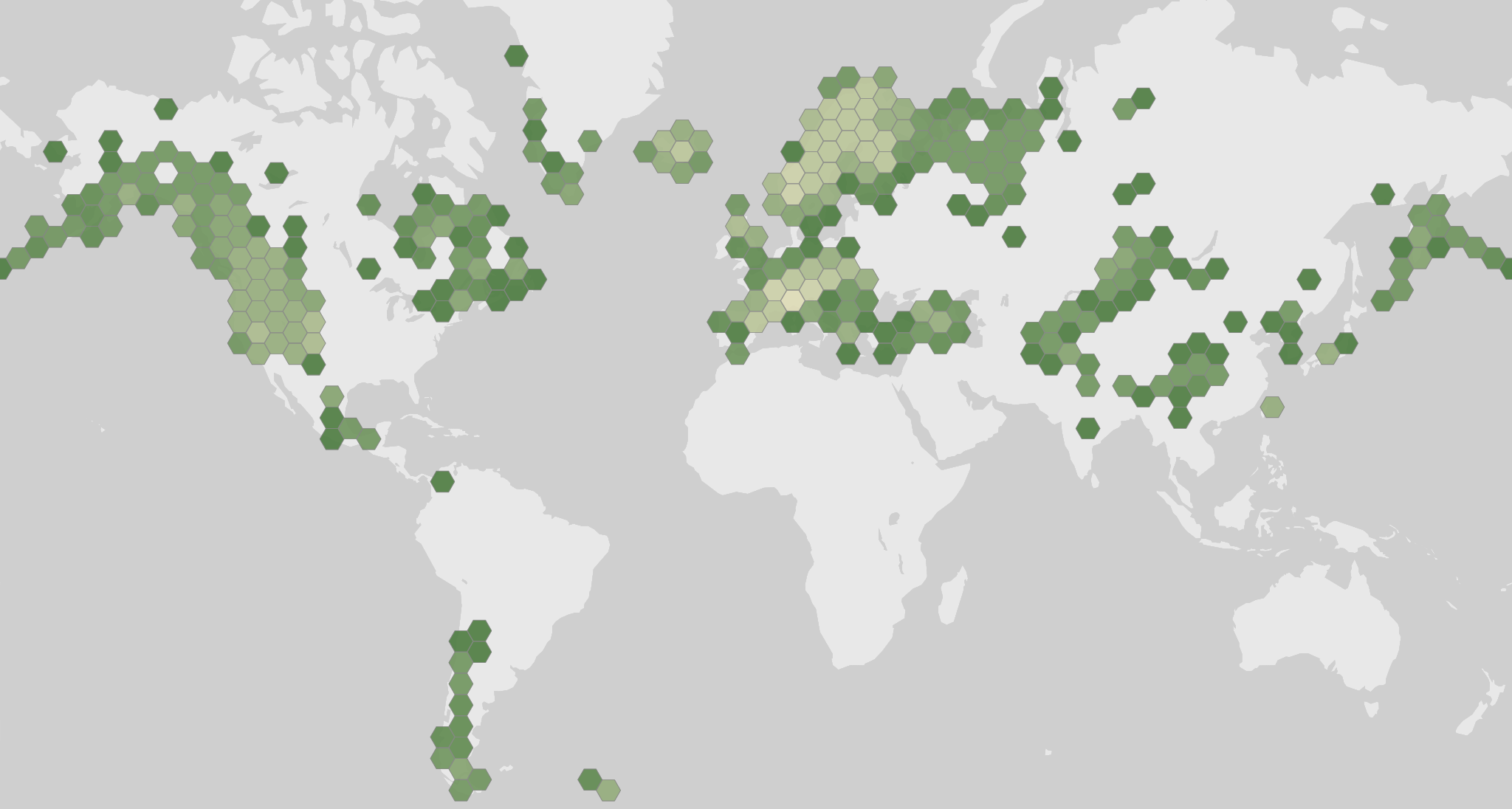
Phleum alpinum has a circumboreal distribution. It is found across northern areas of the Northern Hemisphere, including Alaska, much of Canada, Scandinavia, Central Asia, the Himalaya, Japan and Korea.
In the Americas, its range runs south through the mountains of the western United States and Mexico to Guatemala. It also extends down the Andes to southern South America.
The grass reaches far into the southern oceans. It occurs on islands in the subantarctic region, and on South Georgia Island it is one of the most common plant species.
Its habitats are cool and temperate to subarctic. Sightings cluster strongly in the summer months, with the peak in July and high counts in June and August.
Growth and Form
Phleum alpinum is a graminoid, meaning a grass-like plant with narrow leaves and a tufted habit. It lives for more than two years and returns from the same root system each year.
Growth is slow. The plant builds up its clumps gradually, which helps it persist in cold, exposed sites.
Mature plants typically stand about 0.4 metres (16 in) tall, within a range of 20 to 60 centimetres.
Ecology and Relationships
Grasshoppers are the most important group of animals that feed on Phleum alpinum. Several meadow species, including Chorthippus parallelus, Chorthippus biguttulus and Decticus albifrons, are established partners, and other grasshoppers in the same group also feed on it.
True bugs (Hemiptera), moths and butterflies (Lepidoptera), and flies (Diptera) are also main groups of partners. Perching songbirds (Passeriformes) feed on it as well, making birds part of its food web.
Pigeons (Columbiformes) and gamebirds (Galliformes) also feed on it, but less often than the groups above.
Cultivation and Care
Phleum alpinum suits cool gardens and tolerates severe winter cold, with a recorded minimum tolerance of -41.7 degrees Celsius.
It prefers medium shade rather than full sun, so a site with partial light suits it. Soil pH can range from about 5 to 7.5.
The plant has low drought tolerance, so it needs reliably moist soil. Its growth is slow, so it is best planted as a patient, long-term addition. Its bloom period falls in late spring, when its yellow flowers appear.
The plant has no known toxicity, so it is safe to grow where pets and children are present.
Photos
Photographs from via iNaturalist, licensed under CC0 1.0., by Alexis Tinker-Tsavalas via iNaturalist, licensed under CC BY 4.0., by Matt Berger via iNaturalist, licensed under CC BY 4.0., by Daughter Dad via iNaturalist, licensed under CC BY 4.0., by Cyndy Sims (Parr) via iNaturalist, licensed under CC BY 4.0., by Clay Gibbons via iNaturalist, licensed under CC BY 4.0., and by Ingvild Riska via iNaturalist, licensed under CC BY 4.0., credited on each photo.
Ecology and classification
Growth habit
- Graminoid
Classification
- Phylum
- Tracheophyta
- Class
- Liliopsida
- Order
- Poales
- Family
- Poaceae
- Genus
- Phleum
- Species
- Phleum alpinum
Sources
- GBIF Species names and classification
- iNaturalist Photos
- Wikidata Common names and conservation status
- Wikipedia Summary extract
- Plants of the World Online Native range, life form and climate (WCVP)
- USDA Plants US plants: growth habit and growing conditions
- GloBI What it eats, what eats it, parasites and pollinators
- trophiCH