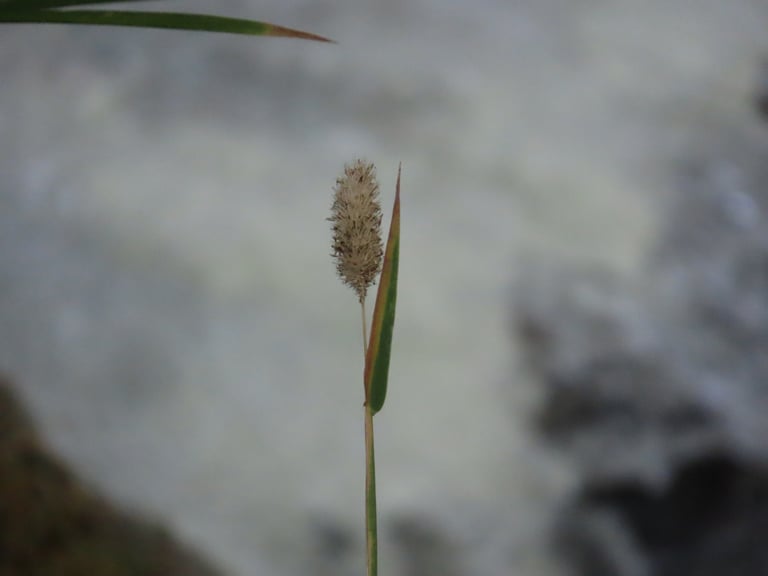
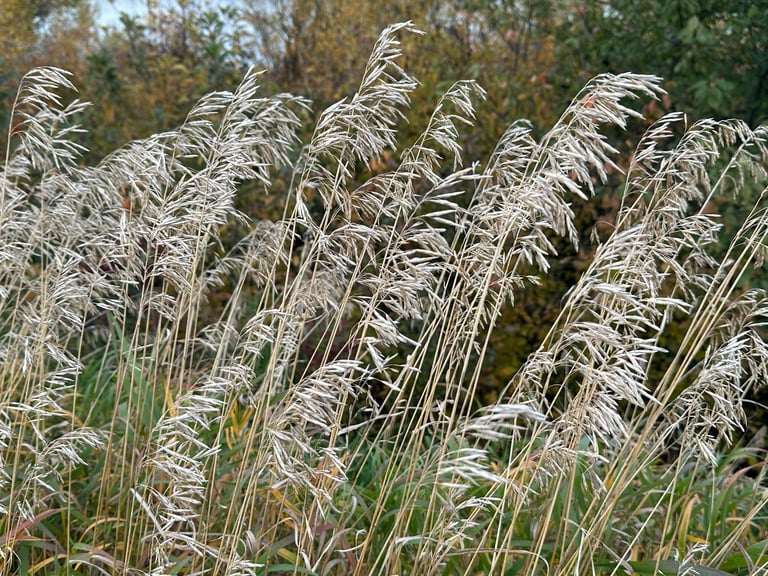
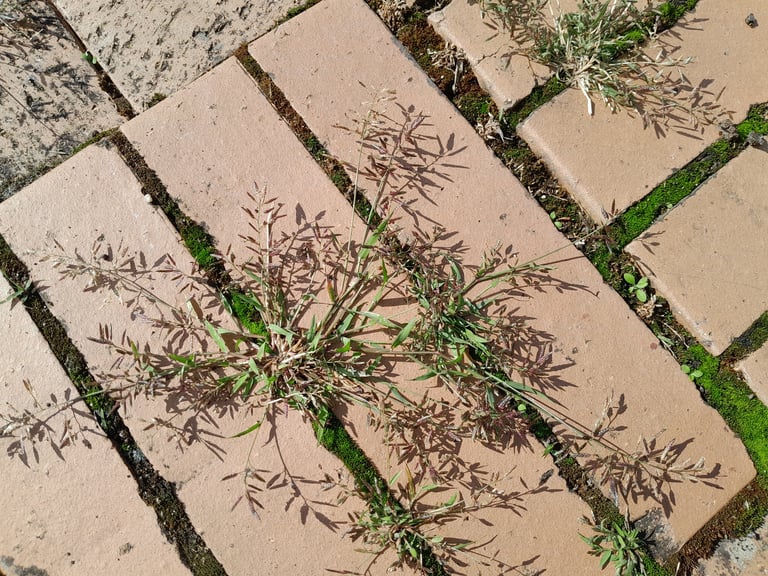
Phleum phleoides is a perennial grass that grows across most of Europe, North Africa and temperate Asia. It belongs to the family Poaceae, and it is one of the grasses that spread from the Mediterranean region east to Siberia.
Its erect culms reach about 10 to 70 centimeters, or roughly 4 to 28 inches, in height. The leaf blades are narrow, measuring 5 to 12 centimeters long and 1 to 3.5 millimeters wide. Its wide range and its place in mountain and forest-edge plant communities make it a useful grass to know.
Distribution and Habitat
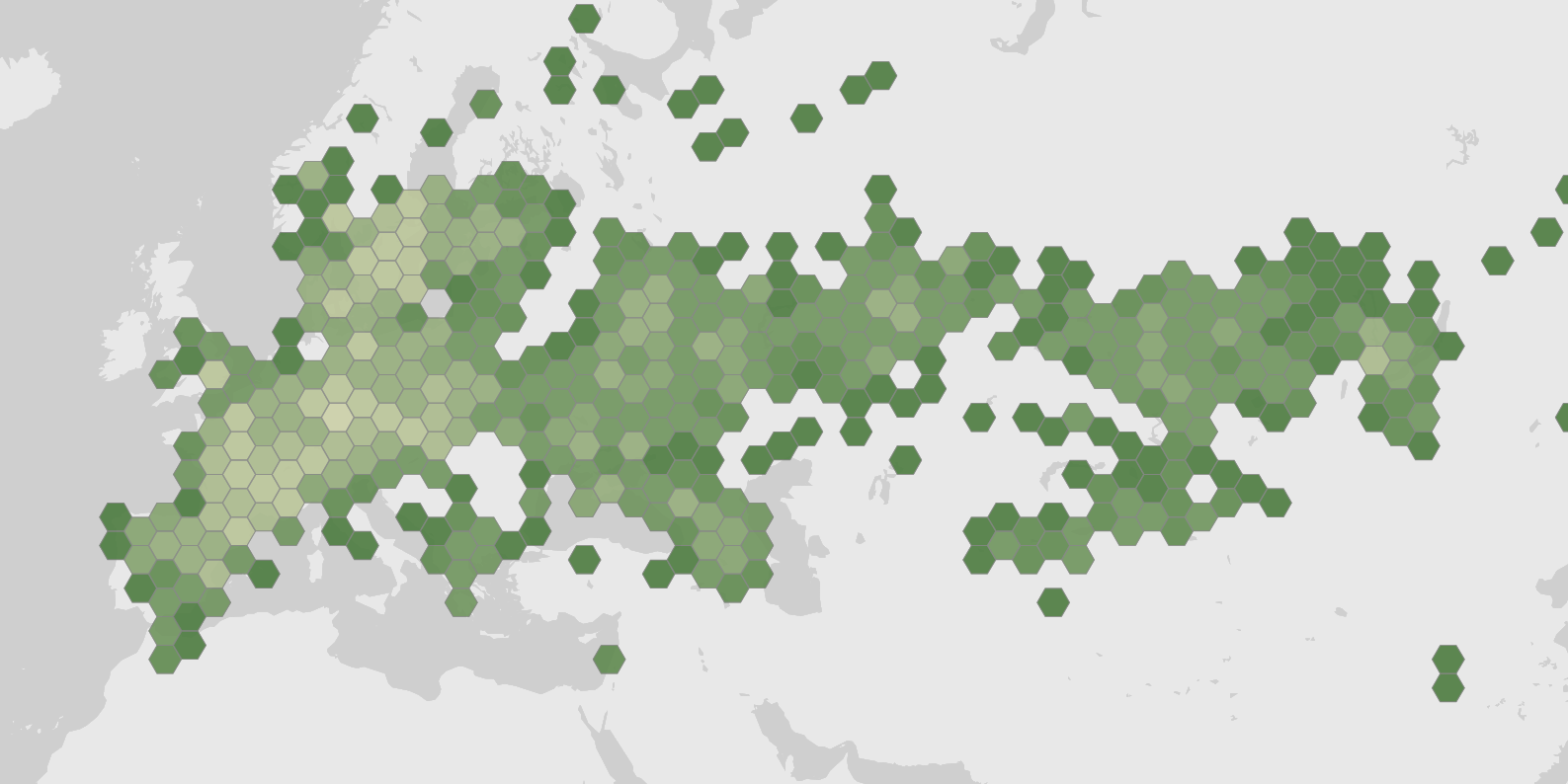
Phleum phleoides is native to a broad belt stretching from North Africa and most of Europe east through Asia. Its native range includes Spain, France, Italy, Greece, Turkey, Ukraine, Kazakhstan, Mongolia, Iran and parts of Siberia, among many other areas.
It has also been introduced to parts of the Russian Far East and northern European Russia, including the Amur region and Primorye.
The grass grows on grassy mountain slopes, among shrubs and along forest margins. It occurs at elevations from about 800 to 2,600 meters.
Observations of the species peak in June and July, with fewer records in the winter months.
Growth and Form
Phleum phleoides is a graminoid, a grass-like plant with narrow leaves and an erect, tufted habit. It is a perennial, so it returns year after year from the same root system.
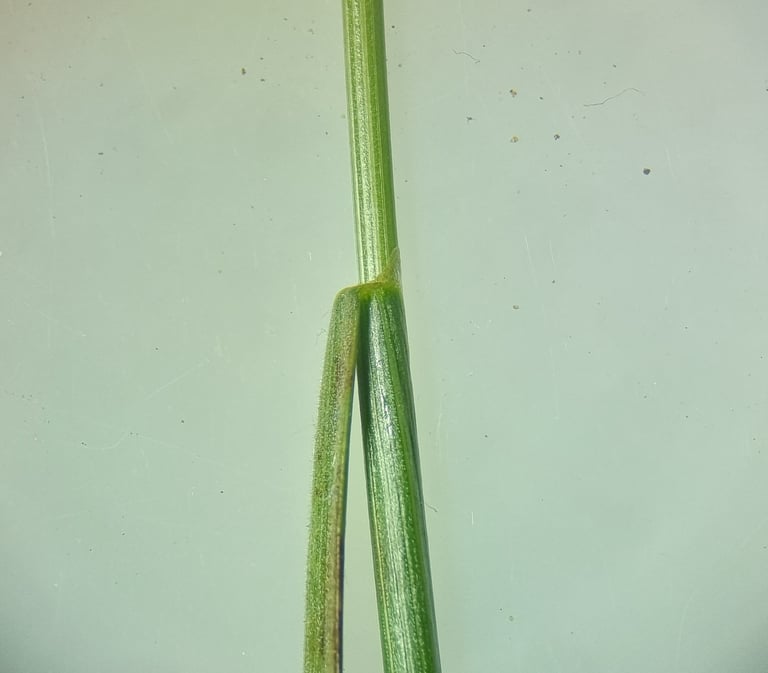
The culms stand erect and reach about 10 to 70 centimeters in height. The leaf blades are 5 to 12 centimeters long and 1 to 3.5 millimeters wide, which gives the plant a slender appearance.
Ecology and Relationships
Many animals feed on Phleum phleoides. Grasshoppers are among its most important consumers, including Chorthippus biguttulus and Chorthippus parallelus, and grasshoppers from the order Orthoptera are a main group of partners.
Birds are the largest group of partners. Passerine birds such as the finches Acanthis flammea and Carduelis citrinella feed on its seeds, and the skylark Alauda arvensis is another main consumer. Waterfowl and game birds, including the greylag goose Anser anser and the mallard Anas platyrhynchos, also feed on it, though less commonly.
Sap-feeding true bugs in the order Hemiptera and caterpillars of moths and butterflies in the order Lepidoptera also use the grass as food. Flies in the order Diptera feed on it to a lesser extent.
Photos
Photographs from by Petr Harant via iNaturalist, licensed under CC BY 4.0., via iNaturalist, licensed under CC0 1.0., by Denys Vynokurov via iNaturalist, licensed under CC BY 4.0., by Christoph Moning via iNaturalist, licensed under CC BY 4.0., by Oleg Kosterin via iNaturalist, licensed under CC BY 4.0., by Vladimír Fuka via iNaturalist, licensed under CC BY 4.0., by Bobo-X via iNaturalist, licensed under CC BY 4.0., by Alexander Dubynin via iNaturalist, licensed under CC BY 4.0., by Stanislav Murashkin via iNaturalist, licensed under CC BY 4.0., by Роман Шестеров via iNaturalist, licensed under CC BY 4.0., by Наталья Пикалова via iNaturalist, licensed under CC BY 4.0., by Илья Руденко via iNaturalist, licensed under CC BY 4.0., and by Tatiana Strus via iNaturalist, licensed under CC BY 4.0., credited on each photo.
Ecology and classification
Classification
- Phylum
- Tracheophyta
- Class
- Liliopsida
- Order
- Poales
- Family
- Poaceae
- Genus
- Phleum
- Species
- Phleum phleoides
Sources
- GBIF Species names and classification
- iNaturalist Photos
- Wikidata Common names and conservation status
- Wikipedia Summary extract
- Encyclopedia of Life Habitat, diet and behavior traits
- Plants of the World Online Native range, life form and climate (WCVP)
- USDA Plants US plants: growth habit and growing conditions
- GloBI What it eats, what eats it, parasites and pollinators
- trophiCH