Few ground covers span as much of the globe as Phyla nodiflora. Known by names like lippia, kurapia, turkey tangle frogfruit, capeweed, and frogfruit, this flowering plant in the family Verbenaceae grows wild across the tropics and subtropics worldwide.
It carries a Least Concern conservation status, unsurprising given its wide distribution. Often grown deliberately as an ornamental ground cover, it also turns up uninvited in yards and disturbed areas, making it a familiar sight to gardeners and naturalists alike.
Identification and Appearance
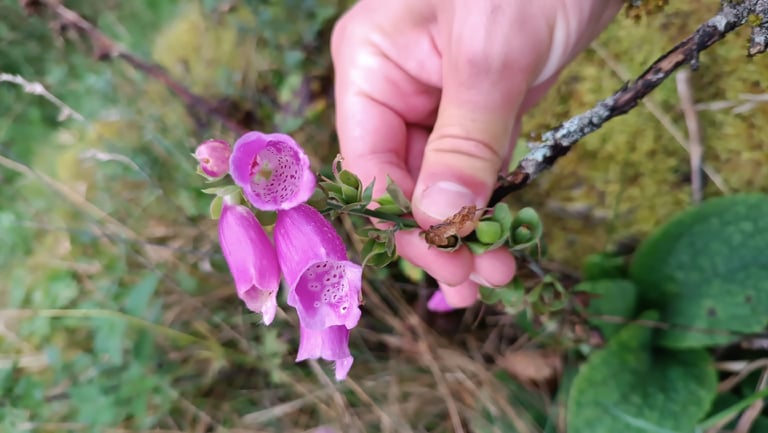
The most useful field mark is the flower head itself: a purple center encircled by small white-to-pink flowers, giving the inflorescence a distinctive match-like appearance that has earned the plant the nickname "matchweed."
This compact flower cluster sits atop a low, spreading plant, and the overall look is easy to spot once the bloom pattern is known.
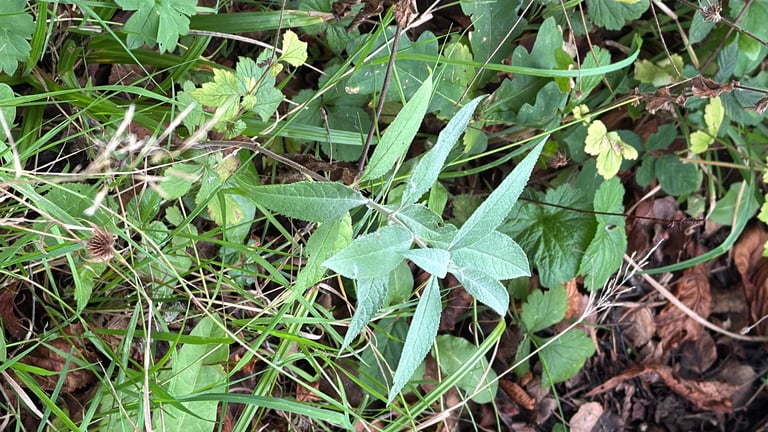
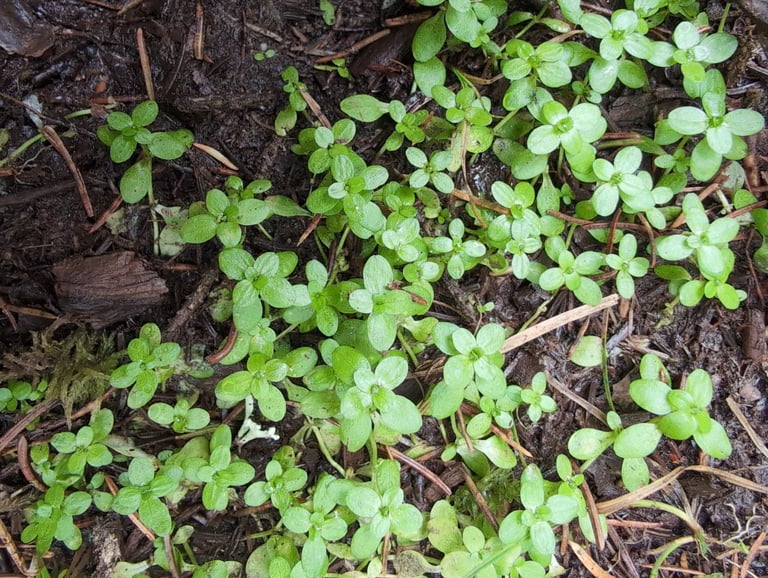
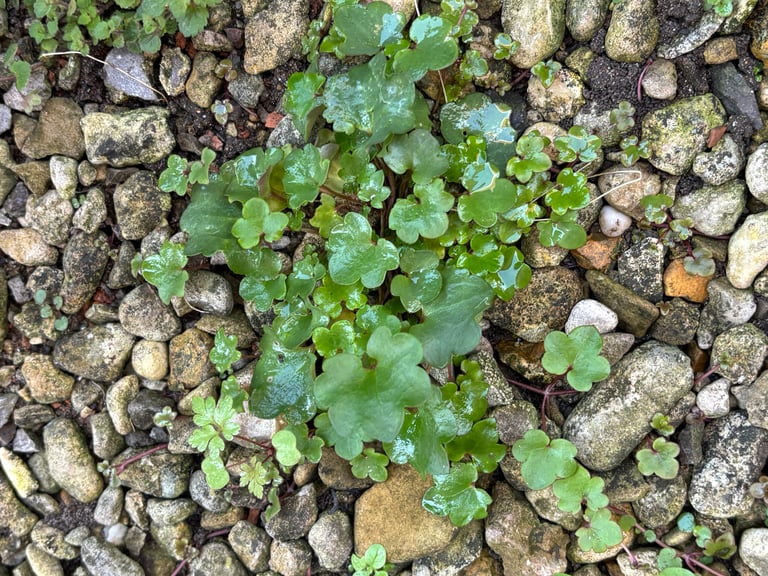
Phyla nodiflora closely resembles the related Phyla lanceolata, but the two can be told apart by leaf shape: P. nodiflora has much shorter leaves that are often blunt and much more rounded, while its relative's leaves are more elongated. Both species are common as weeds and in cultivated settings, so this leaf comparison is the key way to separate them.
Distribution and Habitat
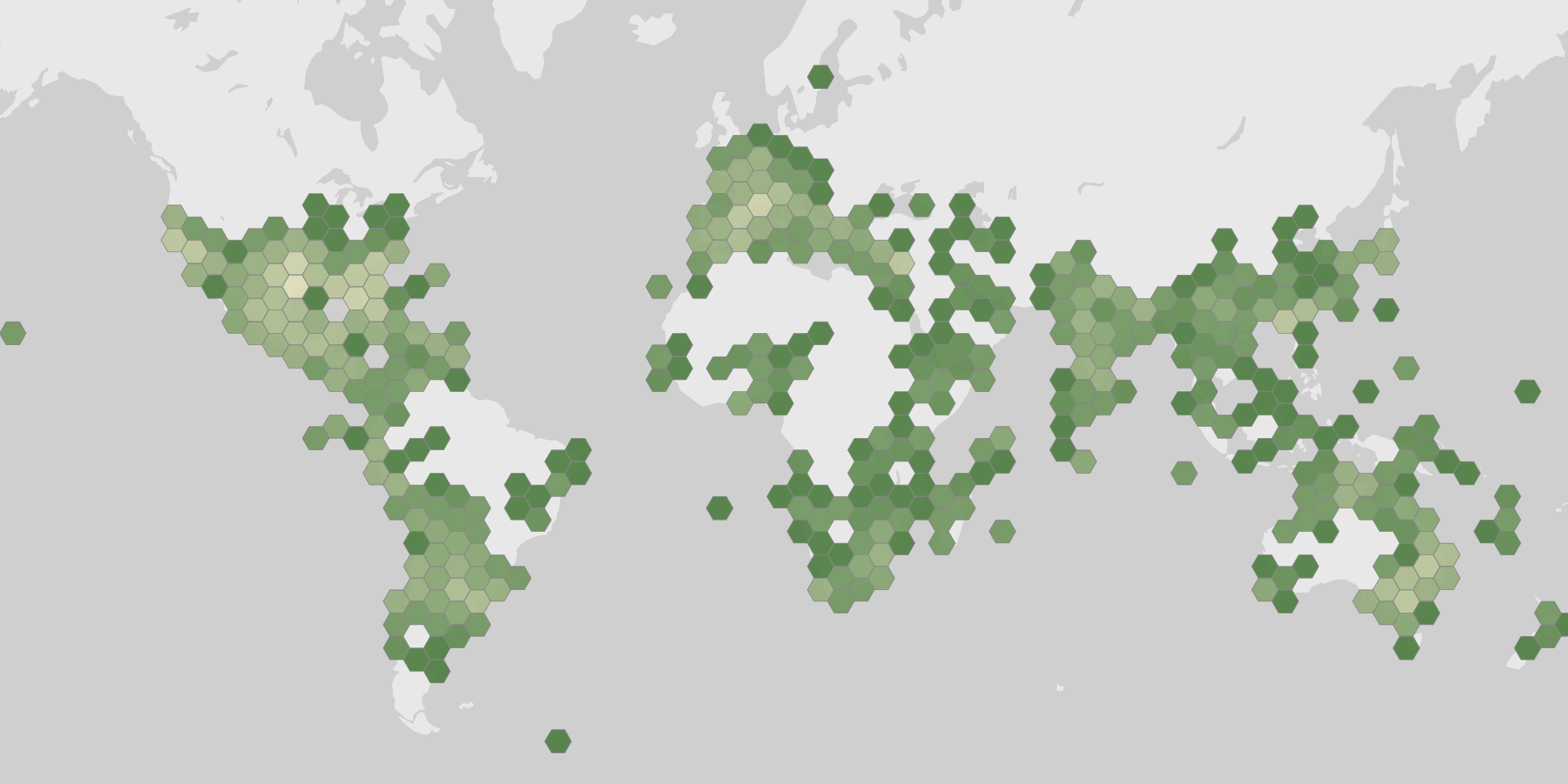
Phyla nodiflora has an extensive native range spanning North America, South America, Africa, Asia, and Australia, reflecting its classification as a tropical and subtropical species. It has also been introduced well beyond this range, including in parts of Europe, Hawaii, and several island territories.
The plant favors moist habitats with poorly to well-drained soils, commonly appearing as a weed along streambanks and in grassy places. It occurs across a notable elevation range, from about 300 to 2,300 meters.
Observation records show a seasonal pattern with counts rising through the spring and peaking in the summer months before tapering off toward winter, consistent with a period of greater visibility or activity during warmer months, though these figures reflect presence records rather than actual population size.
Growth and Form
Phyla nodiflora grows as a perennial or subshrub, forming a low, spreading habit typical of ground-covering plants. This growth form suits its role as a persistent, mat-like cover in the moist, often disturbed habitats it occupies.
Ecology and Relationships
Phyla nodiflora functions as a common nectar source within its habitat, drawing in a range of pollinating insects. It also serves as a host plant for various butterflies, including the white peacock, which relies on the plant during its life cycle.
The plant thrives in moist habitats with poorly to well-drained soils, conditions it needs to maintain the growth that supports these butterfly and nectar-seeking relationships.
Uses and Human Relationships
In traditional medicine, Phyla nodiflora has been recognized under the name Jalapippali and associated with treating coughs, colds, diarrhea, and various inflammatory skin disorders.
Beyond traditional use, the plant holds cultural interest through its ecological associations—the Phaon crescent butterfly, named after a boatman from Greek mythology, is frequently seen nectaring on its flowers, linking the plant to broader human fascination with the butterflies it attracts.
Fun Facts
- The plant goes by an unusually large number of common names, including lippia, kurapia, turkey tangle frogfruit, capeweed, and frogfruit.
- The Phaon crescent butterfly, often photographed on this plant's flowers, is named after Phaon, a boatman from Greek mythology described as old and unattractive—an ironic namesake for a butterfly admired for its beauty.
Photos
Photographs from via iNaturalist, licensed under CC0 1.0., by Karina M. Torres via iNaturalist, licensed under CC BY 4.0., by Linda Jo Conn via iNaturalist, licensed under CC BY 4.0., by Texas Bird Family via iNaturalist, licensed under CC BY 4.0., by Sam Kieschnick via iNaturalist, licensed under CC BY 4.0., and by Steve Pousty (TheSteve0) via iNaturalist, licensed under CC BY 4.0., credited on each photo.
Ecology and classification
Growth habit
- Subshrub
Classification
- Phylum
- Tracheophyta
- Class
- Magnoliopsida
- Order
- Lamiales
- Family
- Verbenaceae
- Genus
- Phyla
- Species
- Phyla nodiflora
Sources
- GBIF Species names and classification
- iNaturalist Photos
- Wikidata Common names and conservation status
- Wikipedia Summary extract
- Encyclopedia of Life Habitat, diet and behavior traits
- Plants of the World Online Native range, life form and climate (WCVP)