Few wild shrubs have climbed as far into folklore and heraldry as the dog rose, a thorny, scrambling plant native to Europe, northwest Africa, and western Asia.
Rosa canina is a deciduous, highly variable member of the rose family, using hooked prickles on its arching stems to climb through hedgerows and into the branches of taller shrubs and trees. It grows across a broad native range spanning three continents, and no conservation concern has been recorded for it.
What makes the dog rose worth a closer look is not just its pale pink summer blooms, but the tangle of ecology, folklore, and everyday use woven around a plant many people walk past without a second glance.
Identification and Appearance
The most useful field mark on the dog rose is its combination of hooked prickles and pinnate leaves with five to seven leaflets, which release a distinctive fragrance when bruised. As a deciduous shrub, it typically stands 1 to 5 meters tall, though its arching stems can scramble much higher into the crowns of taller trees when given support.
From June to July, the shrub produces sweetly scented flowers 4 to 6 centimeters across, with five petals ranging from pale pink to deep pink or white. Each flower shows a quincuncial arrangement of five sepals, and this is where the dog rose reveals a quirky diagnostic detail: two sepals are "whiskered" or bearded on both sides, two are smooth, and one is whiskered on only one side. The flowers carry ten or more pistils and numerous stamens.
By September and October, the flowers mature into oval hips 1.5 to 2 centimeters long, starting red-orange and darkening to black if left uneaten. These hips persist on the plant for an average of 64 days and contain about 18.1 seeds each; their flesh is roughly 65.2% water, among the lowest water content recorded in European fleshy fruits, with a dry weight that is 17.3% carbohydrate and 0.7% lipid.
The dog rose's form and flowers can be confused with two related wild roses, the fieldbriar (Rosa agrestis) and the sweetbriar (Rosa rubiginosa), making the sepal pattern one of the more reliable ways to tell it apart from its lookalikes.
Distribution and Habitat
The dog rose favors open, semi-natural habitats: it is most often seen scrambling through hedgerows, along woodland edges, and across scrubland and grassland. These settings give its climbing stems the structure they need to reach sunlight.
Presence data compiled from observation records shows a strong seasonal pattern, with reports climbing sharply from a low in February (5,290) to a pronounced peak in June (68,659), staying elevated through July and August before tapering off through the autumn and winter months. This pattern almost certainly tracks the plant's visible flowering period in June and July rather than any change in where it actually grows, since dormant winter shrubs are far less likely to be noticed and recorded.
These figures are presence observations only, not measures of abundance or a complete picture of the species' native range, so they should be read as a record of when people are noticing the plant rather than how common it truly is in any given month.

Ecology and Relationships
The dog rose supports and attracts a wide range of other organisms, not all of them beneficial to the plant itself. Aphids, leafhoppers, glasshouse red spider mite, scale insects, caterpillars, rose leaf-rolling sawfly, and leaf-cutting bees all make use of it, while rabbits and deer browse its buds and leaves despite the thorns.
The shrub is also vulnerable to rose rust, powdery mildew (Podosphaera pannosa), downy mildew (Peronospora sparsa), and is notably susceptible to honey fungus. Birds and other fruit-eating wildlife are the main agents of seed dispersal, though seeds can also travel in the hooves or fur of livestock or be carried along waterways. This dispersal ability has helped the dog rose become a recognized invasive plant outside its native range: it displaces native vegetation in New Zealand's high country, is classified as a weed in Australia where it shelters pests like foxes and rabbits and resists grazing, and is regarded as invasive in parts of the United States, where its size and capacity to regenerate from sprouts can obstruct the movement of livestock and vehicles.
Uses and Human Relationships
People have picked and eaten dog rose hips straight from the bush in autumn for generations, taking care to avoid the irritating hairs inside the fruit, and used them to make syrup, tea, jam, marmalade, pies, stews, and wine. The flowers, too, find their way into salads, candied sweets, and preserves in vinegar, honey, or brandy. In Poland, the petals are turned into a jam used to fill pączki doughnuts; in Bulgaria the hips become sweet wine and tea; and in Slovenia they are the basis of a popular drink called Cockta. During World War II, the plant was deliberately grown in American victory gardens, and it still grows across that country today along roadsides, in pastures, and in nature reserves.
Beyond the kitchen, the dog rose carries centuries of symbolic weight. It became the stylized rose of medieval European heraldry, serves as the county flower of Hampshire, and gives Ireland's County Leitrim its nickname, "The Wild Rose County." A famous specimen, the Thousand-year Rose at Hildesheim Cathedral, is said by legend to date back to the diocese's founding in 815. Since 1323, the Academy of Floral Games has gifted poets a sprig of dog rose to honor literary excellence, a tradition that helped cement its place in verse, including William Shakespeare's A Midsummer Night's Dream, where it appears under the older name "eglantine."
A nearly thornless cultivar, Rosa canina 'Assisiensis,' is traditionally linked to Saint Francis of Assisi, and the flower has appeared on postage stamps across Europe. An old riddle called "The Five Brethren of the Rose" even encodes its diagnostic five sepals, two bearded, two smooth, and one bearded on only one side, into verse.
Fun Facts
- European legend held that carrying a dried dog rosebud in one's pocket brought good luck and warded off misfortune.
- Celtic mythology tied the dog rose to the faerie realm, claiming its blossoms could grant wishes and fulfill dreams.
- In Greek mythology, the rose was a symbol of secrecy and silence, a visual reminder that certain conversations were meant to stay confidential.
- Ancient Greek and Roman mythology both associated roses heavily with love and beauty, ideas that followed the dog rose into the hedgerows and woodland edges where it still grows wild today.
Photos
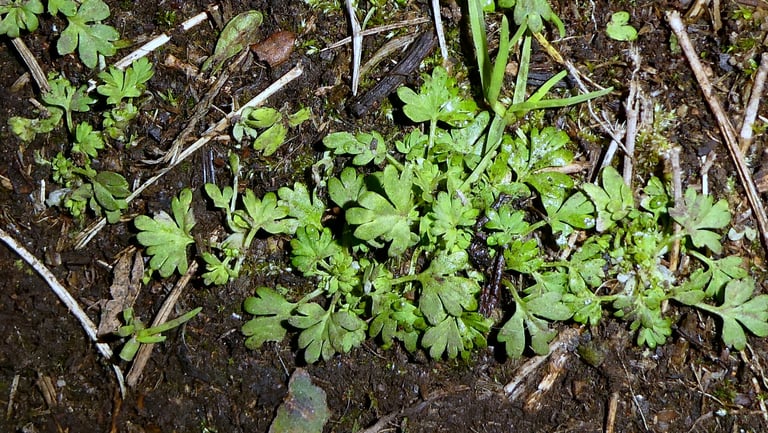
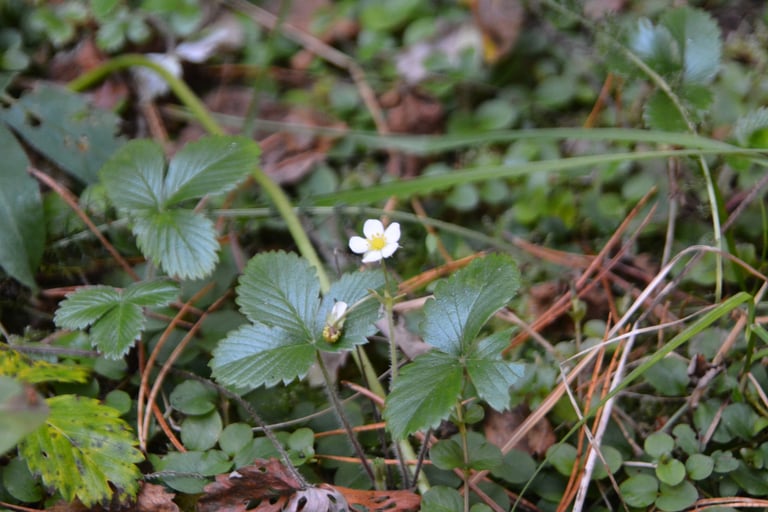
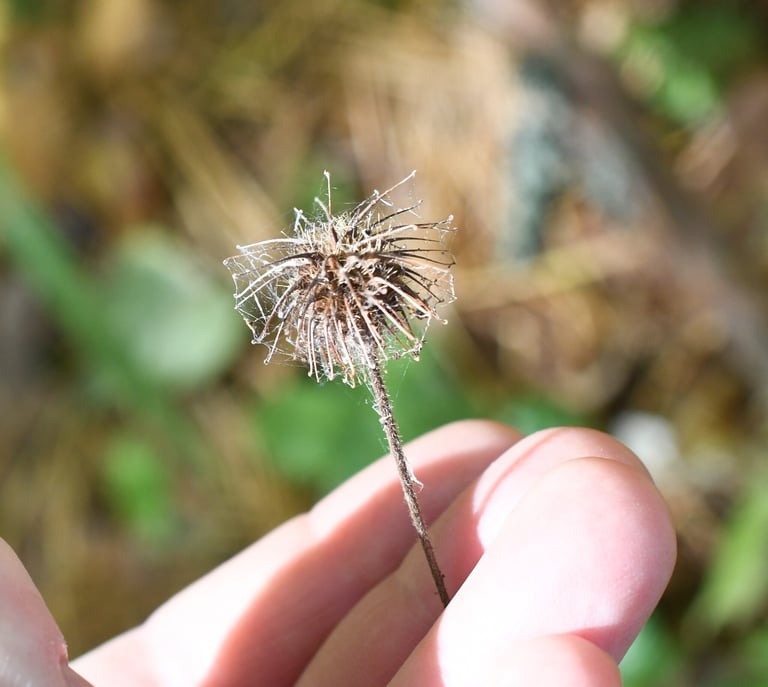
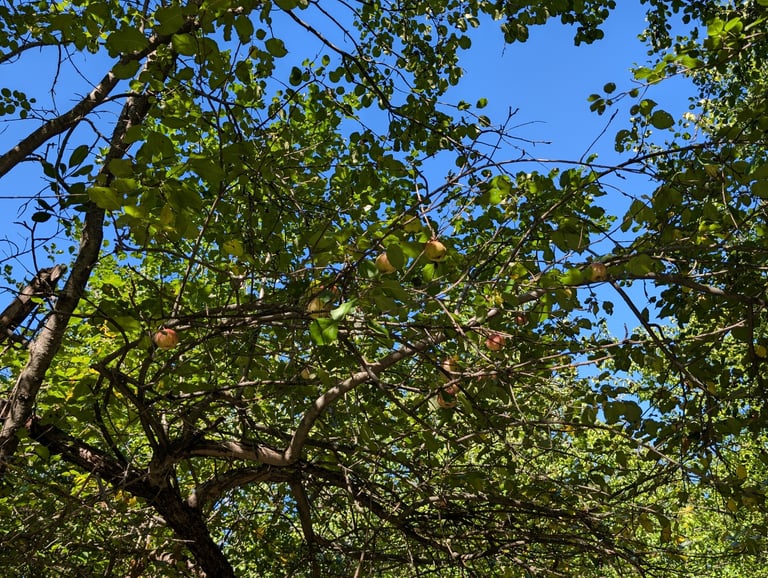
Photographs from via iNaturalist, licensed under CC0 1.0., by Jose Gutierrez Higa via iNaturalist, licensed under CC BY 4.0., and by Ксения Волянская via iNaturalist, licensed under CC BY 4.0., credited on each photo.
Ecology and classification
Classification
- Phylum
- Tracheophyta
- Class
- Magnoliopsida
- Order
- Rosales
- Family
- Rosaceae
- Genus
- Rosa
- Species
- Rosa canina
Sources
- GBIF Species names and classification
- iNaturalist Photos
- Wikidata Common names and conservation status
- Wikipedia Summary extract