Purple willow is a shrub or small tree that is native across Europe, western Asia and northwest Africa, and it has been planted far beyond that range. It is classed as Least Concern by the IUCN, both globally and in Britain.
In Britain it is known as purple willow. Gardeners grow it as an ornamental, and basket makers have long valued it. Its stems are the main reason it remains in cultivation and trade.
It grows in wetlands such as lake margins and river floodplains, where it forms part of the willow scrub that lines watercourses.
Identification and Appearance
The leaves are the most useful field mark. Unusually for a willow, they are opposite or almost opposite, narrowly oblong with a pointed tip, and 2 cm to about 10 cm long. Fresh leaves are a dull, pale green, and they turn black if the stems are harvested.
The plant is dioecious, so male and female catkins grow on separate plants. Catkins appear before the leaves in spring. They are narrowly cylindrical, usually upright, and about 3 cm long by 0.5 cm wide. Male catkins show red anthers that open to bright yellow pollen.
The twigs are slender, flexible and often yellowish or tinged with purple. The bark is greyish and smooth. The plant is entirely hairless apart from the catkins.
The fruit is a capsule about 4 mm long, with a plume of hairs at its base.
Distribution and Habitat
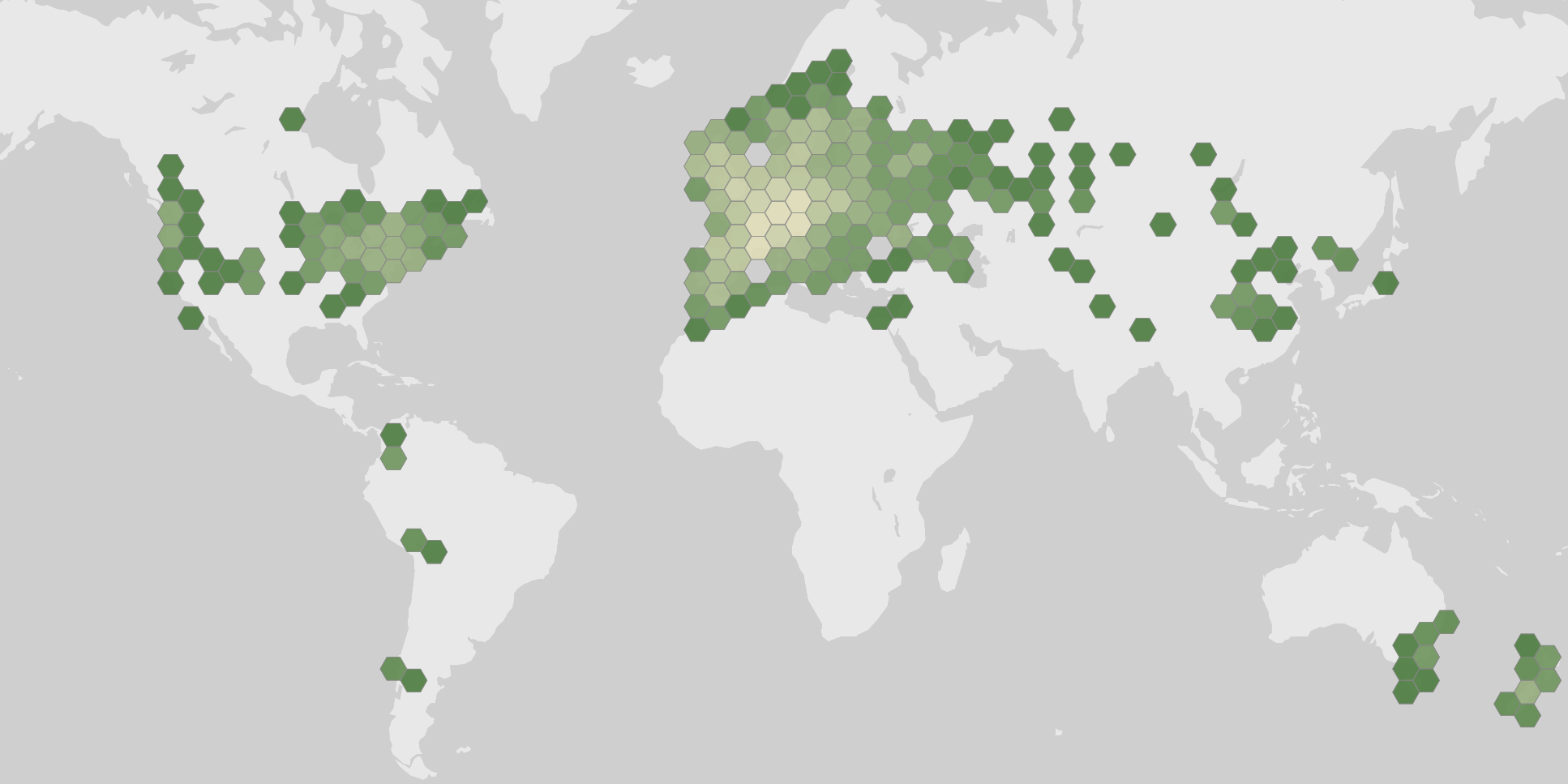
Purple willow is native to southern Europe and north Africa, reaching north to Denmark and east to Turkey and the Baltic states. Plants in western Russia are a different species in the Salix purpurea group.
Within its native range, it is most characteristic of Western Mediterranean purple willow scrub, which lines watercourses. In Britain and northern France it grows in riverside scrub. In the Meres and Mosses region of the Shropshire-Cheshire plain, it grows beside ancient glacial lakes in grey willow carr, sometimes in standing water.
It grows from sea level to 1,400 m in Britain, to 2,000 m in the Alps and Pyrenees, and up to 2,500 m in the Atlas Mountains. It needs bright sunlight, very wet soil, base-rich water and low fertility.
It has been introduced to many parts of the world, mostly as an ornamental, and it is naturalized in North American wetlands.
Growth and Form
Purple willow is a perennial shrub or small tree. It usually grows with numerous stems, and mature plants reach about 5 m tall.
Its shoots are thin and flexible, which makes them suitable for weaving.
Ecology and Relationships
Insects are the main visitors to its flowers. Mining bees of the genus Andrena are among the most frequent, along with the honey bee (Apis mellifera) and the bee Colletes cunicularius. Flies, moths and lacewings visit in smaller numbers. The flowers provide early-season nectar for insects.
Many insects feed on the plant. Leaf beetles, longhorn beetles and true bugs are the main groups that feed on its tissues, and some birds, mainly perching birds, eat these insects. The poplar hawkmoth's larvae feed on its leaves.
Several insects produce galls on it. The mite Euura salicispurpureae galls young shoots, and the midge Rabdophaga purpureaperda forms galls at shoot tips. Gall-forming sawflies such as Pontania vesicator and Pontania virilis are also among its parasites. Its roots form partnerships with arbuscular mycorrhizal fungi, including Entrophospora lamellosa and Diversispora epigaea.
Uses and Human Relationships
Purple willow has long been used for basket making. Its shoots, called withies, are harvested for that purpose, and the trade values the purple colour and the even thickness of the stems. The species is often called "Brittany Green" willow in that trade.
The weeping cultivar 'Pendula' has received the Royal Horticultural Society's Award of Garden Merit. The wood of this and other willows is used to make cricket bats.
Historical herbalists recorded medicinal uses for willows. Modern sources note that eating the plant can cause gastrointestinal bleeding, kidney damage and severe abdominal pain.
Conservation and Threats
The IUCN rates purple willow as Least Concern, both globally and in Britain. Its native range is wide, spanning southern Europe to north Africa.
In most British counties it is considered an axiophyte, a plant restricted to wetlands of high conservation value, whether it is native there or not. This makes it a useful indicator of valuable wetland habitat.
Britain may lie at the northern edge of its natural range, or the plant may have been introduced, as is thought to be the case in Scandinavia. Its status there is therefore uncertain.
Photos
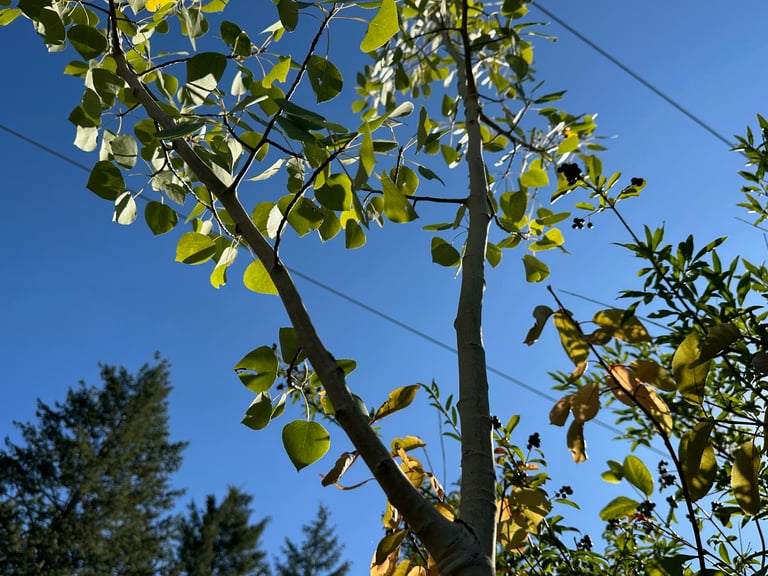
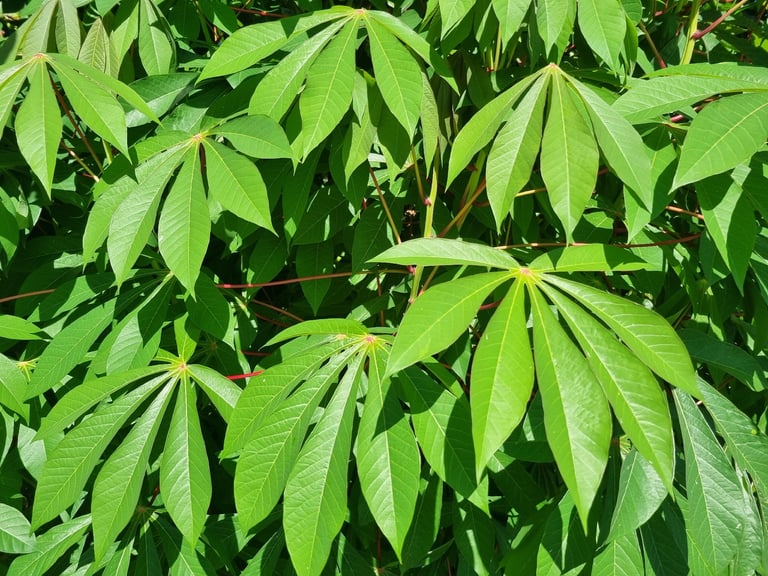
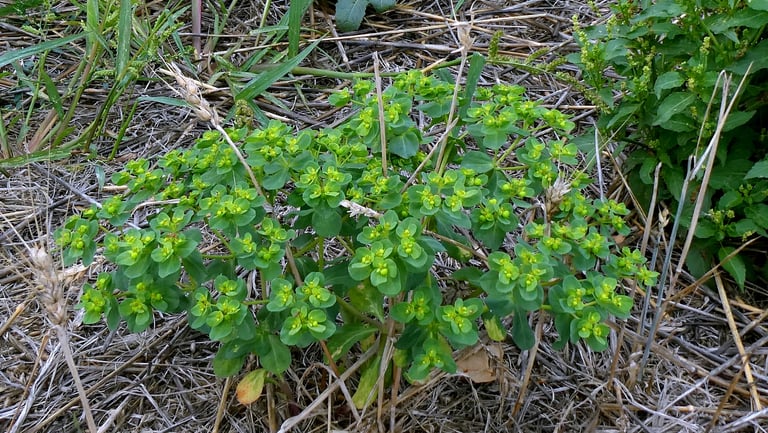
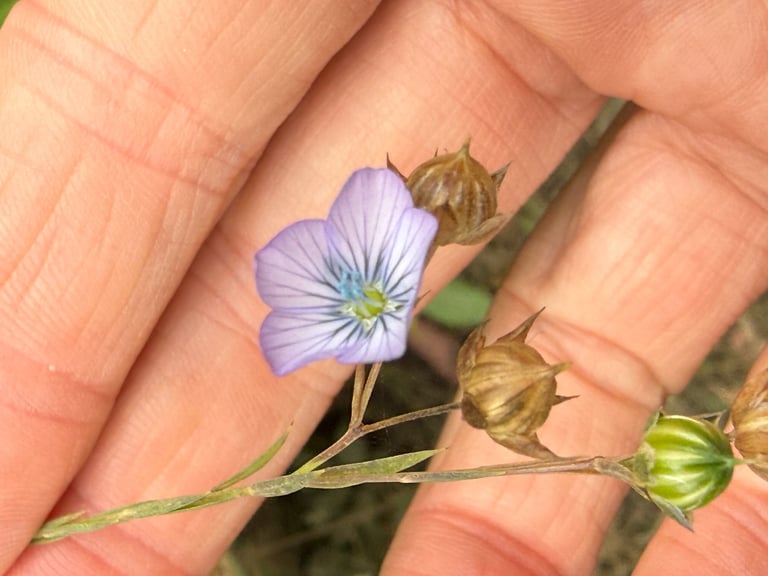
Photographs from via iNaturalist, licensed under CC0 1.0. and by Roger svk via iNaturalist, licensed under CC BY 4.0., credited on each photo.
Ecology and classification
Habitat
Growth habit
- Shrub
Classification
- Phylum
- Tracheophyta
- Class
- Magnoliopsida
- Order
- Malpighiales
- Family
- Salicaceae
- Genus
- Salix
- Species
- Salix purpurea
Sources
- GBIF Species names and classification
- iNaturalist Photos
- Wikidata Common names and conservation status
- Wikipedia Summary extract
- Plants of the World Online Native range, life form and climate (WCVP)
- USDA Plants US plants: growth habit and growing conditions
- GloBI What it eats, what eats it, parasites and pollinators
- trophiCH
- Wardeh et al. 2015 (EID2)
- DoPI
- GlobalAMFungi