The common winter damselfly is a slender insect that spends the cold months as an adult, a habit that sets it apart from most of its relatives. Sympecma fusca belongs to the family Lestidae and is closely related to the emeralds and spreadwings.
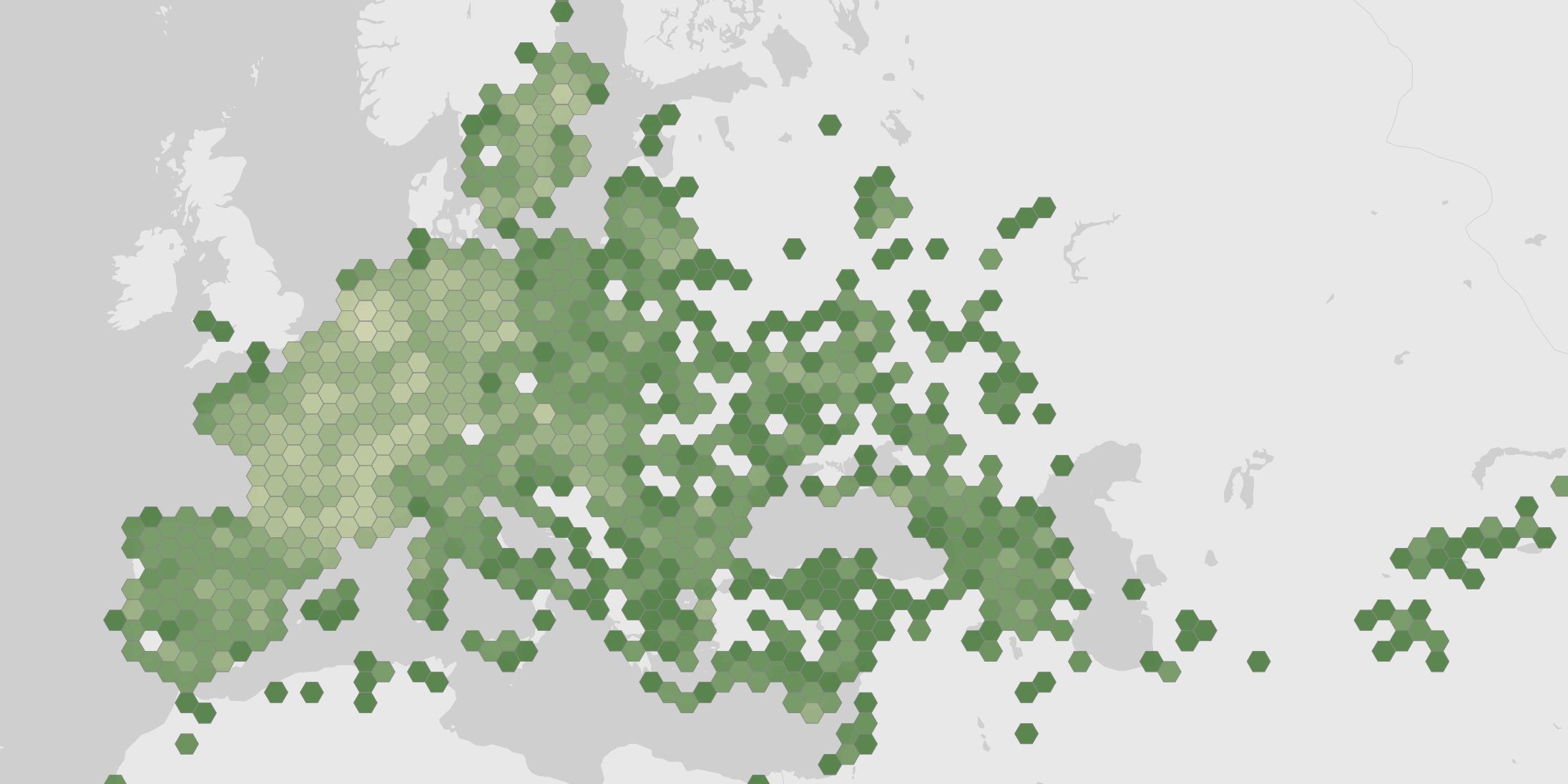
It is found across much of southern and central Europe and reaches into Asia, and it occurs around the Mediterranean, including North Africa and many Mediterranean islands. The IUCN assesses the species as Least Concern.
Identification and Appearance
The most useful field mark is the position of the wing spots. The pale brown pterostigma sit nearer the wing tip on the forewing, so both pairs can be seen with the wings closed. Other damselflies have them overlapping, which makes this feature easy to check in the field.
Adults reach about 38 millimeters (1.5 inches) in length. The species lacks the bright blue or red colors typical of many damselflies and the metallic emerald sheen of Lestes, so it is often overlooked.
Overwintered males differ in appearance. Their pterostigma turn dark brown, and many develop blue eyes.
Where Sympecma fusca flies alongside Sympecma paedisca, the two can be told apart only by close examination in the hand, preferably under magnification. Males differ in the shape of their anal appendages, and both sexes show subtle differences in the markings on the thorax.
Distribution and Habitat
The species ranges through much of southern and central Europe, and into Asia, where it is replaced by Sympecma paedisca. Around the Mediterranean it occurs in Europe, North Africa and on many islands.
It lives in all types of standing water, including brackish water. Adults become less tied to water later in the year and move into open habitats.
In winter, adults sit on dry plant stems away from water, usually in open grassland and heaths.
Britain has only two records. One is from southeast Wales in December 2008, and the other is from Wildern Local Nature Reserve in Hedge End in May 2022. Observations across the year peak in late summer and in May.
Behavior and Lifestyle
Adults are present all year because they overwinter as adults. They usually blend in with the dried grass stalks where they shelter, and they rest with their wings held alongside the body.
In spring, mating pairs stay in tandem while the females lay eggs in floating vegetation. Most breeding activity happens in April and May. The eggs hatch, and the larvae develop rapidly over about two months.
When the adults emerge, they leave the water and move to heath or grassland, often a long way from any pond or stream. There they settle among dried plant stems to spend the winter hidden.
Diet and Nutrition
Adults feed mainly on flies. Several midge species are among the most important prey, including Limonia macrostigma, Microtendipes chloris and Paramerina cingulata. Their diet is built on small flying insects that are abundant near the water and the grassland where the adults live.
Mayflies and moths and butterflies are less common in the diet. Other fly species, including several Ablabesmyia midges and the agromyzid leaf miner flies, are taken only occasionally.
Population and Ecological Role
Dippers (Cinclus cinclus) are the partner that stands out among the predators of this damselfly. Songbirds, spiders, dragonflies and freshwater turtles also prey on it, so it feeds several different animal groups.
Because its larvae develop in water and its adults spend the winter in grassland and heath, the damselfly connects aquatic habitats with the dry land around them. Its prey and predators span both environments.
Photos
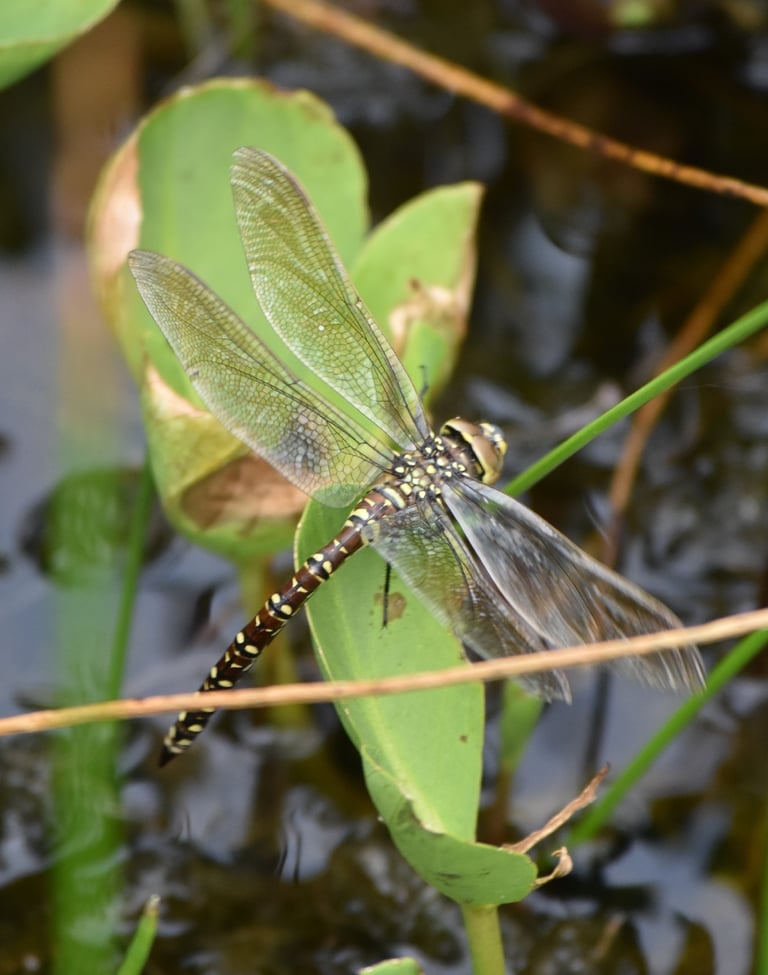
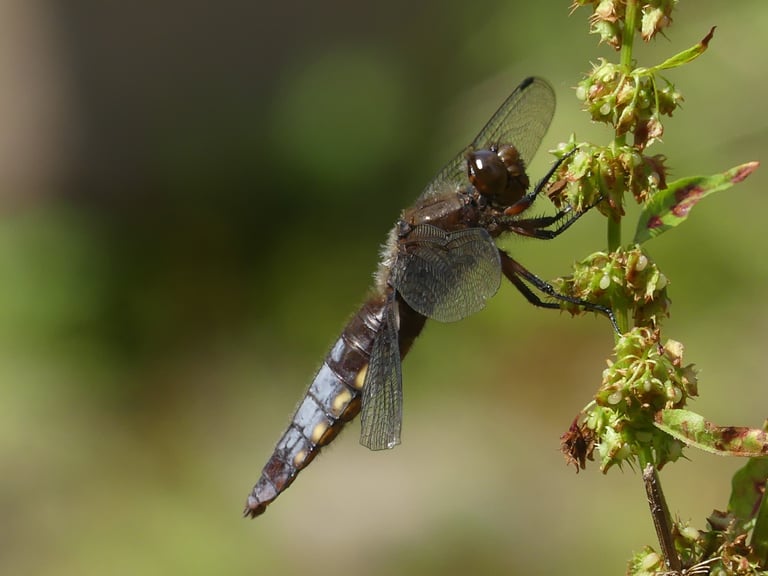
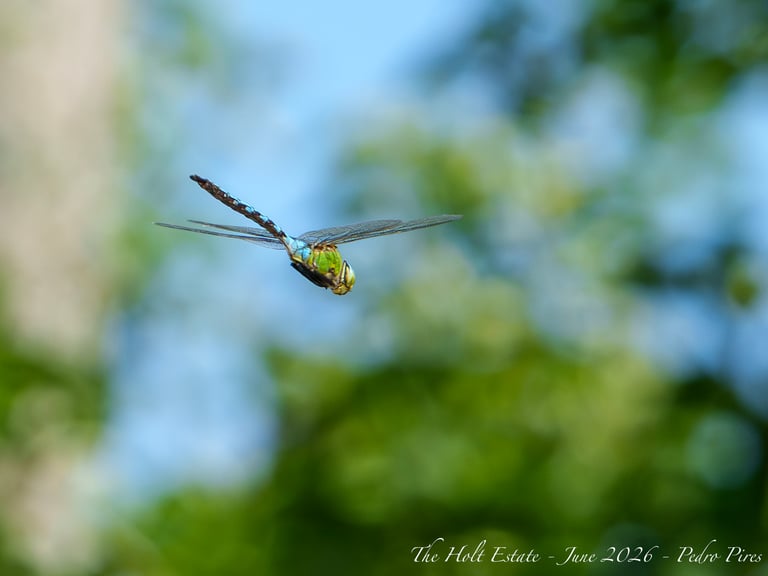
Photographs from via iNaturalist, licensed under CC0 1.0., by Aurelijus Narbutas via iNaturalist, licensed under CC BY 4.0., by Юрий Данилевский (Yuriy Danilevsky) via iNaturalist, licensed under CC BY 4.0., by Mykola Borysenko via iNaturalist, licensed under CC BY 4.0., by J. H. via iNaturalist, licensed under CC BY 4.0., and by Kai Löhr via iNaturalist, licensed under CC BY 4.0., credited on each photo.
Ecology and classification
Habitat
Diet
- Insectivore
Classification
- Phylum
- Arthropoda
- Class
- Insecta
- Order
- Odonata
- Family
- Lestidae
- Genus
- Sympecma
- Species
- Sympecma fusca