Its common name, Jack-go-to-bed-at-noon, comes from an odd habit: the flowers open only in the morning sunshine and close again by midday.
Tragopogon pratensis is a biennial plant in the daisy family, Asteraceae, flowering between June and October. It grows across Europe and North America, favoring open, disturbed ground.
Beyond its clockwork blooming, the plant is notable for its grasslike leaves, unusual among dandelion-type flowers, and for the large, spidery seed head it produces once the flowers fade.
Identification and Appearance
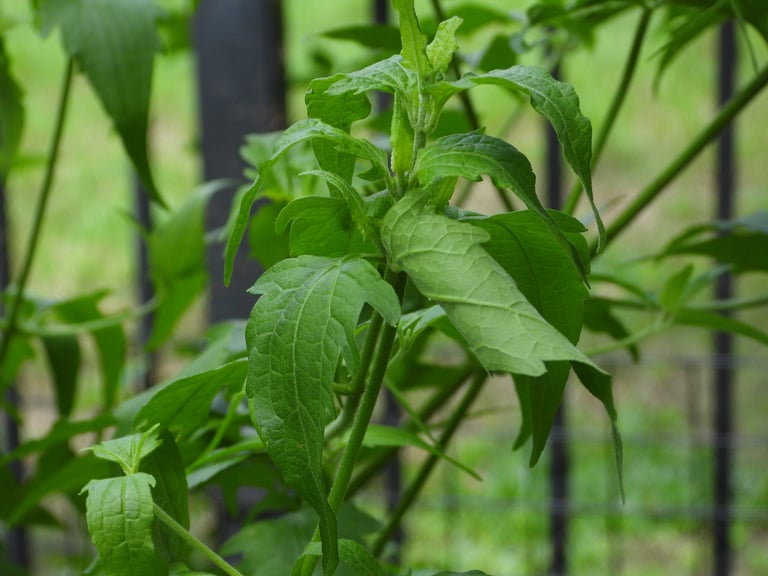
The single most useful field mark is its grasslike, grey-green foliage, a trait that sets it apart from other dandelion-type flowers in the United Kingdom, where it is described as the only one with leaves of this shape.
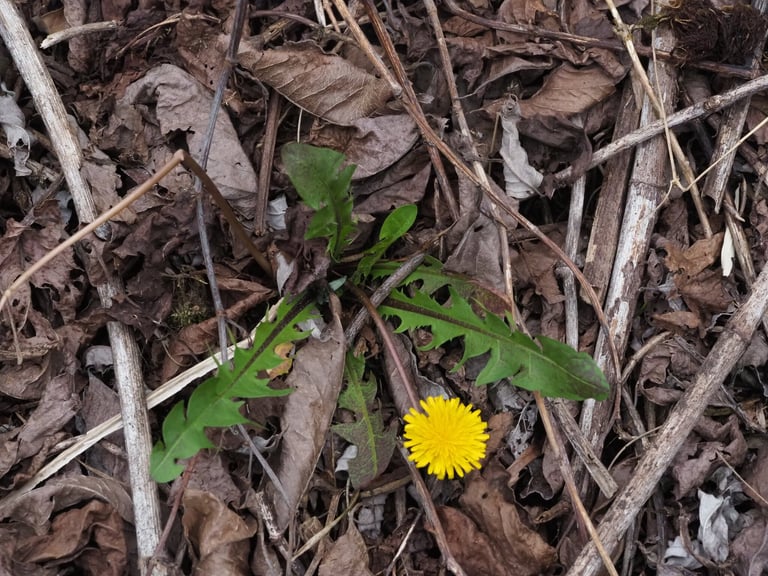
The plant grows up to 76 centimeters tall. Its lower leaves reach 10 to 30 centimeters long, lanceolate, keeled lengthwise, pointed, hairless, and marked with a white midrib; the upper leaves are shorter and more erect.
The flower heads, on display between June and October, are yellow and 15 to 25 millimeters wide, opening only in morning sunshine. After flowering, the achenes form a long-beaked pappus with fine white side hairs, woven together like a spider's web into what is called a "blowball."
It can be told apart from viper's-grass (Scorzonera humilis) by its bracts: viper's-grass has short, pale green bracts, while Tragopogon pratensis has ones that are long and pointed.
Distribution and Habitat
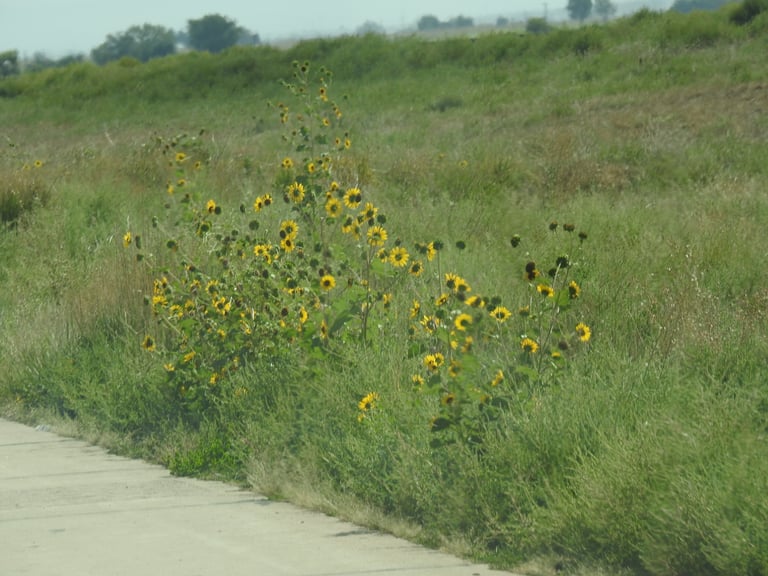
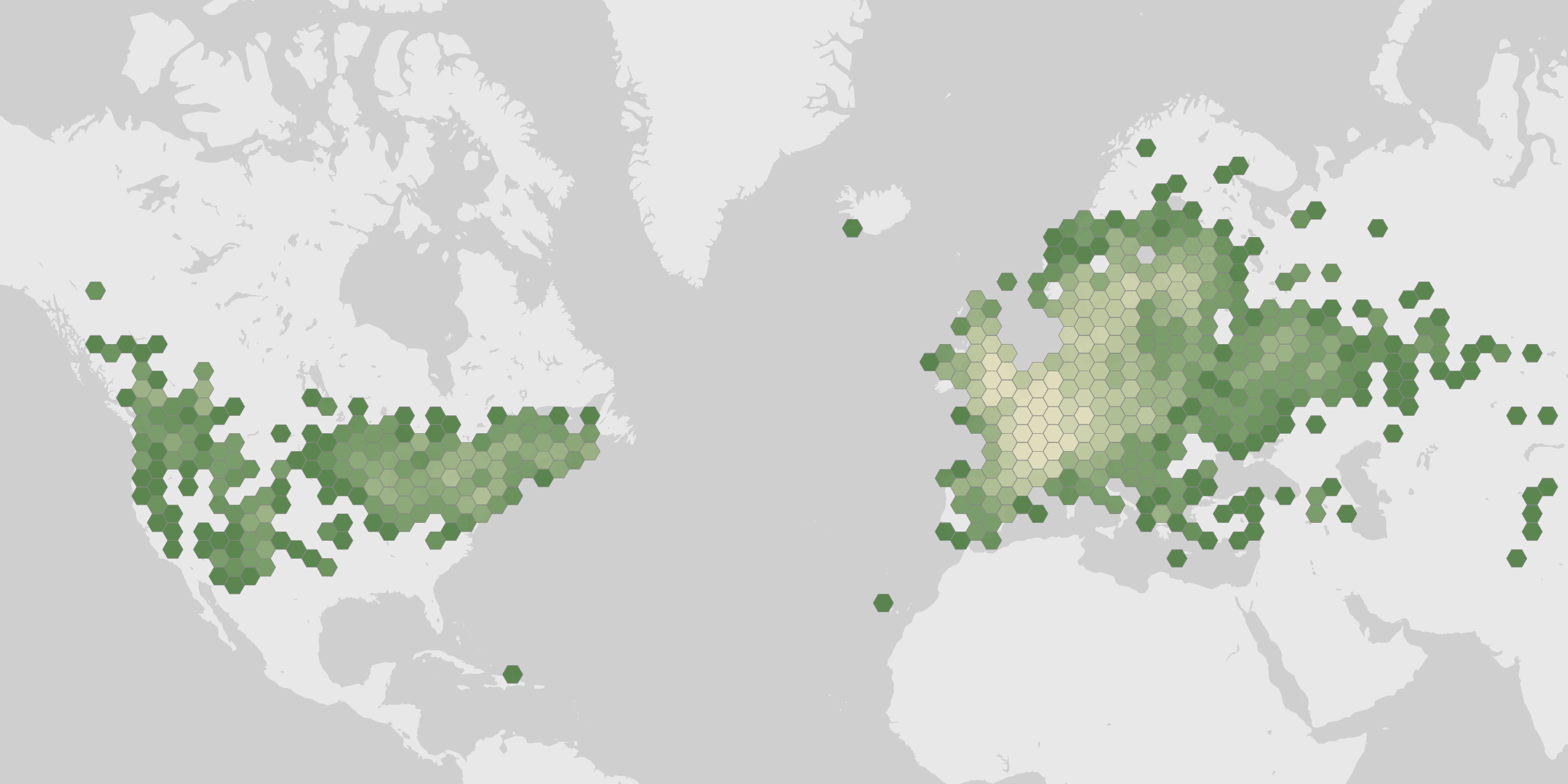
Tragopogon pratensis is distributed across Europe and North America, commonly growing in fields, hence part of its name, and along roadsides. In North America it occurs from southern Ontario to Massachusetts, while in the British Isles it is found across most of England, the eastern and southern edges of Scotland, and central Ireland, though not along its coastal edges.
Its native range spans Europe into central Asia and Türkiye, including countries from Spain and France to Kazakhstan and the Baltic states, within a temperate climate. It has also been introduced widely across North America, from British Columbia and California to Quebec and Newfoundland, as well as into the West Himalaya.
Monthly observation counts show a pronounced peak from May through July, consistent with its June-to-October flowering period, though these figures reflect presence observations rather than actual population size or abundance.
Growth and Form
Tragopogon pratensis is a biennial herb, completing its life cycle over two growing seasons before flowering and setting seed.
Ecology and Relationships
The flower heads attract a range of insect visitors, most notably bumblebees (Bombus) and hoverflies such as Sphaerophoria scripta and Episyrphus balteatus, alongside various solitary bees including Andrena and Halictus species, though a visit to the flower is not itself proof of pollination.
The plant also supports a range of animals that feed on it, most prominently finches and other seed-eating birds such as the Eurasian bullfinch, common redpoll, and Eurasian skylark, as well as gamebirds like the rock partridge and waterfowl including mallards and greylag geese. Among insects, the moth Amphipyra tragopoginis and the aphid Brachycaudus tragopogonis are recorded feeding on it, the aphid's name reflecting its close association with the genus Tragopogon.
Uses and Human Relationships
People have long used Tragopogon pratensis as a foraged food plant. Its roots can be boiled and eaten like potatoes, while the fresh stems and buds can be cooked in a manner similar to asparagus, and the young leaves can be eaten raw.
Fun Facts
- Its common name, Jack-go-to-bed-at-noon, refers to the flowers closing by midday, even though they only fully display between June and October.
- It is also known by the names meadow salsify, showy goat's-beard, and meadow goat's-beard.
- Its seed head, or "blowball," is formed from a long-beaked pappus with fine white hairs interwoven like a spider's web.
Photos
Photographs from via iNaturalist, licensed under CC0 1.0., by Tanner Barnharst via iNaturalist, licensed under CC BY 4.0., by Shaan Aroeste via iNaturalist, licensed under CC BY 4.0., by Wendy McCrady via iNaturalist, licensed under CC BY 4.0., by Hildegard Klein via iNaturalist, licensed under CC BY 4.0., by 振远 王 via iNaturalist, licensed under CC BY 4.0., by Мирослав Соболев via iNaturalist, licensed under CC BY 4.0., by Johnathan Campbell via iNaturalist, licensed under CC BY 4.0., by Daughter Dad via iNaturalist, licensed under CC BY 4.0., and by rosaceae_roberts via iNaturalist, licensed under CC BY 4.0., credited on each photo.
Ecology and classification
Habitat
Growth habit
- Herb
Classification
- Phylum
- Tracheophyta
- Class
- Magnoliopsida
- Order
- Asterales
- Family
- Asteraceae
- Genus
- Tragopogon
- Species
- Tragopogon pratensis
Sources
- GBIF Species names and classification
- iNaturalist Photos
- Wikidata Common names and conservation status
- Wikipedia Summary extract
- Plants of the World Online Native range, life form and climate (WCVP)
- GloBI What it eats, what eats it, parasites and pollinators
- trophiCH
- Schwarz et al. 2021
- EuPPollNet