Nearly every loaf of bread on Earth traces back to a single species: about 95% of the wheat grown worldwide is Triticum aestivum, making it the most widely cultivated crop on the planet and the cereal with the highest monetary yield of any grain.
Known commonly as bread wheat or common wheat, it belongs to the grass family and is grown almost exclusively as a cultivated crop rather than found wild. Its improbable origin as a hybrid, followed by its rise to dominate global agriculture, makes it one of the most consequential plants humans have ever domesticated.
Identification and Appearance
Triticum aestivum is best recognized not by a single wild-growing form but by its identity as a domesticated hybrid cereal, distinct from its ancestral goatgrass and earlier free-threshing wheats that gave rise to it. Because the species developed through crossbreeding roughly 8,000 years ago rather than through gradual wild divergence, its identity is defined largely by its cultivated status and its dominance in global grain production rather than by conspicuous physical extremes.
As bread wheat, it belongs to the grass family and is grown almost universally in cultivation, which is itself a distinguishing feature: unlike many crop relatives, it is rarely encountered outside farmed fields.
Distribution and Habitat
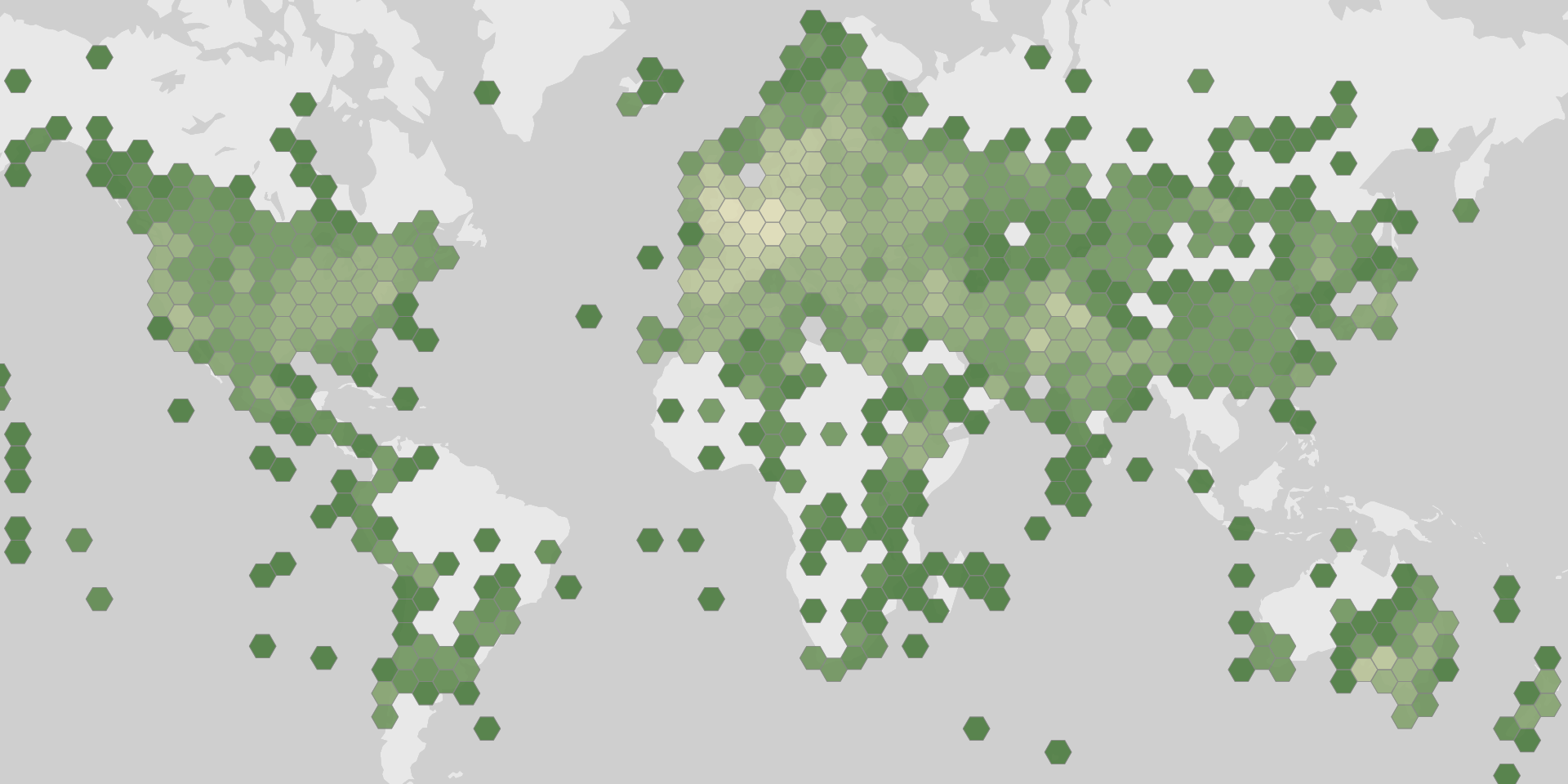
Common wheat is grown almost exclusively under cultivation, typically found in fields alongside other grasses of the genera Hordeum and Triticum, at elevations below 3,500 meters. It is not a species that persists readily outside agricultural settings.
Observation data collected across the year show a pronounced concentration of records from May through August, peaking sharply in June with over 41,000 recorded observations, compared to only a few thousand in the winter months. This pattern likely reflects the timing of the growing and harvest season in the regions where wheat is most intensively cultivated, though the counts represent presence records rather than a measure of total abundance or population size.
The habitat data available describe cultivated cropland rather than a natural range, consistent with a species whose spread across the globe has been driven almost entirely by agricultural planting rather than natural dispersal.
Reproduction and Life Cycle
Modern wheat's reproductive and growth traits have been reshaped deliberately through plant breeding, most notably through the introduction of RHt dwarfing genes in the 1960s. These genes, brought into common wheat varieties by Norman Borlaug from Norin 10 cultivars grown in Japan, reduce the plant's sensitivity to gibberellic acid, a hormone responsible for cell elongation.
The practical effect is a shorter, sturdier stem. Without this trait, heavy applications of chemical fertilizer would cause stems to grow too tall and collapse under their own weight, a failure known as lodging. The RHt genes also produce more even stem heights across a field, a uniformity that proved essential for the mechanical harvesting techniques that define industrial wheat production today.
Uses and Human Relationships
Wheat has fed and shaped human civilizations for thousands of years, first spreading from its origin near the South Caucasus into North Africa, Europe, and East Asia during prehistoric times. Naked, free-threshing wheats including Triticum aestivum have been recovered from Roman burial sites dating between 100 BCE and 300 CE, evidence of its deep entrenchment in ancient diets.
The crop reached North America with Spanish missions in the 16th century, but its role as a major global export grain only took off with the colonization of the prairies in the 1870s. Its geopolitical weight became clear during World War I: when grain exports from Russia stopped, wheat production in Kansas doubled to help fill the gap.
Beyond food for direct human consumption, wheat serves as animal feed and supplies material for biofuels and textiles. Its cultural resonance runs deep as well; ancient Greek and Roman societies held sacred festivals honoring wheat's association with the goddess Demeter, tying the crop to themes of fertility and the cycle of life and death, a symbolism the cultural record links even to ancient Egypt.
Industrially, bread wheat has proven so well suited to modern baking that it has largely displaced other wheat species, along with barley and rye, that were once staples of bread-making across Europe.
Fun Facts
- Wheat's cultivated history reaches back to around 10,000 BCE in the Fertile Crescent, where early farmers in Mesopotamia first took notice of its wild relatives.
- Early Sumerian clay tablets reference a bread called "gu-za," and by 3000 BCE ancient Egyptians were baking leavened loaves, cementing wheat's cultural prestige in the ancient world.
- The species' full scientific name, Triticum aestivum L., is also used in health science literature when referring to common wheat.
- Ancient Greek and Roman festivals celebrated wheat as sacred, offering it to deities in rituals tied to fertility and renewal.
Photos
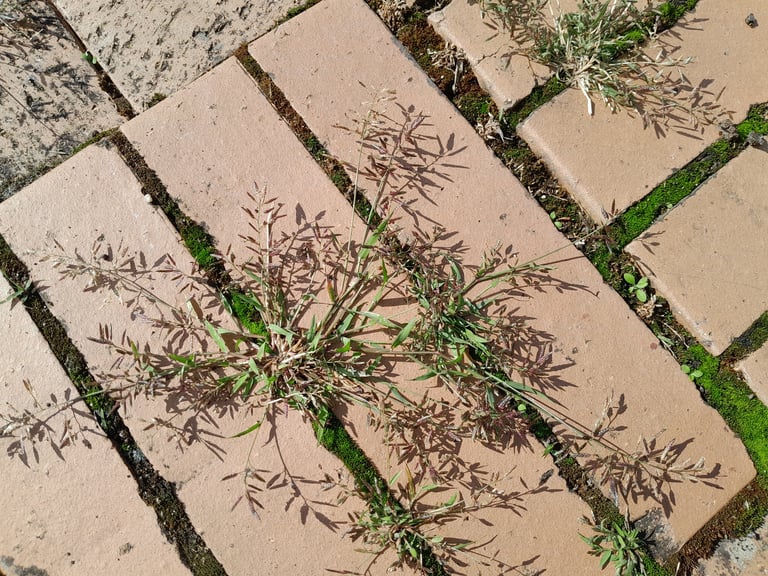
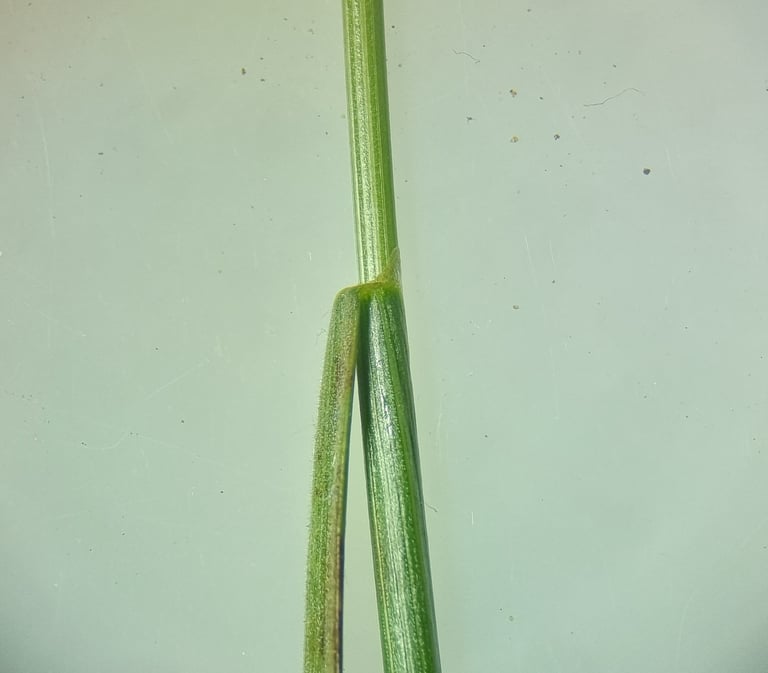
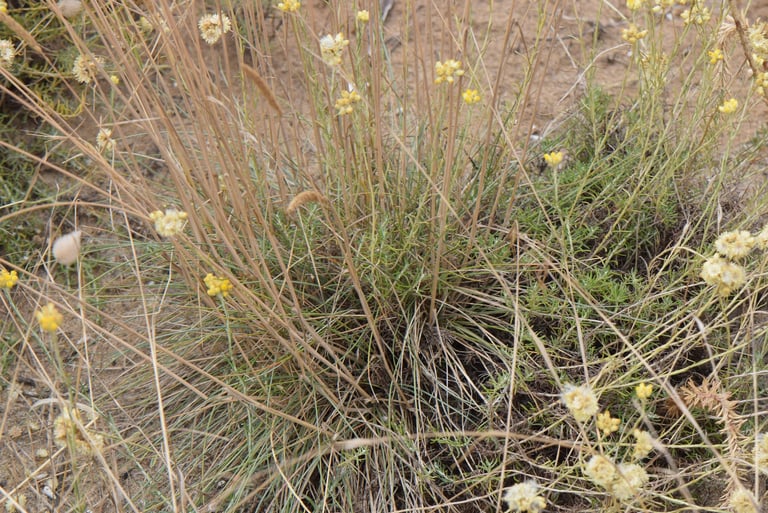
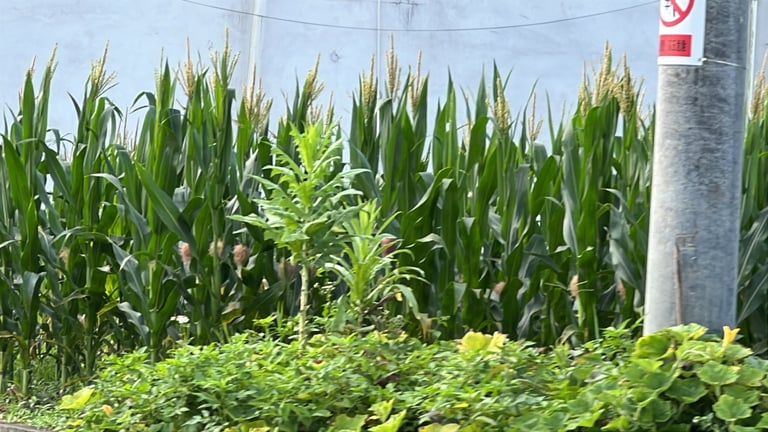
Photographs from via iNaturalist, licensed under CC0 1.0., by Corvi Zeman via iNaturalist, licensed under CC BY 4.0., by chrisdt via iNaturalist, licensed under CC BY 4.0., by zebedeugalinha via iNaturalist, licensed under CC BY 4.0., by Jose Gutierrez Higa via iNaturalist, licensed under CC BY 4.0., by jamie-aa via iNaturalist, licensed under CC BY 4.0., by Barry Cottam via iNaturalist, licensed under CC BY 4.0., and by Maxton Strait via iNaturalist, licensed under CC BY 4.0., credited on each photo.
Ecology and classification
Growth habit
- Graminoid
Classification
- Phylum
- Tracheophyta
- Class
- Liliopsida
- Order
- Poales
- Family
- Poaceae
- Genus
- Triticum
- Species
- Triticum aestivum
Sources
- GBIF Species names and classification
- iNaturalist Photos
- Wikidata Common names and conservation status
- Wikipedia Summary extract
- Encyclopedia of Life Habitat, diet and behavior traits