
Cycadopsida · Cycadales
Bread Palm
Encephalartos altensteinii
VulnerableAlso known as: Bushman's River Cycad, Eastern Cape Cycad, Eastern Cape Giant Cycad, Giant Eastern Cape Cycad, prickly cycad
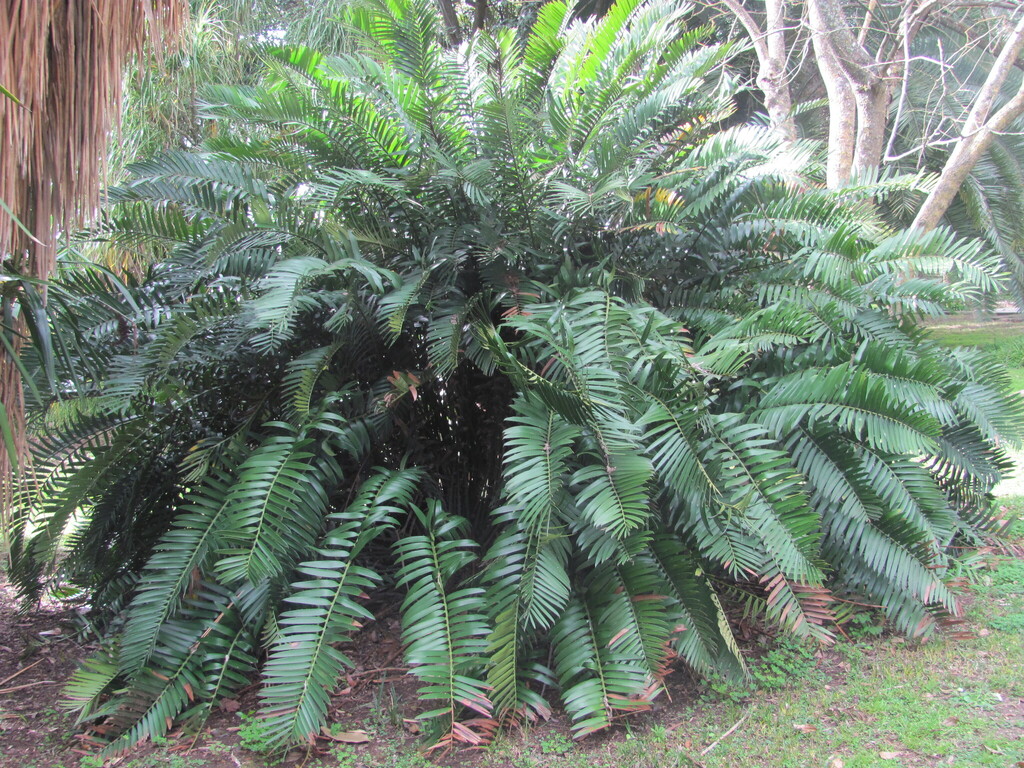
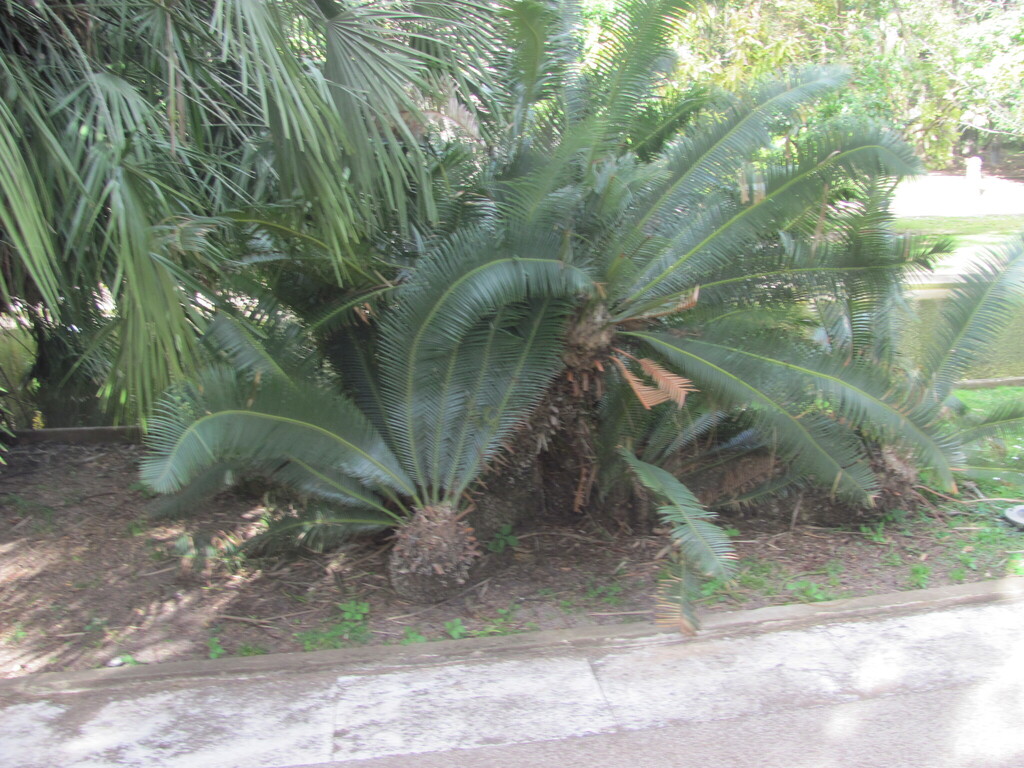
© zebedeugalinha · iNaturalist · CC BY 4.0
Scientific Classification & Quick Facts
Classification
Known For
Detailed measurements for this species are still being verified.
The Bread Palm is a striking cycad that defies the typical image of a palm tree. With its robust trunk crowned by stiff, pinnate fronds, Encephalartos altensteinii belongs to an ancient lineage of seed plants that thrived alongside dinosaurs. Found across eight countries in southern Africa, this species has long been valued by indigenous peoples for its starchy seeds—a survival food that gave the plant its common name. Today, its populations face mounting pressure from habitat loss and illegal collection, earning it a Vulnerable conservation status on the IUCN Red List.
What makes the Bread Palm especially significant is its ecological resilience and cultural importance. The species occupies diverse habitats across its range, from coastal dunes to inland forests, and its ability to persist in fragmented landscapes demonstrates both adaptability and vulnerability. Understanding this cycad’s ecology and distribution is crucial for effective conservation, as it represents both a botanical treasure and a window into the deep history of plant evolution.
Identification and Appearance
Encephalartos altensteinii is a robust cycad that grows up to 7 metres in height, with specimens developing either a single trunk or multiple branches from the base. The plant is instantly recognizable by its large, pinnate leaves that grow up to 3 metres in length, arranged in a dense crown at the apex of the stem. The individual leaflets are rigid and notably broad, with one or both margins distinctly toothed—a feature that lends the plant its characteristic appearance. A key distinguishing feature is the complete absence of prickles at the base of the leaf, which separates E. altensteinii from its close relative E. natalensis.
Cones and Sexual Dimorphism
The species displays clear sexual dimorphism through its reproductive cones. Male and female plants produce cones that are greenish-yellow in colour and can reach up to 50 centimetres in length. Typically, the plant produces two to five cones per reproductive cycle. The female cones are particularly distinctive, with their scales covered in prominent protuberances that give them a roughened, bumpy texture. Male cones appear smoother by comparison. Both cone types are poisonous and should not be ingested.
Distribution and Habitat
Encephalartos altensteinii, the Bread Palm, occurs across eight countries, with the vast majority of records concentrated in South Africa, where 124 occurrences have been documented. This geographic pattern reflects the species’ primary natural range in the region. Small populations or cultivated specimens have been recorded in the United States, Portugal, El Salvador, Norway, New Zealand, Australia, and Brazil, indicating limited distribution outside its native range.
The species tolerates a wide elevation range, from 5 metres to 1,300 metres above sea level, with an average elevation of approximately 645 metres. This broad altitudinal span suggests the Bread Palm adapts to diverse topographic conditions across its range, though specific habitat preferences remain undocumented in available records.
Observation records show seasonal variation, with peak activity in April. Monthly occurrences peak at 22 records in April, with secondary peaks in August (18 records) and March (15 records), suggesting increased visibility or reproductive activity during these periods. Winter months (June and July) show lower observation counts, reflecting either reduced seasonal activity or fewer field surveys during these times.
Growth and Cultivation
Growth
Encephalartos altensteinii, commonly known as the Bread Palm, is a slow-growing cycad that develops a distinctive trunk over many decades. The plant eventually reaches a moderate height, though exact mature dimensions depend on growing conditions and age. Like other cycads, this species exhibits a columnar growth habit with fronds that radiate from the crown, creating an architectural form valued in ornamental collections.
The foliage consists of pinnate fronds that emerge sequentially throughout the growing season. New growth appears as tightly coiled croziers that gradually unfurl. The slow accumulation of frond scars on the trunk creates the characteristic ribbed texture typical of mature cycads.
Flowering and Reproduction
Encephalartos altensteinii reproduces through both male and female cones. The plant is dioecious—individual specimens bear either pollen cones or seed cones, never both. Reproductive maturity is reached only after many years of growth, making sexual propagation a lengthy process. The cones emerge from the crown and develop over an extended period before releasing pollen or developing mature seeds.
Seed production in female plants results in large, colourful seeds that are dispersed naturally or collected for propagation. Seeds retain viability for a limited time and benefit from proper storage conditions. Germination typically occurs within weeks under warm, moist conditions, producing a small seedling with a characteristic basal bulb.
Cultivation
Bread Palms thrive in well-drained soil and require full to partial sun for optimal growth. The species prefers warm climates and performs best in sheltered locations protected from strong winds and frost. In cooler regions, container cultivation allows gardeners to move plants to protected areas during winter months.
Water requirements are moderate; the plant tolerates dry periods once established but benefits from regular watering during the growing season. Overwatering poses a greater risk than drought and should be avoided, particularly during cooler months when growth slows. Fertilization with a balanced, slow-release formula supports steady development without promoting excessive soft growth.
Conservation and Threats
Encephalartos altensteinii, the Bread Palm, is classified as Vulnerable on the IUCN Red List. This status reflects genuine concern about the species’ long-term survival, though the population trend is currently increasing. The classification indicates that the species faces meaningful threats in the wild but retains sufficient populations and habitat to recover if those threats are reduced.
Threats
Habitat destruction remains the primary threat to Bread Palm populations. Loss of native forest and woodland habitat through clearing for agriculture, urban development, and land conversion directly reduces the area where wild plants can grow and reproduce. This is exacerbated by the species’ naturally restricted range, which leaves it vulnerable to localized disturbances.
Removal by collectors poses a significant secondary threat. The Bread Palm’s distinctive appearance, slow growth rate, and horticultural appeal make it attractive to plant collectors, both commercial and private. Unsustainable harvesting of wild plants—including removal of individuals for the ornamental trade—diminishes wild populations and disrupts age structure and reproductive dynamics within remaining communities.
Traditional medicine use also drives collection pressure. Local and regional demand for the plant for medicinal purposes removes specimens from the wild, particularly mature plants with established root systems that may be preferentially targeted.
Conservation Efforts
The Bread Palm benefits from legal protection in several regions where it occurs naturally, including listing on national endangered species schedules. The species is represented in botanical gardens and specialist cycad collections worldwide, which helps secure the genetic diversity of the species and provides insurance against extinction in the wild. These ex situ populations also serve educational and research functions.
Cultural Significance
Encephalartos altensteinii holds cultural significance for the indigenous people of South Africa, reflecting the deep connection between this ancient cycad and local communities. The plant’s role in traditional contexts extends beyond its physical presence in the landscape, connecting human heritage with one of the world’s oldest plant lineages.
Today, the species faces intense pressure from illegal collection, driven largely by demand in the horticultural trade. In 1995, authorities arrested a cycad smuggler attempting to transport two tractor-trailers full of Encephalartos altensteinii, illustrating the scale of poaching threats. This illegal activity undermines both conservation efforts and the cultural stewardship practices of indigenous communities who have long inhabited the species’ native range.
Fun Facts
Encephalartos altensteinii, despite its common name “Bread Palm,” is not a palm at all but a cycad—a ancient lineage of plants that thrived alongside dinosaurs. This South African endemic belongs to the family Zamiaceae and represents a living fossil of remarkable evolutionary significance.
- The species name altensteinii honors Karl August von Altenstein, a 19th-century German chancellor—an unusual botanical tribute that reflects the plant’s importance in European scientific circles during the colonial era.
- It is endemic to South Africa and found nowhere else in the wild, making it a globally irreplaceable part of the country’s botanical heritage.
- The plant carries at least four distinct common names across different languages and cultures: breadtree, broodboom, Eastern Cape giant cycad, and uJobane in Zulu, reflecting its deep cultural significance in southern Africa.
- Despite its “bread” designation, the plant has no culinary use; instead, it has been traditionally employed in indigenous medicine, driving both cultural value and modern collection pressure.
- Cycads like this species produce their own antibiotic compounds in their tissues, a chemical defense strategy that evolved over 250 million years ago and predates the evolution of flowering plants.
- Its vulnerable conservation status stems from three interconnected threats: habitat destruction from land development, unsustainable harvesting for traditional medicine, and illegal collection by plant enthusiasts worldwide.
- The plant’s male and female cones are produced on separate individuals; a single mature female cone can contain dozens of large seeds but requires years to develop fully.
Ecology
Habitats
Growing Conditions
Edibility
Conservation Status
LC · NT · VU (Vulnerable) · EN · CR · EW · EX
Photo Gallery
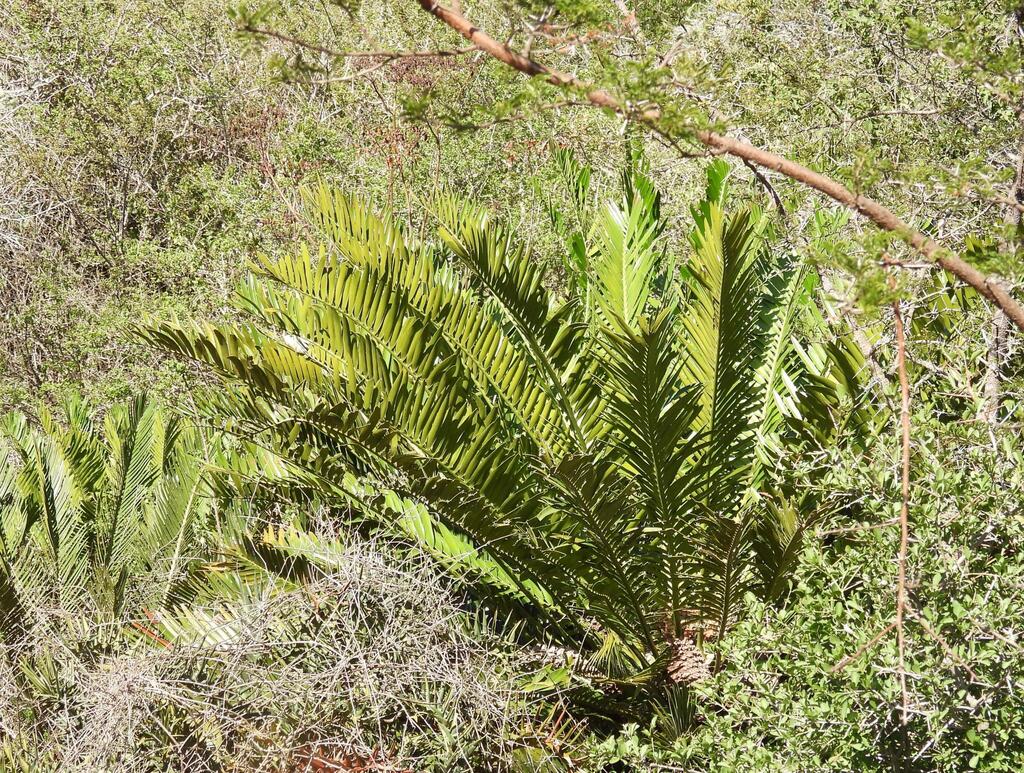
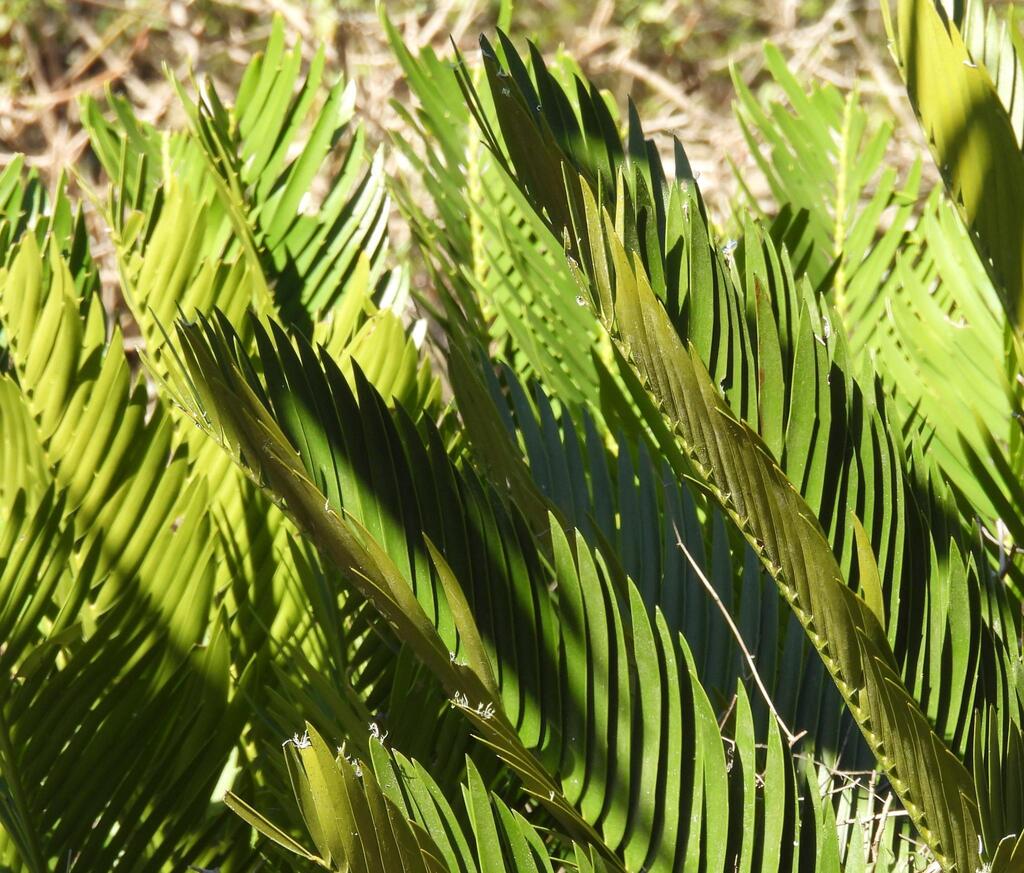
zebedeugalinha · CC BY 4.0
Related Species
Was this profile helpful?