
Cycadopsida · Cycadales
Wood’s Cycad
Encephalartos woodii
Extinct in the Wild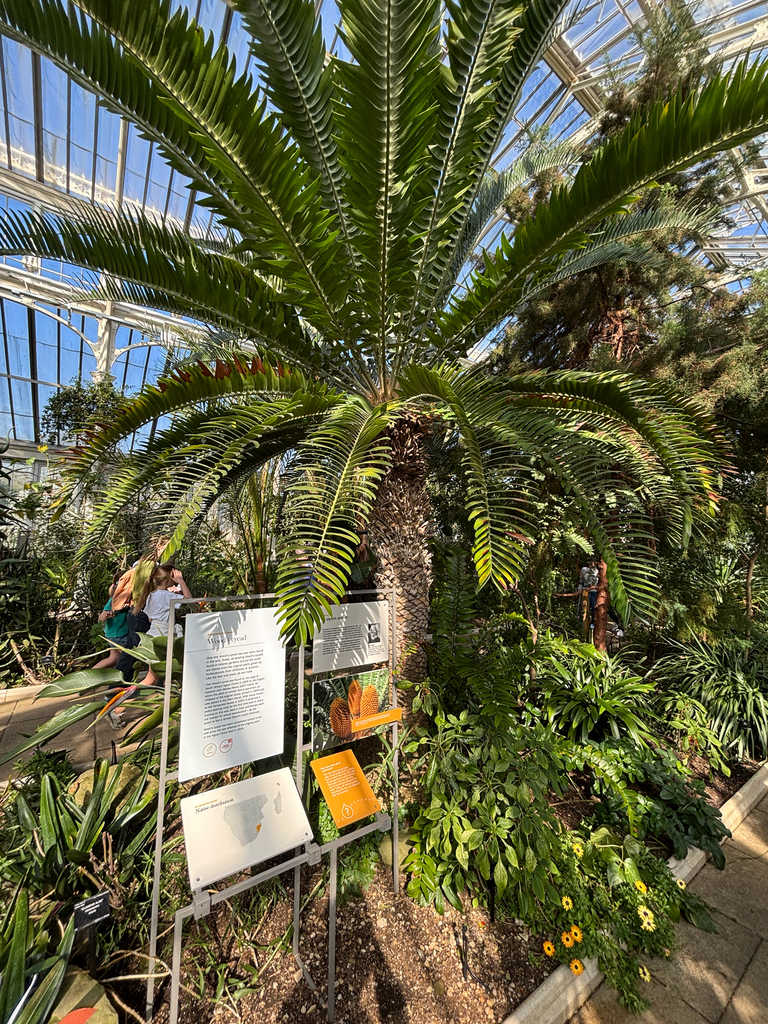
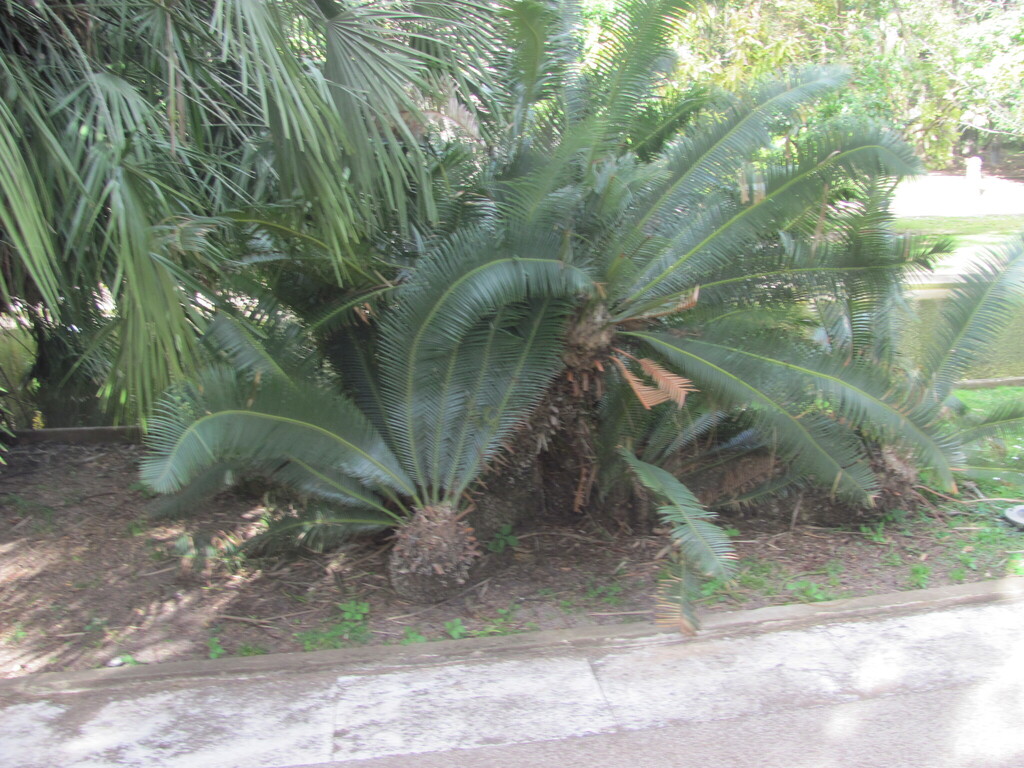
© Jose Gutierrez Higa · iNaturalist · CC BY 4.0
Scientific Classification & Quick Facts
Classification
Known For
Detailed measurements for this species are still being verified.
Encephalartos woodii, known as Wood’s Cycad, represents one of the rarest plants on Earth. This cycad survives only in human cultivation, with no wild populations remaining in its native habitat. The species exists across just two countries, clinging to survival through the efforts of botanical institutions and private collectors who maintain a handful of specimens.
What makes Encephalartos woodii especially notable is its precarious status as a window into plant extinction and the limits of human rescue efforts. The species demonstrates how deforestation, illegal collection, and habitat loss can drive a plant to the brink of oblivion within a single human lifetime. Yet it also showcases the potential for botanical gardens and conservation programs to preserve species that would otherwise vanish entirely, raising critical questions about the role of ex situ conservation in a rapidly changing world.
Identification and Appearance
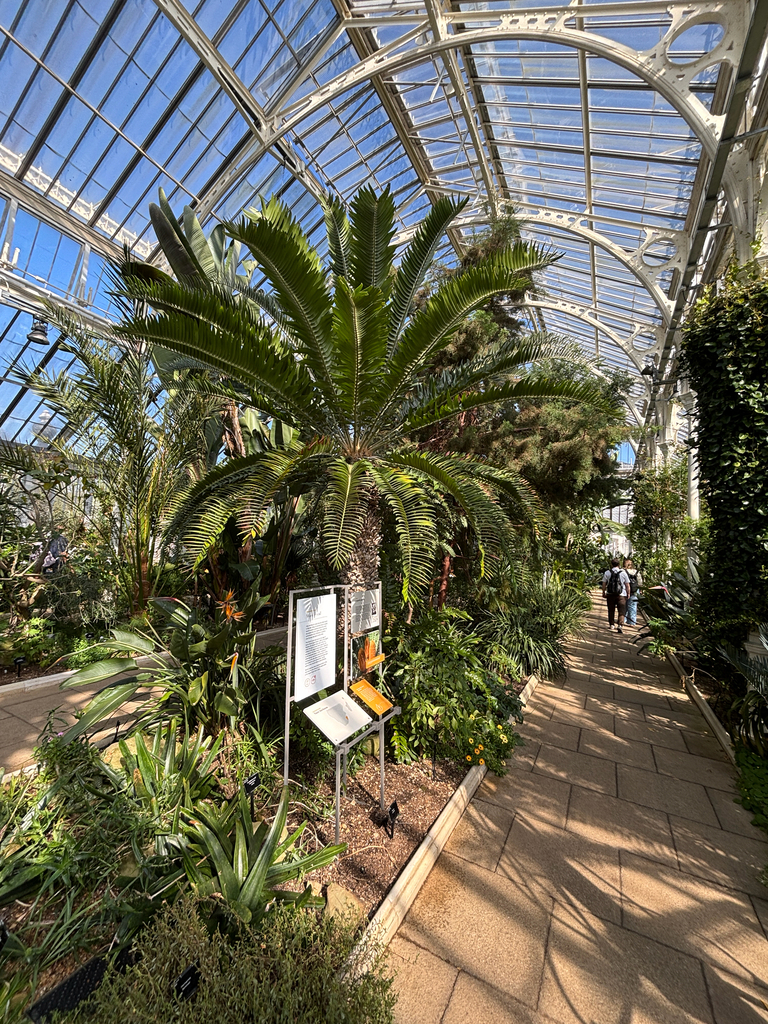
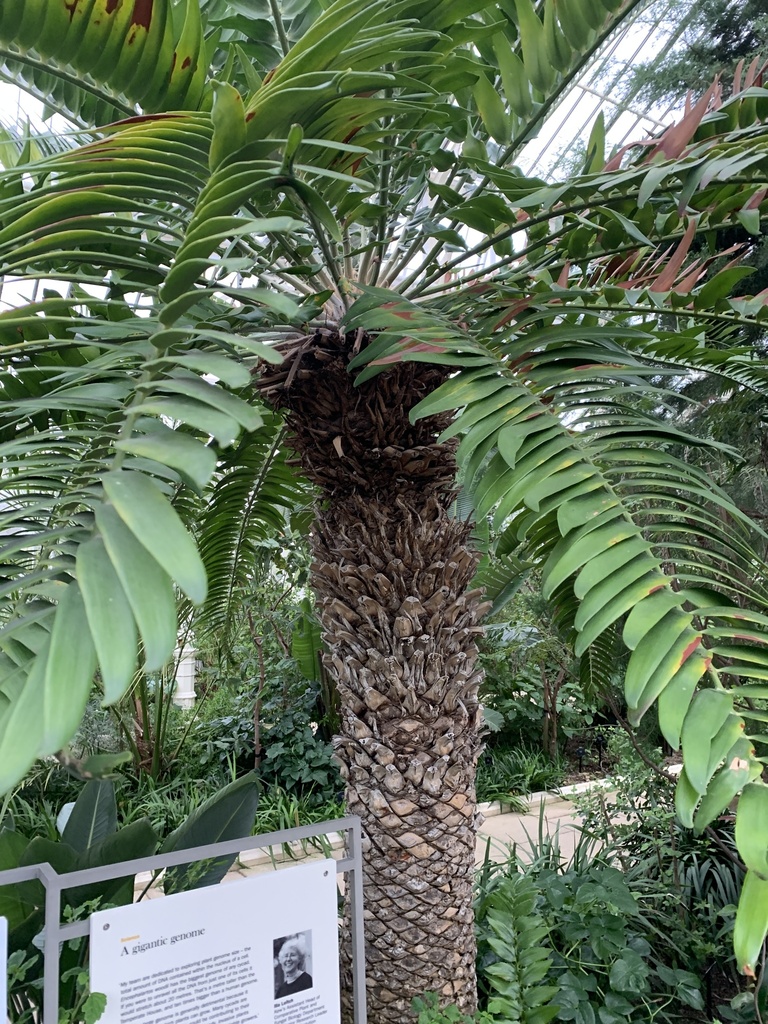
Encephalartos woodii is a striking palm-like cycad that reaches heights of up to 6 metres. The trunk, which is thickest at its base, measures 30–50 centimetres in diameter and supports a dense crown of leaves at its apex. This architectural form gives the species its characteristic upright, tree-like appearance that distinguishes it from many low-growing cycads.
The foliage is highly ornamental. Each leaf is glossy and dark green, measuring 150–250 centimetres in length, and bears a prominent central keel. Individual leaves are compound, consisting of 70–150 leaflets arranged along the rachis. The leaflets are distinctly falcate (sickle-shaped), each approximately 13–15 centimetres long and 20–30 millimetres broad, creating a feathery, fern-like appearance when viewed in detail.
The crown typically comprises 50–150 leaves arranged in a spiral pattern, creating a full, dense canopy. The combination of the columnar trunk, dark green colouration, and finely divided foliage makes Encephalartos woodii visually distinctive among cycads and highly valued by horticulturists and botanical institutions worldwide.
Distribution and Habitat
Encephalartos woodii has an extremely restricted distribution, with records from only two countries: South Africa and the United States. The vast majority of documented occurrences—six records—come from South Africa, where the species has its native range. A single record from the United States reflects the presence of cultivated specimens in botanical collections or private collections, representing human propagation efforts rather than natural occurrence.
Within its native range, E. woodii occurs across a broad elevation gradient, from 7 metres to 1,300 metres above sea level, with an average elevation of approximately 577 metres. This wide altitudinal span suggests the species historically inhabited diverse topographic zones, though the precise habitat associations remain poorly documented. Records cluster around April, July, and December, though the limited sample size prevents definitive conclusions about seasonal patterns in distribution or detectability.
The species is functionally extinct in its native South African habitat, where it has not been recorded in the wild for over a century. Today, E. woodii persists exclusively in botanical institutions, research facilities, and specialized private collections worldwide, making it entirely dependent on human stewardship for its survival.
Growth and Cultivation
Growth
Encephalartos woodii is a tree-like cycad that develops a thick, unbranched trunk crowned by a rosette of large pinnate fronds. The species grows slowly, typical of cycads, and can reach several metres in height over decades. As one of the world’s rarest plants, all living specimens descend from a single male individual, making growth observations dependent on cultivation records from botanical institutions rather than wild populations.
Flowering
Like other cycads, Wood’s Cycad is dioecious, producing either male or female cones. Mature specimens develop distinctive yellow to orange cones that emerge from the crown of fronds. The species reproduces by seed, though viable seed production is extremely limited because the only known living individual is male, making natural reproduction impossible without pollen from herbarium or historical specimens.
Cultivation
Wood’s Cycad requires warm, frost-free conditions and thrives in well-draining soil with full sun exposure. The species tolerates dry conditions once established but benefits from regular watering during the growing season. Specific soil pH requirements and hardiness zone data are not documented in cultivation literature, though general cycad husbandry suggests neutral to slightly acidic soil and temperatures well above freezing.
Propagation is possible only through seed or laboratory micropropagation techniques. Due to the species’ critically endangered status, all cultivation occurs in specialized botanical gardens and research institutions under strict conservation protocols. The extreme rarity of viable material means that any cultivation effort serves primarily as a safeguard against total extinction rather than as commercial horticulture.
Conservation and Threats
Encephalartos woodii, commonly known as Wood’s Cycad, holds the sobering distinction of being classified as Extinct in the Wild (EW) by the IUCN Red List. This classification means that the species no longer survives in its natural habitat and exists only in cultivation, typically in botanical gardens and private collections. The status reflects one of the most severe conservation outcomes for any plant species.
Historical Loss and Threats
The decline of Encephalartos woodii in the wild resulted primarily from habitat loss and over-collection. The species once grew in a limited range in South Africa, but the conversion of its natural habitat to agricultural and urban land eliminated most wild populations. Horticultural demand from collectors further stressed the remaining plants, with illegal collection accelerating the species toward extinction in its native range.
Conservation Efforts and Population Trend
Despite its Extinct in the Wild status, Encephalartos woodii exhibits an increasing population trend due to active cultivation and propagation programmes. Botanical institutions, particularly in South Africa and Europe, maintain living specimens and work to propagate the species through both conventional breeding and modern propagation techniques. These efforts ensure the genetic material survives and prevent total extinction. Legal protection and international trade restrictions under CITES (Convention on International Trade in Endangered Species) regulate any movement of the species and help prevent poaching from existing cultivated populations.
Restoration of the species to its natural habitat remains a long-term goal. Such an effort would require not only sufficient genetically diverse specimens but also the recovery or protection of suitable habitat in South Africa. Current conservation work focuses on maintaining viable cultivated populations and building knowledge for potential future reintroduction attempts.
Fun Facts
Encephalartos woodii, Wood’s Cycad, holds the distinction of being one of the rarest plants on Earth. Every living specimen is a genetic clone of a single plant discovered over a century ago, making it a living archive of botanical tragedy and human determination.
- The species was discovered in 1895 by John Medley Wood, curator of Durban Botanic Garden, in the oNgoye Forest of KwaZulu-Natal, South Africa. Both the plant and its common name honour this pioneering botanist.
- Wood’s Cycad is extinct in the wild, with no populations surviving in its native habitat. Every plant cultivated today descends from that single original specimen collected over 125 years ago.
- Because all living E. woodii are clones, the species has zero genetic variation—a condition that would normally spell evolutionary doom if the plants were ever returned to the wild.
- The cycad reproduces through spore-like structures and vegetative propagation, yet without genetic diversity, future generations face unknown vulnerabilities to disease and environmental change.
- Major botanical institutions worldwide maintain E. woodii specimens in their collections as living backups, transforming gardens and herbaria into de facto species arks.
- The rediscovery and documentation of this cycad in its remote forest location in the 1890s came just in time; the habitat has since been heavily altered by human activity.
Conservation Status
LC · NT · VU · EN · CR · EW (Extinct in the Wild) · EX
Photo Gallery
Jose Gutierrez Higa · CC BY 4.0
Related Species
Was this profile helpful?