
Cycadopsida · Cycadales
Fern Palm
Cycas revoluta
Also known as: Sago Palm, Sago palm, King sago, Sago cycad, Japanese sago palm, sago cycas, sago palm, sotesu-nut
© zebedeugalinha · iNaturalist · CC BY 4.0
Scientific Classification & Quick Facts
Classification
Known For
Detailed measurements for this species are still being verified.
Cycas revoluta, commonly known as the Fern Palm, is a living relic of Earth’s prehistoric past. Despite its common name, this plant is not a true palm at all, but rather a cycad—a group of seed-bearing plants that thrived alongside dinosaurs more than 200 million years ago. With feathery, fern-like fronds and a sturdy, columnar trunk, the Fern Palm combines the visual elegance of tropical foliage with the ancient lineage of one of nature’s oldest plant families. Today it is distributed across at least 45 countries, primarily in cultivation as an ornamental plant valued for its dramatic appearance and striking architectural form.
The Fern Palm maintains a conservation status of Least Concern, reflecting its resilience and widespread cultivation globally. Yet beneath its status as a familiar garden favourite lies a species of considerable botanical and horticultural significance. Its remarkable slow growth rate, sometimes adding only a few centimetres per year, combined with its long lifespan, makes each mature specimen a botanical treasure and a testament to patience and time. Understanding this species offers insight into both ancient plant biology and the enduring appeal of cycads in modern horticulture.
Identification and Appearance
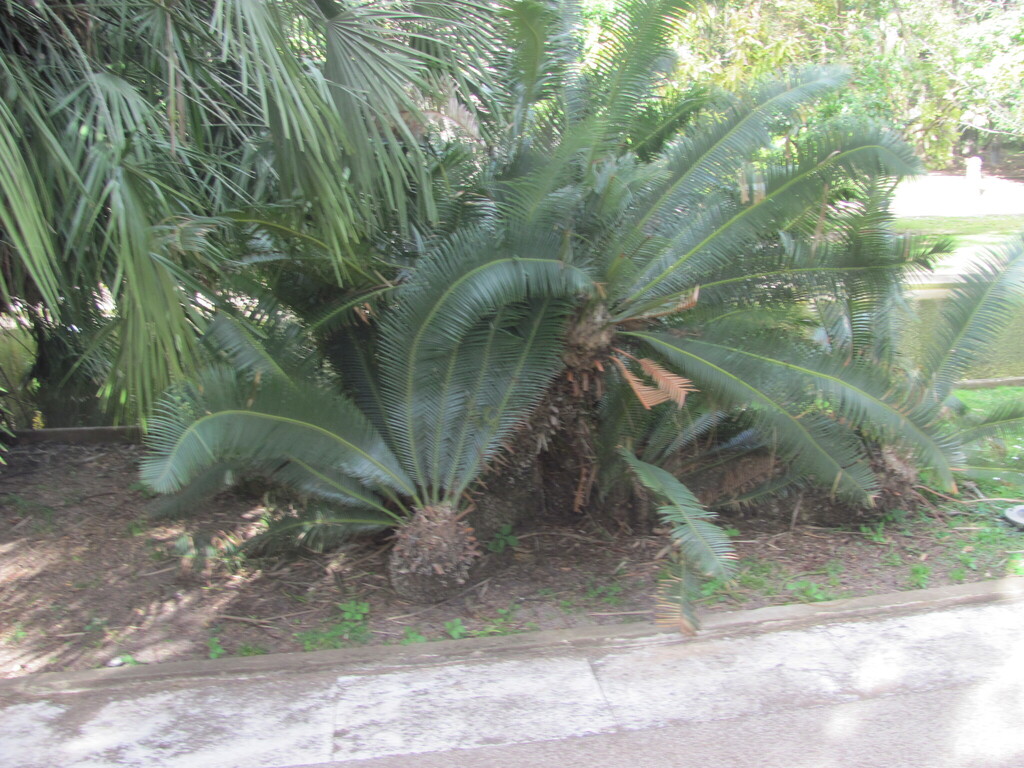
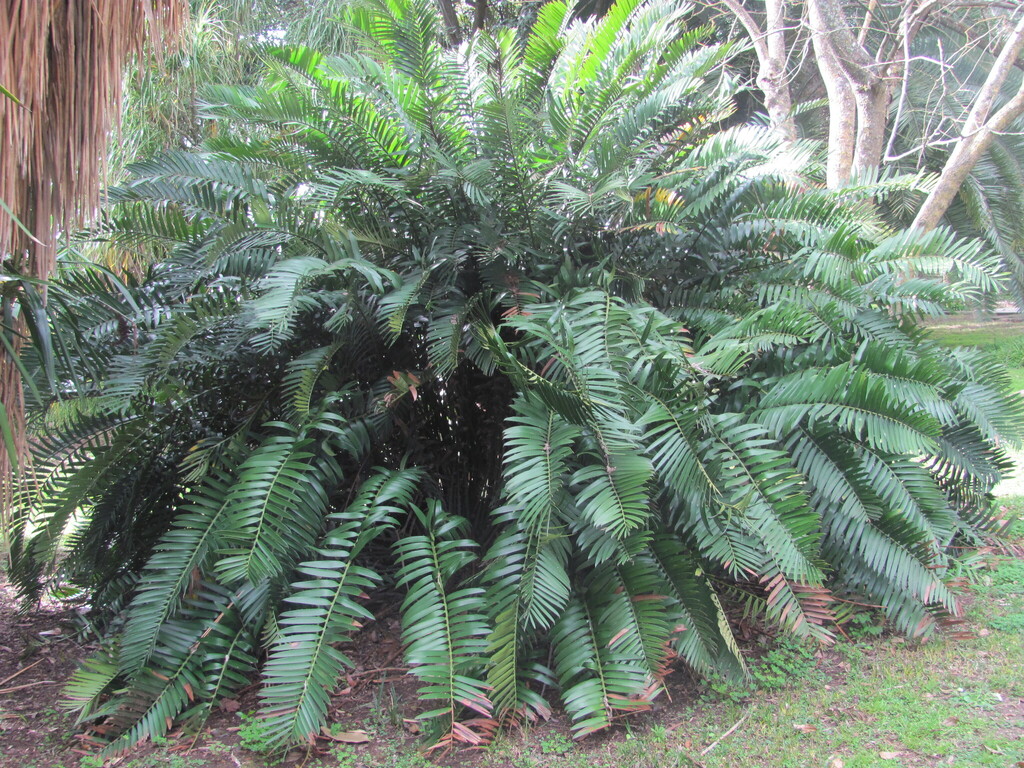
Cycas revoluta is a distinctive cycad distinguished by its symmetrical form and robust architecture. The plant features a thick, shaggy trunk typically about 20 centimetres in diameter, though older specimens may develop wider trunks. Young plants often have a trunk that remains largely subterranean or very low to the ground, but as the plant matures over decades, the trunk elongates and rises above the soil surface.
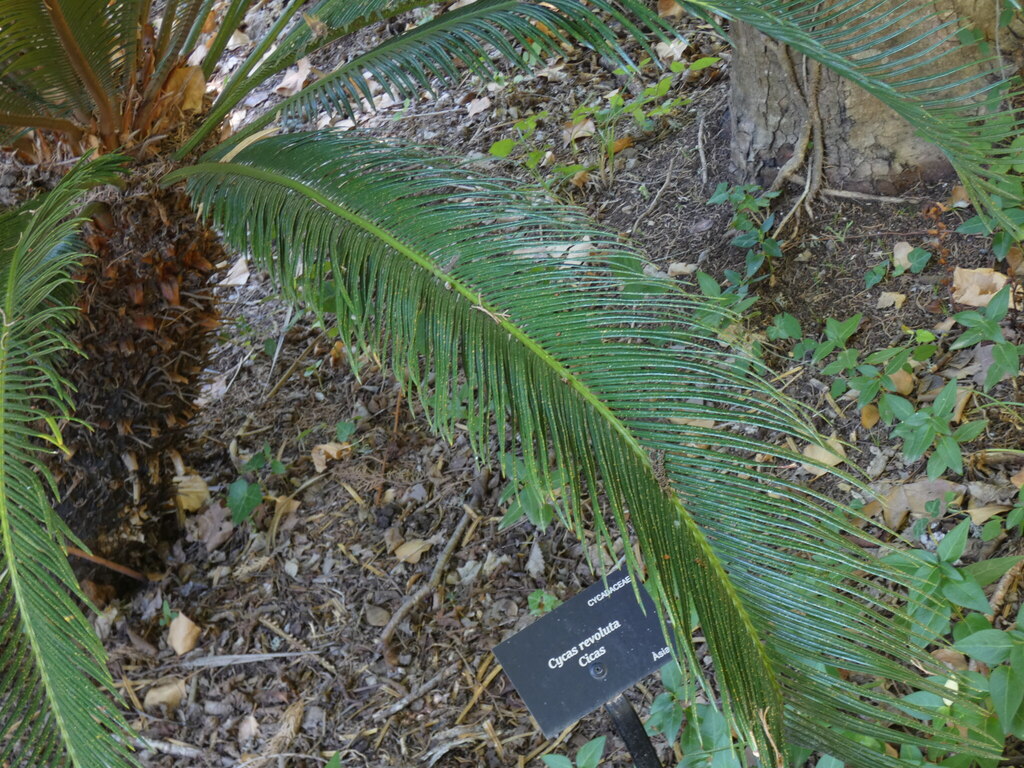
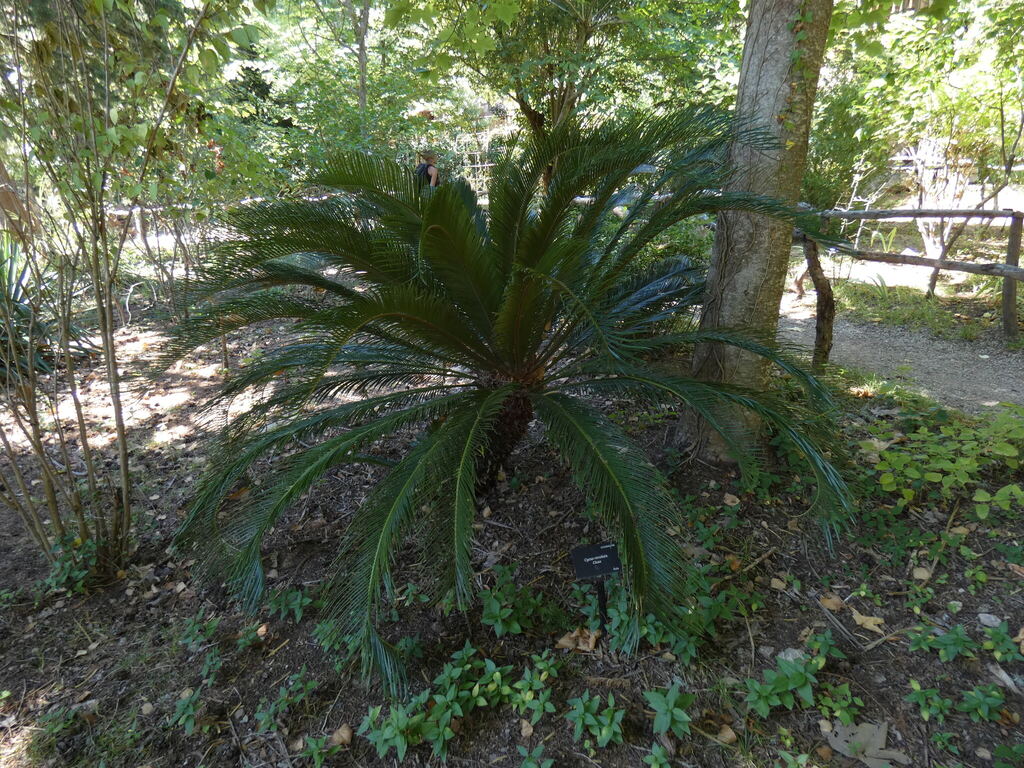
The crown consists of shiny, dark green leaves that radiate outward in a striking symmetrical pattern, creating the characteristic palm-like silhouette that gives the plant its common name. However, Cycas revoluta is not a true palm but rather a cycad—a more ancient group of plants. The foliage maintains its deep green colour year-round, providing consistent ornamental appeal. With age, the trunk can reach 6 to 7 metres in height, though this growth requires exceptional patience: the species is extremely slow-growing and typically needs 50 to 100 years to achieve such dimensions. The largest known cultivated specimen, located at Ryugeji Temple near Shimizu, Japan, stands 8 metres tall. Trunks frequently branch multiple times with age, resulting in specimens with several distinct heads of leaves rather than a single crown.
Distribution and Habitat
Cycas revoluta occurs across 45 countries, with its strongest presence in Japan, the United States, Brazil, and India. GBIF records show Japan leads with 48 occurrences, followed by the United States (29), Brazil (28), and India (27). The species also appears in Indonesia, China, Colombia, Macau, Bermuda, and Australia, among other regions, indicating widespread cultivation and naturalization across tropical, subtropical, and temperate zones worldwide.
Elevation records span from 76 metres to 701 metres above sea level, with an average of 389 metres. This modest range reflects the species’ tolerance for lowland to mid-elevation environments, though it thrives across diverse climates from coastal regions to inland areas. The fern palm adapts readily to human-managed landscapes—gardens, parks, and botanical collections—which explains its global distribution far beyond its native range.
Observations peak sharply in April, with 83 recorded sightings, suggesting heightened reproductive or phenological activity during spring months in Northern Hemisphere populations. Activity drops markedly from June onwards, declining to single digits by November and December. This seasonal pattern likely reflects flowering and cone production cycles, with secondary activity pulses in February and March aligning with late winter and early spring conditions in major cultivation regions.
Biology
Growth
Cycas revoluta, the Fern Palm, is a slow-growing cycad that develops a single unbranched trunk topped with a crown of feathery, pinnate fronds. Mature plants typically reach 1.5 to 2 metres in height, though some specimens may grow slightly taller over several decades. Growth is notably leisurely; this species adds only a few centimetres per year under optimal conditions, making it a patient plant for collectors and gardeners. The trunk becomes woody and columnar, and older plants develop a distinctive appearance as lower fronds senesce and fall away, leaving visible leaf scars on the stem.
The fronds emerge in spring as tightly coiled crosiers that slowly unfurl into graceful, arching leaves up to 1 metre long. Each frond is composed of many narrow, dark green leaflets arranged in a feathery pattern. This form of growth means the plant takes years to develop its characteristic architectural silhouette, rewarding patient cultivation with visual presence that strengthens over time.
Flowering and Fruiting
Cycas revoluta produces distinct male and female cones rather than true flowers. Male plants generate elongated, yellowish cones near the crown; female plants produce shorter, stouter cones that contain the reproductive structures. Flowering typically occurs during the growing season, though cones may take years to develop on younger specimens. Pollination is achieved by ancient mechanisms involving specific insects, and viable seed set depends on the presence of both male and female plants in proximity.
Successful fertilisation results in large, fleshy seeds with a hard outer coat and a distinctive ovate to rounded form. These seeds are heavy and can germinate slowly, sometimes taking weeks or months to root. Fruiting is infrequent in cultivation and requires patience; many cultivated plants never produce seeds unless hand-pollinated.
Cultivation
Cycas revoluta thrives in well-draining, neutral to slightly acidic soil and prefers full sun or bright, indirect light. The species is adaptable to container cultivation and performs well in a gritty, loamy potting mix supplemented with sand or perlite to ensure excellent drainage. Water moderately during the growing season, allowing the soil to dry between waterings; reduce watering in winter when growth slows. The plant tolerates drought reasonably well once established, making it relatively forgiving in dry climates.
Hardiness varies by climate; the species is frost-sensitive and performs best in warm temperate to subtropical regions. In cool climates, it is grown as a containerised houseplant or conservatory specimen. Provide warmth during winter months, and avoid prolonged exposure to temperatures below 10°C. The plant benefits from occasional feeding during active growth but requires little maintenance once established. Clean the fronds periodically to remove dust and maintain their ornamental appeal.
Conservation and Threats
Cycas revoluta, the Fern Palm, holds a conservation status of Least Concern (LC) on the IUCN Red List. This classification indicates that the species faces no immediate risk of extinction and does not qualify for threatened categories. The population trend is increasing, reflecting successful adaptation to both wild and cultivated environments globally.
Threats
Despite its Least Concern status, Cycas revoluta historically faced pressure from over-collection in its native Japanese range, particularly for ornamental trade. However, widespread cultivation has reduced reliance on wild-harvested plants, diminishing this threat significantly. The species remains vulnerable to habitat loss in its limited natural range on the Ryukyu Islands, though established populations in botanic gardens and private collections provide insurance against extinction.
Conservation Efforts
Legal protections in Japan safeguard native populations, and the species benefits from its extensive presence in cultivation worldwide. Botanical institutions maintain living collections and seed banking programmes, ensuring genetic diversity is preserved. The increasing population trend reflects both natural reproduction in protected areas and deliberate propagation by horticulturists and conservation professionals.
Fun Facts
- 1.Ancient Living FossilCycas revoluta belongs to a plant family that thrived during the age of dinosaurs, remaining virtually unchanged for over 200 million years. It is one of the oldest seed-bearing plant lineages still in existence.
- 2.Nitrogen-Fixing SymbiosisThe plant harbors colonies of cyanobacteria in specialized underground structures called coralloid roots, which convert atmospheric nitrogen into usable compounds. This enables Cycas revoluta to survive in nutrient-poor soils where other plants struggle.
- 3.Extremely Slow GrowthA mature specimen may add only 2–3 centimetres of trunk height per year under ideal conditions. Some individual plants in cultivation are known to be centuries old, growing just a few metres tall over their entire lifespan.
- 4.Toxic Seeds and TissuesAll parts of the plant, especially the seeds and roots, contain cycasin, a neurotoxic compound that causes serious poisoning in humans and livestock if ingested. Traditional preparation methods in some cultures attempt to leach this toxin, but the margin for error is dangerously small.
- 5.Separate Male and Female PlantsCycas revoluta is dioecious, meaning individual plants are either exclusively male or female and produce distinct cones. Female cones are striking, with loose, leaflike sporophylls rather than the compact male cone structure.
- 6.Prefers Warm and Dry ConditionsNative to warm subtropical and tropical regions, this species thrives in well-draining sandy or rocky soils with minimal moisture. Waterlogged soil quickly causes root rot, making drainage more important than fertility for successful cultivation.
- 7.Minimal Pest VulnerabilityThe cycasin content that makes the plant toxic to most animals also deters most common garden pests and diseases. This natural defense strategy is one reason the species has persisted unchanged for millions of years.
Sources and References
- Global Biodiversity Information Facility (GBIF)View source
- iNaturalistView source
- WikidataView source
- WikipediaView source
- Encyclopedia of Life (EOL)View source
- Plants of the World Online (POWO)View source
Ecology
Growing Conditions
Edibility
Photo Gallery
zebedeugalinha · CC BY 4.0
Related Species
Was this profile helpful?