
Magnoliopsida · Saxifragales
Chinese Peony
Paeonia lactiflora
Also known as: Common Garden Peony, Peony, Chinese Peony, Peony, Chinese peony, White Peony, common garden peony
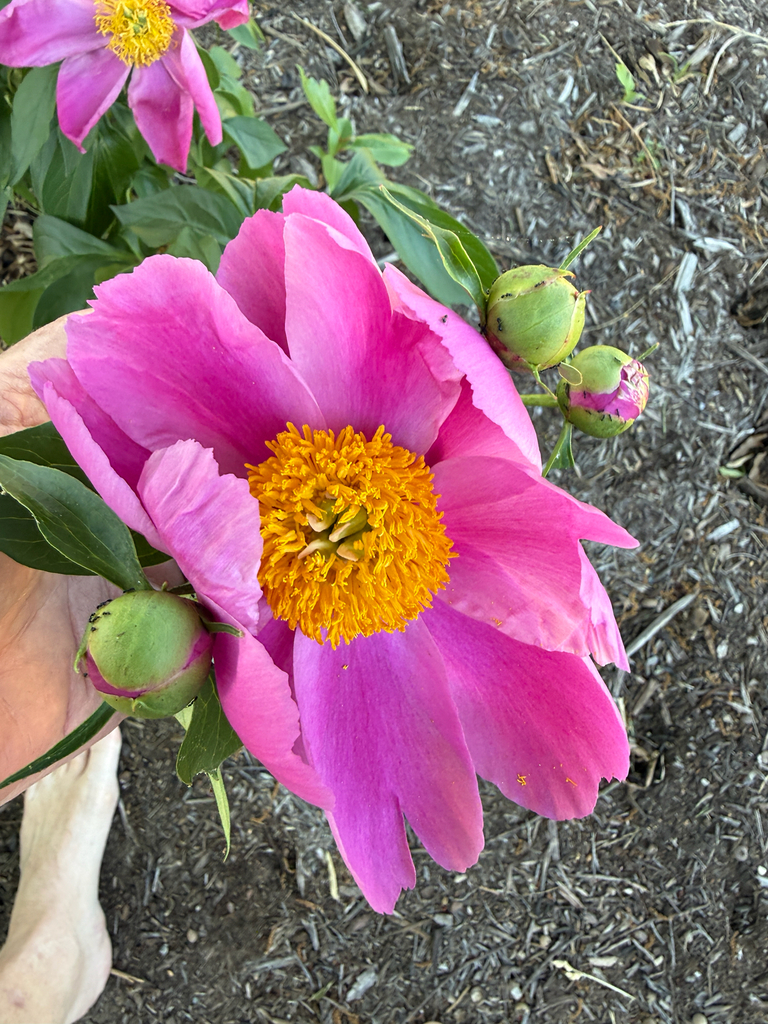
© V. Ross Johnson · iNaturalist · CC BY-SA 4.0
Scientific Classification & Quick Facts
Classification
Known For
Detailed measurements for this species are still being verified.
Paeonia lactiflora, the Chinese Peony, is one of the world’s most beloved flowering plants, prized for its large, fragrant blooms and remarkable longevity. Native to temperate regions of eastern Asia, this herbaceous perennial has captivated gardeners and horticulturists across 26 countries, becoming a cornerstone of ornamental cultivation worldwide. Its milky-white to deep pink flowers emerge in late spring and early summer, releasing a subtle fragrance that intensifies in the evening—a trait that has made it central to both Asian gardens and Western floral traditions for centuries.
Despite its widespread presence in gardens and parks across multiple continents, the conservation status of Paeonia lactiflora remains poorly studied, classified as Unknown by current assessments. This gap in knowledge reflects a broader challenge in plant conservation: species that thrive in human-managed landscapes often receive less scientific attention than those facing acute habitat loss. Yet understanding the ecological requirements and genetic diversity of this globally distributed peony is essential for preserving its resilience and securing its role in future horticulture and potentially in ethnobotanical applications.
Identification and Appearance
Paeonia lactiflora, the Chinese Peony, is a robust herbaceous perennial that reaches 50–70 cm in height and spreads to a similar width. The plant develops deeply lobed foliage with distinctive 9-lobed leaves measuring 20–40 cm long, creating a full and ornamental canopy even before flowering.
Flowers and Seasonal Appearance
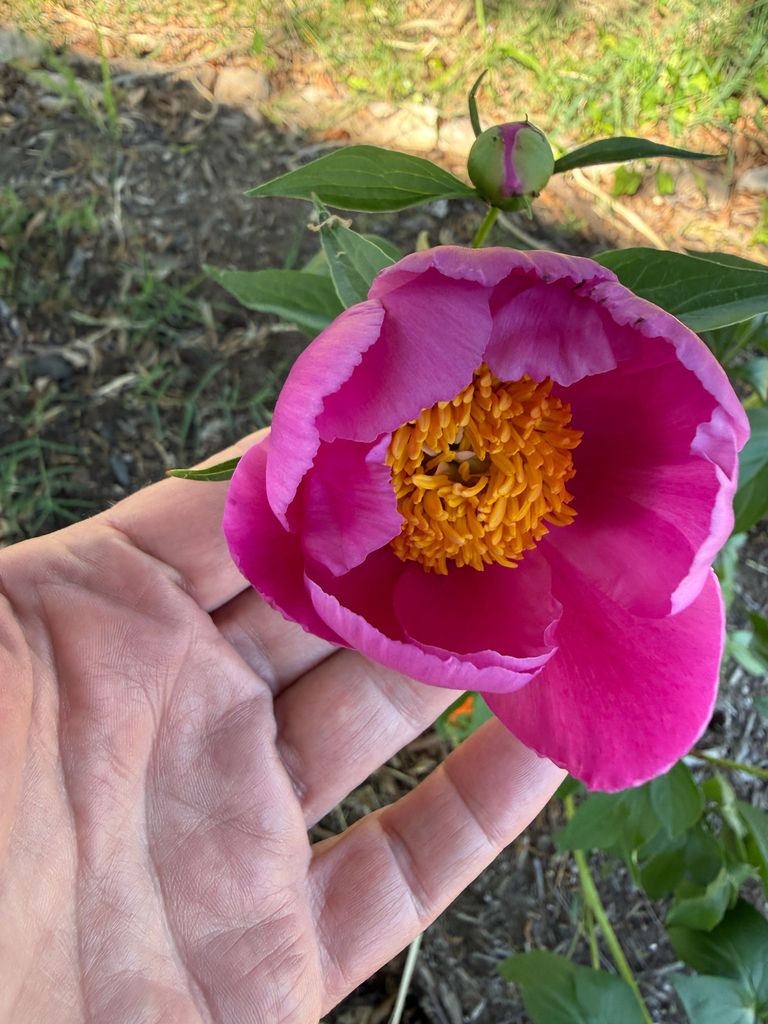
Flower buds emerge in late spring, with May being the typical bloom period in the Northern Hemisphere. The flowers are striking and fragrant, opening into cup- or bowl-shaped blooms 8–16 cm in diameter. Each flower displays 5–10 petals in white, pink, or crimson tones, contrasting with bright yellow stamens at the centre. The plant is particularly attractive to butterflies during its flowering season.
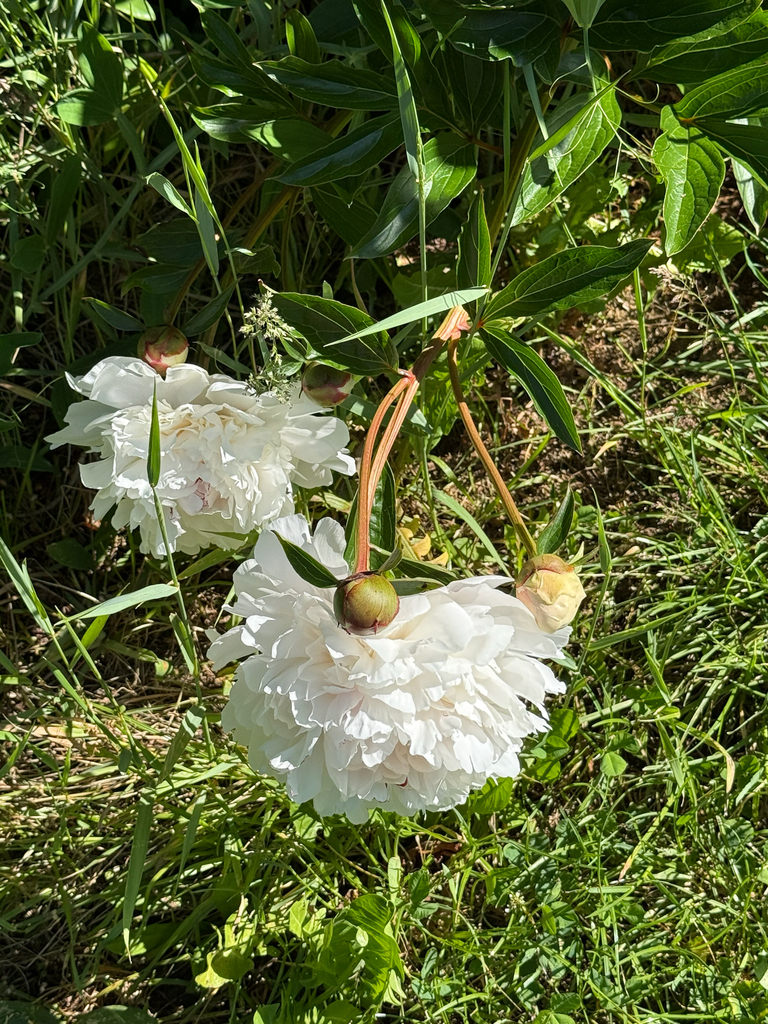
The combination of large, rounded flower buds and fully opened blooms with their substantial petal count makes Chinese Peony immediately recognisable in garden settings. No sexual dimorphism occurs in this species, as all plants are capable of flowering when mature.
Distribution and Habitat
Paeonia lactiflora, the Chinese Peony, occurs across 26 countries, with the majority of records concentrated in Russia (128 records), the United States (49), and Sweden (42). Additional presence has been documented in China (13), Poland (9), South Korea (8), Belarus (5), France (5), Ukraine (5), and the United Kingdom (5), reflecting both its native range in East Asia and extensive cultivation in temperate regions worldwide.
The species shows a narrow elevation preference, with all recorded observations occurring at approximately 415 metres. This consistency suggests either a specific ecological niche or concentration of collection efforts within a particular altitude band. The geographic spread indicates successful naturalization across diverse climates, from cool continental regions (Russia, Belarus) to oceanic temperate zones (Sweden, UK) to warm temperate areas (US, France).
Seasonal Occurrence
Flowering activity peaks in July, with secondary peaks in April and May. iNaturalist observations show peak activity during the Northern Hemisphere spring and early summer (April–July), when 287 of 305 total records occur. August through March records are sparse or absent, indicating a strongly seasonal phenology tied to temperate growing cycles rather than year-round presence in observation datasets.
Growth and Cultivation
Growth
Paeonia lactiflora, the Chinese peony, is a robust herbaceous perennial that forms dense clumps of sturdy stems and deeply divided foliage. The plant develops from a tuberous rootstock and emerges each spring with attractive compound leaves that remain ornamental throughout the growing season, often developing reddish tones as temperatures cool in autumn. Mature plants typically reach 60 to 100 centimetres in height, though cultivars vary in stature and vigor.
Flowering
Chinese peonies produce large, showy flowers in late spring and early summer, with blooms ranging from simple single forms to fully double cultivars with densely packed petals. Flower colours span white, pink, red, and bi-colours, and many varieties release a strong, sweet fragrance. Following pollination, the plant develops seed-bearing follicles; these mature pods eventually split to reveal glossy black or dark seeds. The flowers persist for several weeks, making the species valuable in gardens and as cut flowers.
Cultivation
Chinese peonies thrive in full sun to partial shade, requiring at least four hours of direct sunlight daily for optimal flowering. They are deeply hardy and tolerate cold winters, establishing themselves as long-lived perennials that can persist for decades in the same location. The species prefers well-draining soil rich in organic matter; while it adapts to a range of soil types, good drainage is essential to prevent root rot during wet periods.
Water requirements are moderate once the plant is established. Provide consistent moisture during the growing season and flowering period, but allow the soil to dry slightly between waterings. The species tolerates periods of drier conditions but performs best with regular watering in hot, dry climates. Avoid planting in waterlogged sites, as prolonged saturation damages the roots. Few pests or diseases trouble well-grown plants, making Chinese peony a reliable and low-maintenance addition to perennial borders and cottage gardens.
Conservation and Threats
Paeonia lactiflora, the Chinese peony, has not been formally assessed by the IUCN Red List. This absence of a conservation status designation means the species does not currently appear on international Red List categories (such as Endangered or Vulnerable), though lack of formal assessment does not necessarily indicate the species faces no conservation pressures. The species remains widely cultivated globally as an ornamental plant and retains populations in its native range across China, Mongolia, and Russia.
Threats and Conservation Challenges
Limited published data exists on specific, quantified threats to wild populations of Paeonia lactiflora. Unlike some peony species that face severe habitat loss or illegal collection pressure, the Chinese peony’s extensive commercial cultivation has reduced demand for wild-harvested plants. The primary conservation concern centers on habitat modification in native ecosystems, where grasslands and steppe environments have been converted to agricultural land or undergo grazing pressure. Additionally, climate variability in temperate Asia may affect flowering phenology and seed set in wild populations, though systematic population monitoring remains insufficient to establish clear trends.
The species benefits indirectly from its economic value: widespread horticulture has created a large, self-sustaining cultivated pool that reduces pressure on wild stocks. Furthermore, Paeonia lactiflora is not subject to the same collection restrictions applied to rarer peony species in protected areas across its range. However, without baseline population surveys or ongoing monitoring, conservation status cannot be reliably determined.
Conservation Efforts and Legal Protections
No major international conservation programmes are currently dedicated specifically to Paeonia lactiflora. The species occurs within several protected areas across China and Russia, where general habitat protection affords indirect benefit. In cultivation, the species is maintained by botanical institutions, seed banks, and commercial nurseries, ensuring genetic diversity is preserved outside its native range.
Cultural Significance
Artistic Legacy in Impressionism
Paeonia lactiflora captivated late 19th-century European artists, becoming a favored subject in Impressionist still life painting. The flower arrived in Paris horticultural circles during the 1860s, retaining an exotic appeal that drew major painters to its abundant blooms. Pierre-Auguste Renoir painted peonies repeatedly across the 1870s and 1890s, rendering them with formal dignity; The Independent noted that Renoir approached the flower “rather solemnly and majestically.” Vincent van Gogh created at least three peony compositions in 1886 alone—Vase with Peonies, Bowl with Peonies and Roses, and Vase with cornflowers and poppies, peonies and chrysanthemums. Claude Monet painted Vase of Peonies in 1882, while Édouard Manet cultivated the plants in his own garden and featured them frequently in his work. Frédéric Bazille honored Manet’s documented fondness for peonies by painting Young Woman with Peonies in 1870 as a personal tribute.
Traditional Medicine and Modern Use
Beyond the studio, Chinese peony holds dual value as both medicinal and ornamental plant. Traditional East Asian medicine employs Paeonia lactiflora to address hematemesis, blood stasis, dysmenorrhea, amenorrhea, epilepsy, spasms, and gastritis. Contemporary herbalism extends its use to mental health disorders, inflammation, and blood flow regulation. These ethnomedicinal applications reflect centuries of integration into Asian healing practices, grounding the species in both cultural heritage and ongoing therapeutic interest.
Fun Facts
- Chinese peonies are true herbaceous perennials, meaning their entire above-ground structure dies back completely each winter and regrows from underground roots in spring. This survival strategy allows them to endure the extreme continental climates of their native range, from eastern Tibet to eastern Siberia.
- The genus Paeonia belongs to its own plant family, Paeoniaceae, making peonies a distinctive and ancient lineage with few close living relatives. This family separation reflects millions of years of independent evolutionary history.
- Chinese peonies are native to one of the harshest climates on Earth, with populations naturally occurring in eastern Siberia, where winter temperatures regularly drop below −40 °C. Their remarkable cold tolerance comes from adaptations refined over countless generations in these unforgiving conditions.
- The species ranges from high-altitude eastern Tibet across northern China to eastern Siberia, spanning one of the largest natural distributions of any peony species. This vast geographic spread means individual plants may be separated by thousands of kilometres from their nearest wild relatives.
- Peonies produce extraordinarily long-lived flowers that can persist for two to three weeks on the plant, far longer than most herbaceous flowers. This extended blooming period maximises their chances of successful pollination in their cool, temperate native habitats.
- Underground, Chinese peonies develop thick tuberous roots that can penetrate deep into soil, storing energy reserves that allow them to survive years of dormancy if necessary. A single plant can live for 50 years or more, making it one of the longest-lived herbaceous perennials in temperate gardens.
- The genus Paeonia is so ancient that fossilised peony flowers have been found dating back over 60 million years, predating most flowering families we see today. Chinese peonies carry this evolutionary heritage in their genetic code and basic structure.
Ecology
Growing Conditions
Photo Gallery
V. Ross Johnson · CC BY-SA 4.0
Related Species
Was this profile helpful?