
Magnoliopsida · Malpighiales
Common Flax
Linum usitatissimum
Also known as: Flax, Lan, Linseed
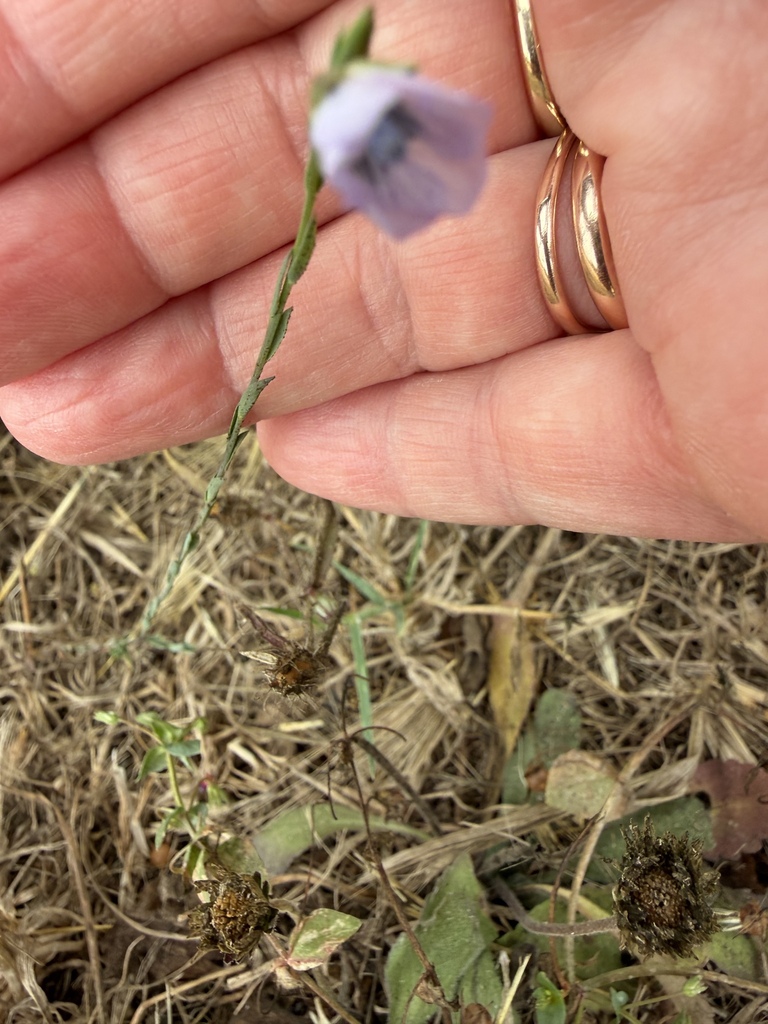
© Irina Mitine · iNaturalist · CC BY 4.0
Scientific Classification & Quick Facts
Classification
Known For
Detailed measurements for this species are still being verified.
Linum usitatissimum, or common flax, is one of humanity’s oldest cultivated plants, with archaeological evidence placing its domestication in the Fertile Crescent over 9,000 years ago. This slender herbaceous annual has shaped human civilisation in ways few other plants can claim: its fibres have clothed entire civilisations, its seeds have nourished populations across continents, and its oil has lit lamps and fuelled industry since antiquity. Today, flax remains widely cultivated across at least 21 countries on multiple continents, from temperate agricultural zones to subtropical regions, making it a genuinely global crop plant.
The conservation status of common flax remains unknown, a reflection of its role as a domesticated species rather than a wild plant threatened by habitat loss. Yet this crop’s continued genetic diversity and agronomic importance make it a subject of scientific and economic interest worldwide. What distinguishes flax is not rarity or peril, but rather its enduring versatility—a plant that serves simultaneously as food, fibre, medicine, and industrial material, with biochemical properties that modern science continues to explore and exploit.
Identification and Appearance
Linum usitatissimum, or common flax, is a slender annual herb that typically reaches 1.2 metres in height. The plant is characterised by its fine, delicate stems and relatively modest stature compared to many cultivated crops. Its upright growth pattern and narrow, lance-shaped leaves give the plant a distinctly airy appearance in the field.
Flowers and Colouration
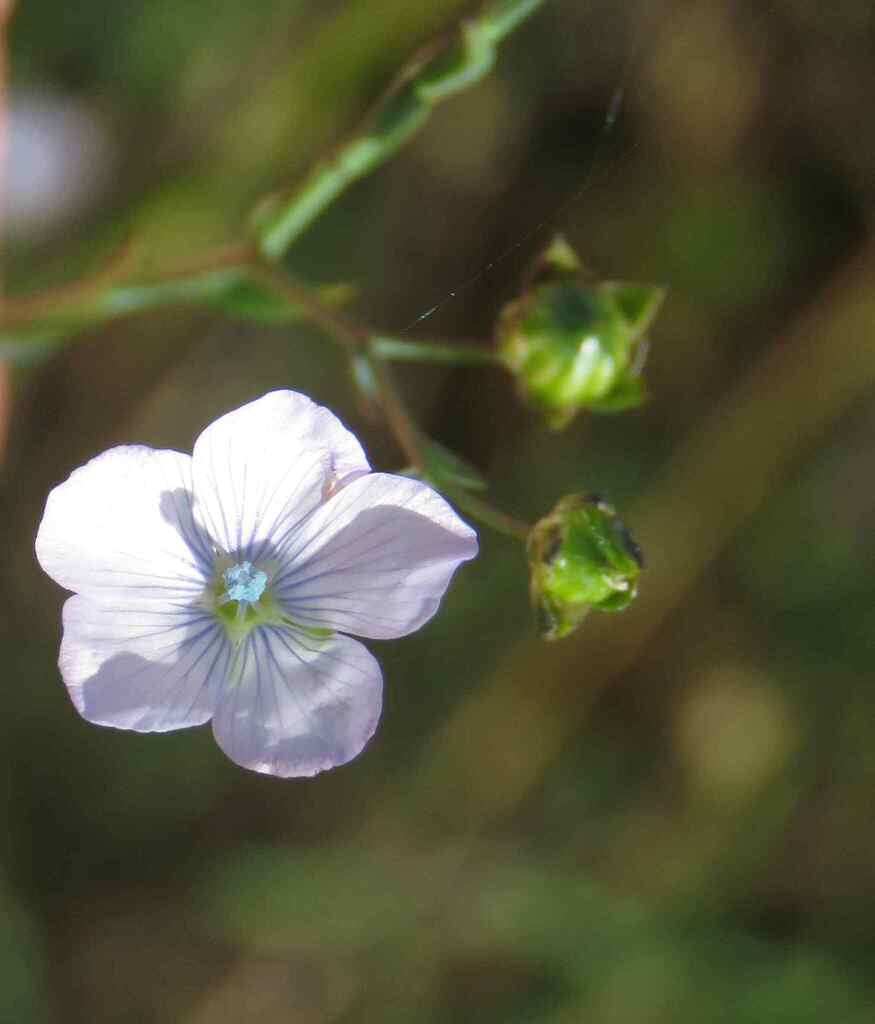
The most recognisable feature of common flax is its flower colour, which is typically a soft blue. However, the genus Linum encompasses considerable diversity: some wild and cultivated relatives of L. usitatissimum display white, yellow, or red flowers instead. The blue-flowered form remains the most common in agricultural cultivation. These delicate flowers appear in clusters and give way to small seed capsules containing the oil-rich seeds for which flax is economically important.
Distinguishing Features
Several other Linum species share superficial resemblance to cultivated flax, particularly those with blue flowers. A key distinction is that L. usitatissimum is an annual plant, completing its lifecycle within a single growing season. Many similar species in the genus are perennials, which flower and reproduce over multiple years. This difference in life strategy affects both cultivation practices and the plant’s ecological role in agricultural systems.
Distribution and Habitat
Linum usitatissimum is cultivated across temperate and subtropical regions worldwide, with documented records from 21 countries. GBIF records show Belgium and the Netherlands as the primary centers of observation, with 151 and 86 records respectively. Spain, France, the United States, and the United Kingdom also feature significant sightings, alongside smaller populations in Mexico, Germany, Ukraine, and Bolivia.
This species thrives in cooler climates and demonstrates a strongly seasonal presence pattern. Peak activity occurs in May, with GBIF data showing a dramatic concentration of observations from March through May (totaling 290 records), and virtually no records during summer and autumn months. This phenological pattern reflects the crop’s preference for spring sowing in temperate agricultural systems, where it completes its growth cycle before mid-summer.
The plant is primarily grown in agricultural settings rather than wild habitats. Although elevation data are unavailable, common flax typically occupies lowland and moderately elevated farmland in regions with adequate moisture and cool growing conditions. Its geographic range follows the distribution of temperate agriculture, concentrating in northwestern Europe and extending to favorable zones in North America and South America.
Growth and Cultivation
Growth
Linum usitatissimum, or common flax, is an annual herbaceous plant that typically reaches 30 to 90 centimetres in height, though cultivars may vary. The plant develops a single, slender, unbranched or sparsely branched stem with narrow, alternate leaves arranged along its length. The root system is a shallow taproot that penetrates moderately into the soil, making the plant suitable for well-prepared seedbeds but somewhat sensitive to waterlogging. Growth is relatively rapid under favorable conditions, with the entire lifecycle from germination to seed maturity completed within 90 to 120 days depending on cultivar and environmental conditions.
Flowering
Flax produces small, delicate flowers that are typically blue, though white, pink, and red cultivars exist. Flowers appear in terminal clusters at the top of the stem and are five-petalled, opening in the morning and closing by afternoon. The blooming period generally spans several weeks during summer months. After pollination, the flowers develop into distinctive round or slightly flattened seed capsules (bolls) containing 10 seeds, each seed being small and flat with a glossy brown or golden-brown coat. Seed maturity occurs 40 to 50 days after flowering, and mature capsules dry and split open to release seeds.
Cultivation
Common flax thrives in temperate climates and tolerates a wide range of soil types, though it performs best in well-draining loam or sandy loam with moderate fertility. The plant prefers neutral soil conditions but can grow across a broad pH range. Full sunlight is essential for optimal growth and flowering; shaded conditions result in weak, spindly plants with reduced seed or fiber production. Flax is moderately drought-tolerant once established, requiring regular moisture during germination and early growth but becoming more resilient to dry periods as the plant matures.
Sowing is typically done in spring after the risk of hard frost has passed, directly into prepared seedbeds at a depth of 1 to 1.5 centimetres. The crop does not require heavy fertilization; excessive nitrogen promotes vegetative growth at the expense of flowering and fiber quality. Irrigation should be moderate and consistent; the plant is sensitive to both waterlogging and severe drought during the flowering and seed-setting stages. Harvesting for fiber is done before seeds fully mature by pulling the entire plant, while seed harvest waits until capsules are fully dry and ready to split.
Conservation and Threats
Linum usitatissimum, or common flax, is not formally assessed by the IUCN Red List. As a widely cultivated crop species with a global distribution spanning temperate and subtropical regions, the species does not face the extinction risk that triggers Red List evaluation. Its conservation status reflects its role as a domesticated plant rather than a wild organism subject to habitat loss or population decline.
Common flax benefits from stable cultivation across multiple continents, including significant production in Canada, Russia, Kazakhstan, China, and the European Union. This broad geographic footprint and continued agricultural demand provide substantial protection against the species becoming rare or threatened in any absolute sense.
Threats
Common flax faces indirect pressures tied to modern agricultural practices rather than direct threats to its survival. Monoculture farming can reduce genetic diversity within flax populations, making crops more vulnerable to pests and diseases. Fungal infections, particularly those caused by pathogens affecting root and stem tissues, periodically impact yields. Insect pests and competition from weeds also affect production, though these are managed through standard crop protection methods rather than conservation interventions.
Market competition from synthetic fibres and cheaper synthetic substitutes has reduced flax cultivation in some regions, particularly in industrialised economies. Shifts toward synthetic alternatives for textiles and composite materials have diminished traditional flax farming in parts of Europe and North America, though production remains economically viable in countries with lower labour costs.
Conservation Efforts
Flax is protected implicitly through global seed banks and agricultural research programmes. Genebanks maintain diverse flax germplasm collections to preserve genetic variation and support breeding programmes that develop disease-resistant and higher-yielding varieties. These efforts secure the crop’s long-term viability and ensure access to useful traits for future agriculture.
Organic and regenerative agriculture movements have revitalised interest in flax cultivation, particularly in Europe and North America, where premium markets exist for natural fibres. Several countries designate flax-growing regions under agricultural protection schemes that support sustainable production methods and maintain cultivation expertise.
Cultural Significance
Common flax has roots in Germanic pagan ritual and mythology, appearing alongside other plants in sacred contexts. A 4th-century runic inscription on a knife from Fløksand, Norway, references lína (flax or linen) and laukar (leek) together in what scholars believe may be a ritual formula. The same pairing appears later in the 14th-century text Vǫlsa þáttr, which describes a heathen Norwegian housewife using both plants to preserve and empower a horse’s penis in a ceremonial context.
The symbolic significance of flax in these rituals remains subject to interpretation. While the leek’s role is likely tied to its preservative and antibacterial properties and its association with fertility and life-giving, flax’s inclusion is less certain. Scholars have proposed multiple explanations: that linen served as the female counterpart to the male leek and penis in a ceremonial union meant to bring fertility, or that the fabric was used to cover a sacred object because linen was regarded as a pure material worthy of holy purposes.
Flax’s cultural importance extended beyond ritual into heraldry and daily life. The plant appears in the coat of arms of Mulgi Parish, depicted as four flax flowers, reflecting its longstanding significance in Northern European communities. The prominence of linen—flax’s processed form—in textiles made the plant economically and socially crucial, cementing its place in cultural memory across Germanic and Scandinavian societies.
Fun Facts
- Common flax has been cultivated for over 30,000 years, making it one of the oldest cultivated plants on Earth. Archaeological evidence from the Fertile Crescent shows humans were already processing flax fibres during the Neolithic period.
- A single flax plant produces both fibre and oil, yet these two products require different varieties optimized for different traits. Fibre flax is bred for tall stems with few branches, while oil flax is bred for shorter, bushier plants with larger seeds.
- Flax seeds contain lignans, compounds with powerful antioxidant and anti-inflammatory properties that are being studied for potential health benefits in human nutrition. The seed coat alone contains up to 800 times more lignans than the rest of the plant.
- Flax fibres are stronger than cotton and can produce textiles ranging from delicate linen for clothing to sturdy canvas for sails and rope. A single flax stem contains up to 40 individual fibres bundled together within the plant tissue.
- The plant produces small, pale blue or white flowers that are remarkably short-lived, often lasting only a few hours. Despite their brevity, these flowers must be pollinated quickly to ensure seed production.
- Flax oil, also called linseed oil, polymerizes when exposed to air and has been used for centuries as a natural wood finish and binding medium in oil paints. This drying property is so distinctive that linseed oil remains a premium ingredient in traditional art restoration.
- Common flax can absorb heavy metals from contaminated soil and is now being researched as a phytoremediation crop to clean polluted agricultural land. This ability makes it useful for environmental restoration while producing useful fibre and seed simultaneously.
Photo Gallery
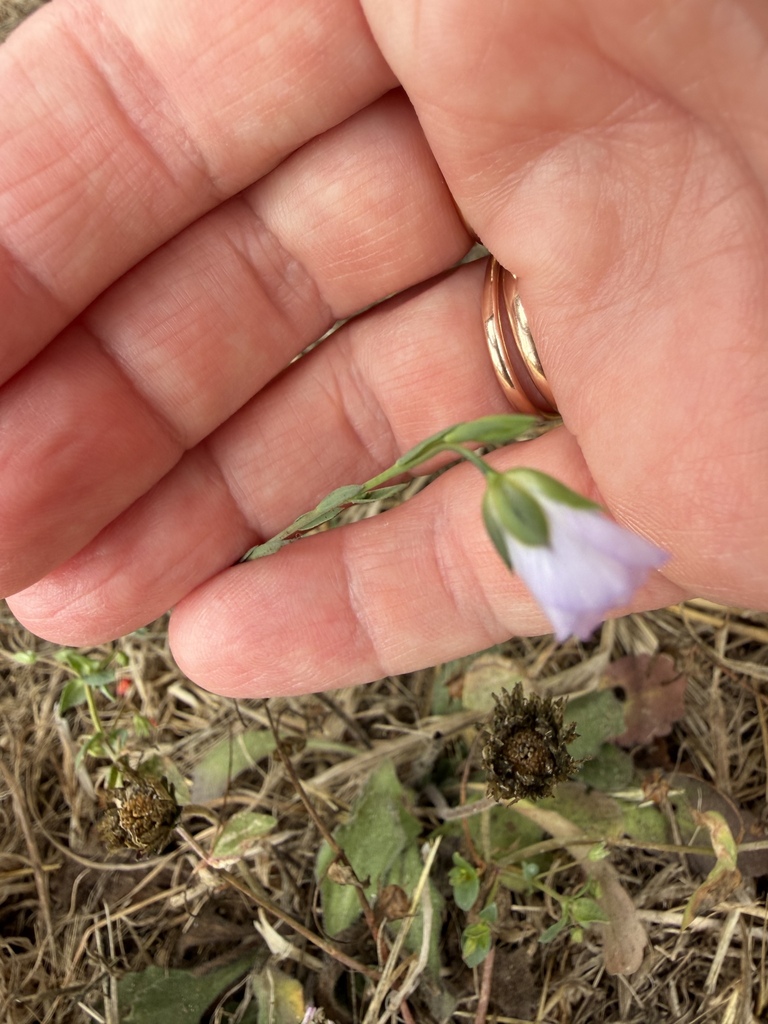
Irina Mitine · CC BY 4.0
Related Species
Was this profile helpful?