
Mammalia · Chiroptera
Greater Mouse-eared Bat
Myotis myotis
Least ConcernAlso known as: Greater Myotis, Large Mouse-eared Bat, Mouse-eared Bat, Mouse-eared Myotis, Murciu00e9lago ratonero grande
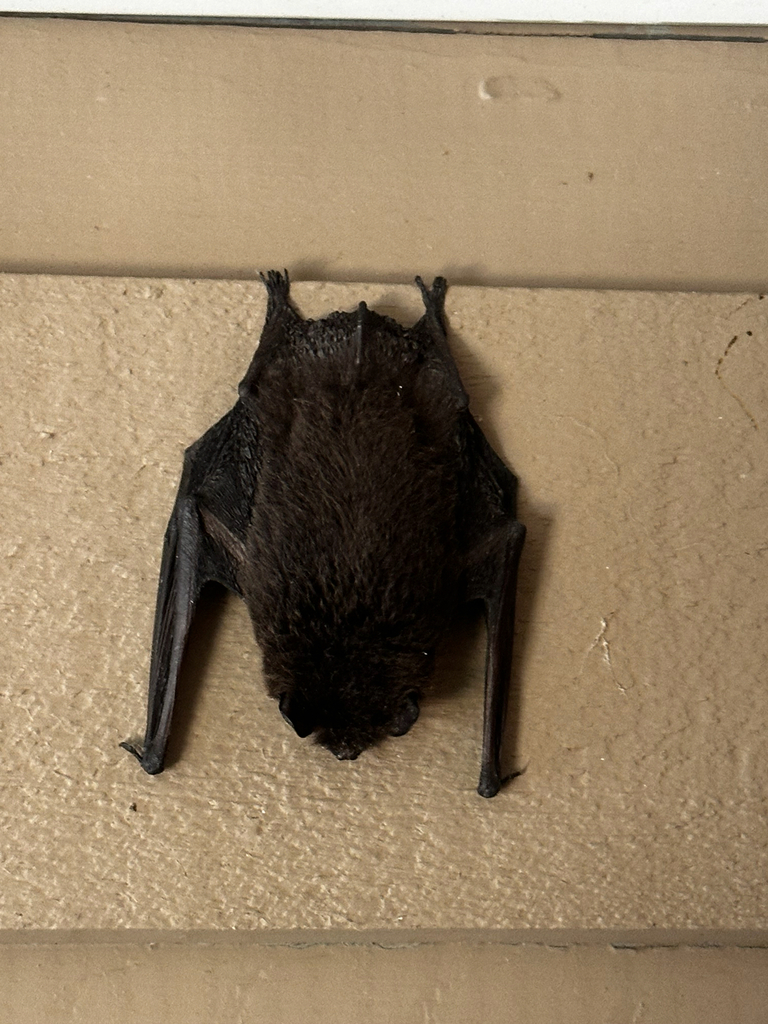
© Rand Rudland · iNaturalist
Scientific Classification & Quick Facts
Classification
At a Glance
The Myotis myotis, or Greater Mouse-eared Bat, is a medium-sized insectivore that hunts through the night skies across Europe and parts of Asia. One of the largest members of the mouse-eared bat genus, this species has earned its common name through its distinctive large ears and mouse-like facial features—adaptations that make it a formidable aerial predator. With populations present across at least 13 countries, the Greater Mouse-eared Bat maintains a conservation status of Least Concern, reflecting its relative stability in regions where suitable habitat persists.
What sets this bat apart is its ecological flexibility and the insights it offers into how temperate bat populations adapt to fragmented landscapes. Understanding the behavior, habitat requirements, and conservation needs of Myotis myotis is essential for maintaining healthy populations across Europe and ensuring the persistence of these agile nocturnal hunters in an increasingly modified world.
Identification and Appearance
Myotis myotis is a medium-sized bat within the genus Myotis, weighing between 20 and 45 grams. The body measures 6.5 to 8 centimetres in length, with the head and body forming a compact silhouette typical of mouse-eared bats. The fur is light brown to greyish-brown across the dorsal surface, providing effective camouflage in woodland and rocky habitats. The wing membranes match the body colouration, lacking the dark patches or distinctive markings seen in closely related species.
The most conspicuous identification features are the ears and tragus. When folded forward, the ears extend well beyond the nose—an unusual trait for Myotis species of similar size. The tragus (the small pointed projection inside the ear) is notably long and sharp, aiding in echolocation precision during flight. Compared to other mouse-eared bats, this species possesses a longer tail relative to body length and proportionally larger wings, which increase manoeuvrability during slow, deliberate flight through cluttered vegetation.
The facial structure is relatively plain, lacking the prominent nose-leaf or facial ornamentation found in some bat families. The muzzle is short and rounded, and the eyes are small—typical of insectivorous bats that rely primarily on echolocation rather than vision. No obvious sexual dimorphism in size or colouration has been documented, though females may be marginally larger than males in some populations.
Distribution and Habitat
Myotis myotis is predominantly distributed across central and western Europe, with the highest concentration of records from Germany, which accounts for the majority of documented occurrences. The species has been recorded in 13 countries across the continent, with significant populations also present in Luxembourg, France, the Netherlands, Poland, Switzerland, and the Czech Republic. Smaller populations extend into Austria, Spain, and Ukraine, marking the eastern and southern limits of its known range.
Elevation records show this bat occupies a range from 480 to 1,438 metres above sea level, with an average elevation of approximately 803 metres. The species demonstrates a marked seasonal presence pattern, with records heavily concentrated in the winter months. Peak activity occurs in February, with substantial observations also recorded during January, March, and April. Summer months (July through November) show virtually no records, indicating either migration or shifts in detection probability during warmer periods.
The greater mouse-eared bat’s distribution reflects its ecological dependence on temperate European landscapes. While specific habitat types are not detailed in available data, the species’ occurrence across multiple countries and elevation zones suggests flexibility in selecting roosting and foraging sites within suitable regions. The pronounced winter peak aligns with hibernation behaviour, when bats congregate in caves, mines, and other subterranean refuges across their range.
Biology and Behavior
Behavior
Greater mouse-eared bats are nocturnal hunters that emerge after dark to forage. They are highly mobile within their range, commuting between day roosts and feeding grounds, sometimes traveling several kilometres each night. These bats are colonial, forming maternity colonies of hundreds or even thousands of females in summer, while males roost separately or in smaller groups. Winter aggregations can be substantial, with individuals clustering together in caves and mines to conserve energy during hibernation.
The species relies heavily on echolocation to navigate and detect prey in flight. Males are territorial and produce audible social calls, particularly during the breeding season, to attract females and repel rivals. Females return to the same roosts year after year, showing strong site fidelity. Juveniles remain with their mothers through lactation but become independent within weeks of fledging.
Diet
Greater mouse-eared bats are insectivores that hunt a broad range of flying insects. Their diet includes beetles, flies, moths, and lacewings, with composition varying seasonally and by local prey availability. They typically hunt in open spaces such as grasslands, meadows, and over water, using their large ears to listen for the sound of insects and to refine target detection during pursuit.
Reproduction
Breeding occurs in autumn, with females storing sperm over winter and ovulating in spring. Gestation lasts approximately 7 weeks. Females give birth to a single pup between May and July, typically synchronised across the colony. Lactation demands are high, and mothers nurse pups for 4–5 weeks before weaning them onto solid food.
Parental investment is intensive: mothers make frequent foraging trips to meet milk production needs and leave pups in the roost during their absence. The extended lifespan of 37 years allows individuals multiple reproductive opportunities throughout their lives, increasing lifetime reproductive success.
Conservation and Threats
Myotis myotis, the Greater Mouse-eared Bat, holds a conservation status of Least Concern on the IUCN Red List. This classification indicates that the species does not currently face an imminent risk of extinction at a global scale. However, the population trend is decreasing across much of its range, suggesting that local declines require ongoing attention even as the species maintains viable populations across Europe and Asia.
Threats
The primary threats to Greater Mouse-eared Bats stem from habitat loss and degradation. Intensification of agriculture, removal of hedgerows, and conversion of grasslands reduce foraging habitat and prey availability. Roost destruction through building renovation, cave disturbance, and loss of underground sites for hibernation further constrain populations. Pesticide use diminishes insect populations that form the species’ diet, creating cascading effects on nutrition and reproductive success.
Secondary pressures include light pollution near roost sites, which can disorient commuting bats and disrupt their activity patterns. Climate variability affects hibernation success and timing of spring emergence. While Myotis myotis is not heavily trafficked for the pet trade, localized persecution still occurs in some regions where bats are perceived as agricultural or property pests.
Conservation Efforts and Legal Protections
The species benefits from broad legal protection across its European range through the Habitats Directive (92/43/EEC) and the Bern Convention, which restrict deliberate killing and habitat destruction. Many countries within the European Union maintain strict bat protection legislation that includes roost site safeguards. Conservation programmes focus on habitat restoration, particularly management of grasslands and hedgerows that support high insect densities. Roost protection initiatives, including installation of bat boxes and restriction of cave access during hibernation, help maintain breeding and wintering sites.
Fun Facts
- The Greater Mouse-eared Bat has exceptionally large ears that can reach up to one-third the length of its body, giving it superior echolocation precision for hunting flying insects in darkness.
- Despite their small size—weighing only 7–16 grams—these bats can consume up to 20 percent of their body weight in insects each night, making them voracious predators of mosquitoes, moths, and other aerial invertebrates.
- Female Greater Mouse-eared Bats form tight maternal colonies of hundreds or thousands of individuals, often returning to the exact same maternity roost year after year, sometimes for decades.
- This species uses a unique hunting technique called “gleaning,” where they pluck insects directly from vegetation or the ground while in flight, rather than catching them only mid-air like many other bat species.
- Greater Mouse-eared Bats can live 20 years or more in the wild, an exceptional lifespan for a mammal their size and one of the longest recorded in temperate bat species.
- Males and females segregate into separate roosts during summer months—males remain solitary or in bachelor colonies while females gather in large groups—a behavior called sexual segregation that is uncommon among mammals.
- The species undergoes true hibernation in caves and mines during winter, where their body temperature can drop to match their surroundings, slowing their metabolism to survive months without food.
Ecology
Diet
Behavior
Conservation Status
LC (Least Concern) · NT · VU · EN · CR · EW · EX
Photo Gallery


Rand Rudland ·
Related Species



Was this profile helpful?