
Eurotatoria · Ploima
Lepadella Zigzag
Lepadella zigzag

Scientific Classification & Quick Facts
Classification
Known For
Full profile in progress — check back soon.
Lepadella zigzag is a microscopic rotifer belonging to the family Lepadellidae, inhabiting the vast world of freshwater and aquatic microhabitats that remain largely invisible to the unaided human eye. Despite its diminutive size, this species represents one of nature’s most successful animal designs—a creature refined through millions of years of evolution to thrive in environments where few other multicellular organisms can survive. Currently known from a single country, Lepadella zigzag remains poorly studied, with its conservation status classified as unknown by the International Union for Conservation of Nature.
The genus Lepadella comprises one of the most abundant and widespread groups of rotifers, yet individual species remain difficult to distinguish and poorly documented in scientific literature. What sets Lepadella zigzag apart is still emerging through careful taxonomic and ecological research. This species exemplifies how microorganisms continue to surprise us with their diversity and adaptation, reminding us that our understanding of life on Earth remains incomplete, especially in the realm of microscopic fauna.
Identification and Appearance
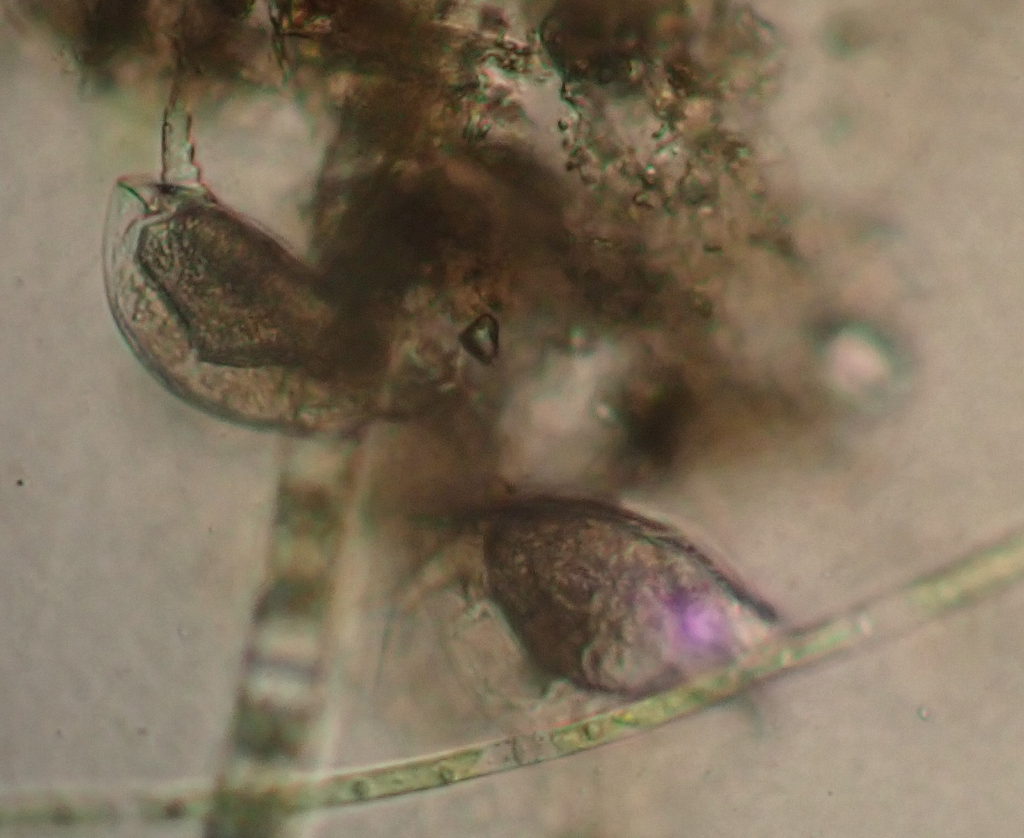
Lepadella zigzag is a microscopic rotifer belonging to the family Lepadellidae. Like all members of this group, it is an aquatic organism that requires magnification to observe in detail. The species is characterised by its distinctive body structure and lorica—the hardened external covering that gives rotifers their characteristic armoured appearance.
The defining feature of L. zigzag is its angular, zigzag-patterned lorica, which gives the species its common name. This geometric ornamentation is visible under light microscopy and serves as a reliable diagnostic feature for identification in freshwater samples. The body is compact and barrel-shaped, typical of lepadellid rotifers, with the anterior end bearing the distinctive corona—a ciliated feeding apparatus consisting of rings of beating cilia that draw food particles toward the mouth. The posterior end is tapered and equipped with toes used for attachment to substrate.
As a rotifer, L. zigzag displays the fundamental anatomical features of the phylum: a complete digestive system, mastax (muscular pharynx), and simple nervous system. The organism is transparent or translucent, allowing internal structures to be observed through the lorica. Like most rotifers, this species is dioecious but parthenogenetic reproduction is common, allowing rapid population growth under favourable conditions. Sexual dimorphism, when present, is typically subtle in rotifers and would be apparent only under high magnification.
Distribution and Habitat
Lepadella zigzag has a limited documented range, with recorded observations concentrated in the United States. GBIF records indicate 3 occurrences from this region, making it a relatively rare or poorly documented species in scientific collections.
The species has been found in only one country to date, reflecting either a genuinely restricted native range or incomplete survey effort across potential habitats. Elevation data and specific habitat preferences for L. zigzag remain undocumented in available records, suggesting that further field investigation is needed to characterize its ecological requirements and full geographic distribution.
Biology and Behavior
Behavior
Lepadella zigzag is a microscopic rotifer inhabiting freshwater environments. Like other members of the genus Lepadella, this species exhibits the characteristic movement patterns typical of rotifers, propelling itself through water using its ciliated corona (a crown-like structure of cilia at the anterior end). The organism’s locomotion follows the distinctive zigzag pattern reflected in its common name, a behavior that helps it navigate through the interstitial spaces of sediments and aquatic vegetation.
These organisms are solitary and do not form stable social groups. They are typically most active during periods when water conditions remain stable, though they can enter a state of cryptobiosis (suspended animation) when environmental conditions become unfavorable, such as during drought or extreme temperature fluctuations. This survival mechanism allows populations to persist in seasonal or ephemeral water bodies.
Diet
Lepadella zigzag is a bacterivore and detritivore, feeding primarily on bacteria, organic detritus, and small particles of decomposing matter suspended in freshwater habitats. It uses its ciliated corona to create feeding currents that draw microscopic food particles toward its mouth. The species plays an important role in microbial food webs, helping to control bacterial populations and recycling nutrients in aquatic ecosystems.
Reproduction
Reproduction in Lepadella zigzag occurs through a combination of asexual and sexual processes. Under favorable environmental conditions, the species reproduces asexually through parthenogenesis, producing clonal offspring without the need for mating. This allows rapid population growth when resources are abundant and conditions remain stable.
Sexual reproduction occurs under stress conditions, including nutrient limitation, overcrowding, or environmental changes. Males are produced sporadically, and fertilized eggs develop into resistant resting stages called dormant or diapausing embryos. These thick-walled structures can withstand harsh conditions and remain viable in sediments for extended periods, allowing populations to recolonize habitats following environmental disturbances. Generation times are rapid under optimal conditions, with multiple generations potentially occurring within weeks.
Conservation and Threats
Lepadella zigzag has not been formally assessed by the IUCN Red List. As a microscopic rotifer, this species falls outside the scope of most large-scale conservation assessments, which typically focus on macroscopic organisms. The absence of an official conservation status reflects the broader challenge in monitoring and protecting microfauna: their small size, cryptic distribution, and difficulty in identification make systematic population surveys impractical with current methods.
Threats and Population Status
No specific threats have been formally documented for Lepadella zigzag. However, as a freshwater rotifer, this species is likely vulnerable to the same pressures affecting aquatic microhabitats globally: water pollution, habitat degradation, and eutrophication of freshwater systems. Rotifers are particularly sensitive to changes in water chemistry and oxygen levels, meaning any degradation of the aquatic environments they inhabit poses indirect risk. The population trend for this species remains unknown, as baseline population data have never been established.
Conservation Efforts and Research
No targeted conservation programmes currently protect Lepadella zigzag. The species benefits only indirectly from general freshwater ecosystem protections and water quality regulations in regions where it occurs. Scientific understanding of this rotifer remains limited; continued taxonomic documentation and ecological research are essential for building a foundation of knowledge that could inform future conservation decisions if threats emerge.
Cultural Significance
Lepadella zigzag is a microscopic rotifer with no documented role in human mythology, folklore, art, cuisine, or medicine. As a member of the phylum Rotifera—a group of animals characterized by a complex jaw apparatus and a ciliary wheel organ—this species operates entirely beyond the scale of human sensory perception and cultural engagement.
The ecological and scientific significance of Lepadella zigzag lies in its function within aquatic ecosystems. As a primary consumer and detritivore, it helps decompose organic matter and recycle nutrients, influencing biogeochemical cycles of nitrogen and carbon. Rotifers including this species serve as bioindicators of water quality and form a critical food source for larger aquatic organisms. Their presence in freshwater and brackish environments signals ecosystem health and functioning, making them valuable to those who study or manage water systems.
The species itself was formally described through taxonomic revision, with Lepadella zigzag established as a new name (nomen novum) for what was previously classified as Lepadella bractea Myers, 1934. Its recognition reflects ongoing efforts to clarify rotifer systematics and maintain accurate scientific nomenclature—a contribution to the global understanding of microscopic biodiversity rather than to human cultural heritage.
Fun Facts
Lepadella zigzag is a microscopic rotifer belonging to the phylum Rotifera, a group of aquatic animals often overlooked despite their ecological importance and remarkable adaptations. These tiny creatures inhabit freshwater environments worldwide and possess extraordinary biological strategies that have allowed them to thrive for millions of years.
- Rotifers like Lepadella zigzag can enter a state called cryptobiosis, suspending all metabolic activity and remaining dormant for years when their environment dries up—reviving instantly when water returns.
- The species belongs to a group that can reproduce both sexually and asexually, with some populations consisting entirely of females that clone themselves through parthenogenesis.
- Lepadella zigzag possesses a crown of beating cilia (hair-like structures) that create currents to draw food particles into its mouth, allowing it to feed while remaining nearly motionless.
- Despite their microscopic size (typically 0.1–0.5 millimetres), rotifers have complex organ systems including a brain, digestive tract, and muscles—making them among the simplest animals with genuine nervous systems.
- The rotifer’s transparent body has made it invaluable to developmental biology research, allowing scientists to trace cell divisions and track the origin of every cell in a living organism.
- Rotifers can survive extreme radiation doses that would be lethal to most animals, and some species have been found living in the vacuum of space aboard satellites.
- The zigzag body shape characteristic of this species aids movement through dense aquatic vegetation and sediment, allowing it to navigate spaces inaccessible to less flexible microorganisms.
Related Species
Was this profile helpful?