
Sphagnopsida · Sphagnales
Prairie Sphagnum
Sphagnum palustre
Also known as: Blunt-leaved Bog-moss, Prairie Peatmoss, blunt-leaved peat-moss, Blunt-leaved Peat Moss
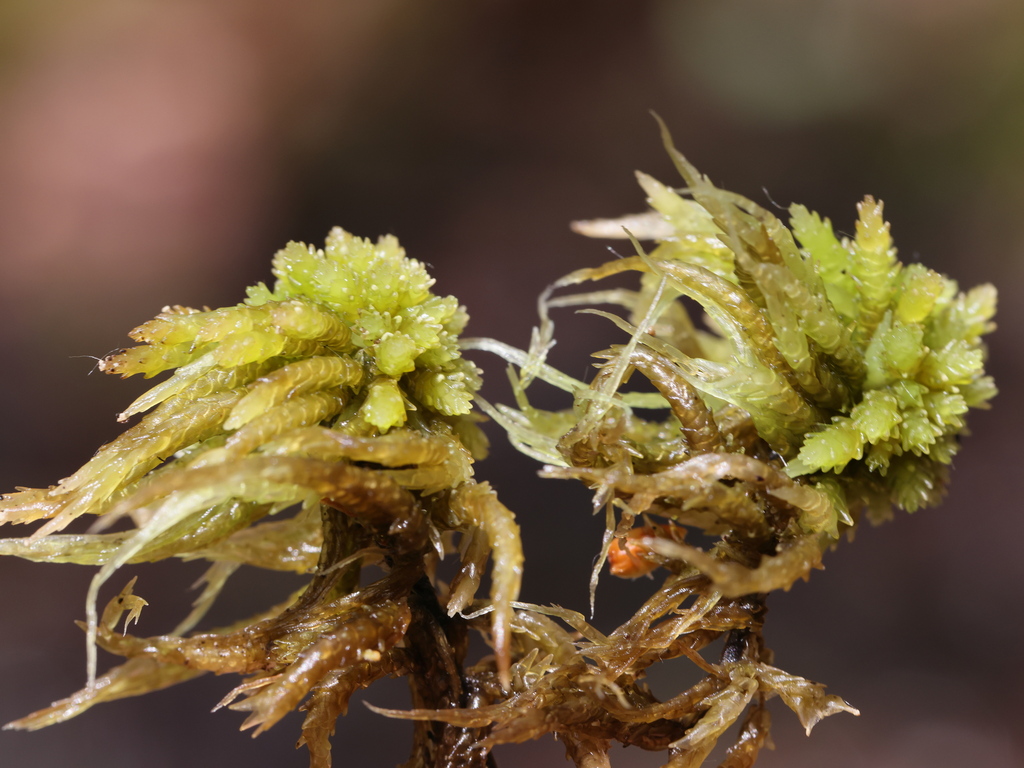
© Rainer Breitling · iNaturalist · CC BY 4.0
Scientific Classification & Quick Facts
Classification
Known For
Detailed measurements for this species are still being verified.
Sphagnum palustre, the Prairie Sphagnum, is a moss that thrives in wetlands across the temperate world. Unlike the flowering plants and ferns that dominate most terrestrial ecosystems, this bryophyte belongs to an ancient lineage stretching back hundreds of millions of years—a living link to the earliest plant colonizers of land. Across 18 countries, this unassuming green cushion plays an outsized role in water retention, carbon storage, and the ecological health of peatlands and marshes.
The conservation status of Prairie Sphagnum remains poorly documented, classified as Unknown by current assessments. Yet its ecological importance cannot be overstated: sphagnum mosses form the foundation of peatlands, carbon-rich ecosystems that store twice as much carbon as all forests on Earth combined. Understanding and protecting Sphagnum palustre and its relatives is essential to preserving these globally critical habitats.
Identification and Appearance
Sphagnum palustre, commonly known as Prairie Sphagnum, is a moss species belonging to the genus Sphagnum, a group of bryophytes that dominate peatlands and wetland ecosystems across the Northern Hemisphere. Like all sphagnum mosses, it lacks true roots and instead absorbs water and nutrients directly through its leaves and stem structures.
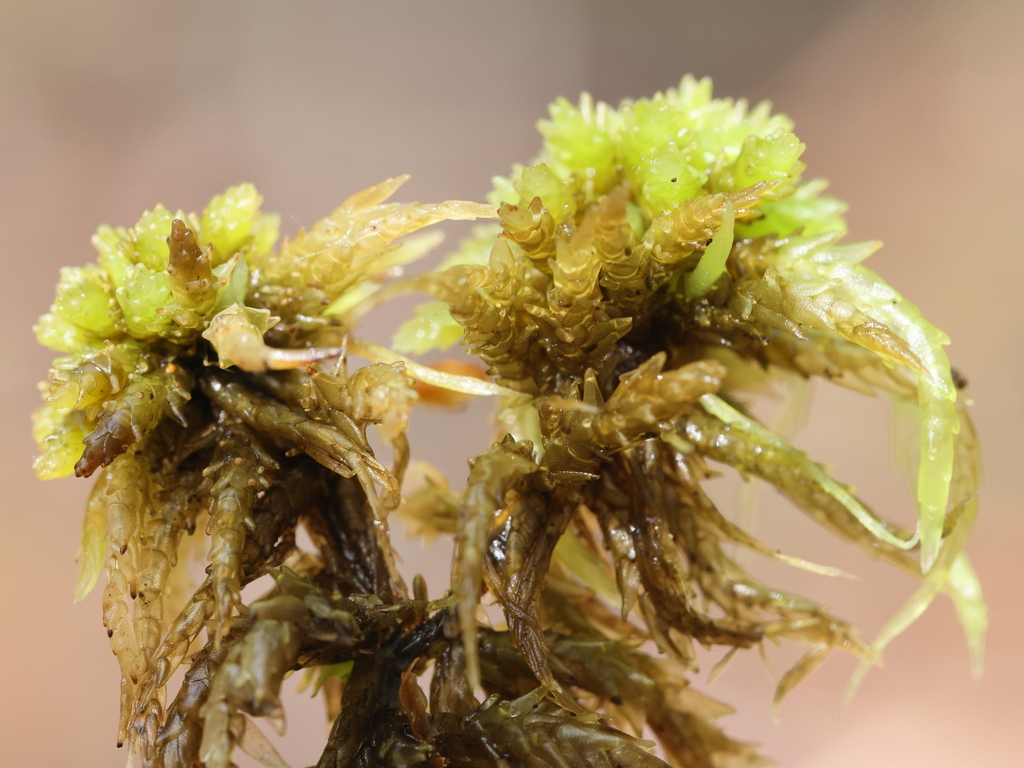
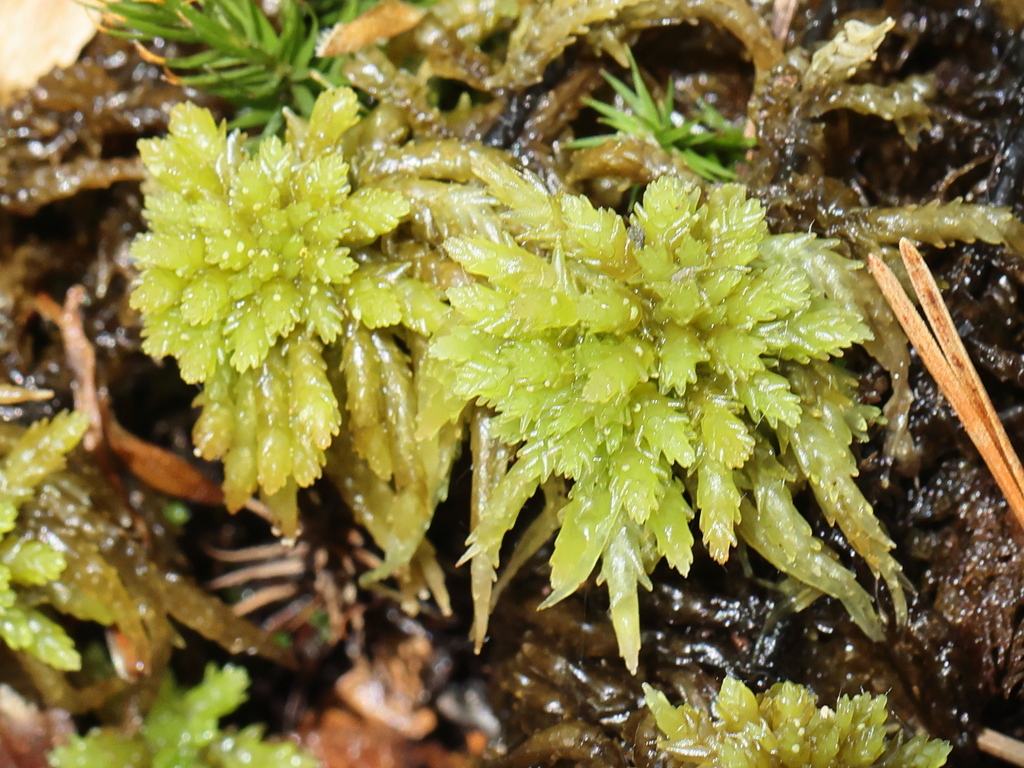
Prairie Sphagnum forms dense, cushion-like or hummock growths characteristic of sphagnum species. The plant displays a distinctive pale green to whitish coloration, with the living portions of the stems and branches clustered at the apex while older, lower portions gradually become compressed and darkened. Individual plants are composed of a central stem with lateral branches arranged in fascicles (crowded clusters), creating a branching architecture typical of the genus. The leaves are small and lack a central vein, instead consisting of a single layer of cells that includes both photosynthetic and hyaline (water-storage) cells—a defining feature of sphagnum mosses that allows them to hold up to 20 times their dry weight in water.
The hyaline cells in the leaf tissue are particularly prominent in Sphagnum palustre, giving the moss its characteristic pale, translucent appearance. Under magnification, these cells show distinctive pore structures that facilitate water uptake and retention. The overall texture is soft and spongy, reflecting the moss’s exceptional water-holding capacity. As the plant grows upward, it gradually compresses and decays at the base, contributing to the formation of peat deposits in wetland environments where this species thrives.
Distribution and Habitat
Sphagnum palustre, known as Prairie Sphagnum, has a predominantly temperate European distribution with scattered occurrences in North America. The species is most abundant in the Netherlands, where over 100 records have been documented, followed by the United Kingdom and Germany. Significant populations also occur in Scandinavia, particularly Sweden and Norway, as well as in Austria, Denmark, and Ireland. Across 18 countries, the moss shows a strong preference for regions with cool, moist climates characteristic of Atlantic and continental Europe.
In North America, the species has been recorded in the United States, though far less frequently than in Europe. This disjunct distribution pattern reflects the species’ adaptation to specific climatic conditions rather than continuous range expansion. The absence of elevation data in current records suggests that Sphagnum palustre occurs across a broad altitudinal range, though detailed field surveys may reveal preferred elevation zones.
Seasonal Presence
Observations show a marked seasonal pattern in detection, with peak activity occurring in March. Records accumulate steadily from January through May, with 91 observations in March alone. The species is virtually absent from records between June and December, indicating either dormancy during warmer months or reduced detectability in summer conditions. This phenological pattern aligns with the spring growth phase typical of temperate sphagnum mosses, when moisture availability is highest and temperatures favour photosynthetic activity.
Growth and Cultivation
Growth
Sphagnum palustre, commonly known as Prairie Sphagnum, is a bryophyte (moss) that grows as a dense, cushion-like or carpet-forming mat. Like all sphagnum mosses, it lacks true roots and instead anchors itself through rhizoids while absorbing water and nutrients directly through its leaf surfaces. The plant consists of small, scale-like leaves arranged in a spiral pattern along fine stems, creating the characteristic spongy texture for which sphagnum is renowned.
Growth rates and mature dimensions are highly variable depending on moisture, temperature, and nutrient availability in its native habitat. Sphagnum mosses typically accumulate slowly over years, with individual plants forming compact hummocks or loose turfs. The growth habit is indeterminate—the moss continues to grow upward while lower portions gradually compress and contribute to peat formation over centuries.
Flowering and Reproduction
Sphagnum palustre reproduces via spores rather than flowers or seeds. Like all mosses, it exhibits an alternation of generations between a gametophyte (the visible green plant) and a sporophyte (a spore-producing structure). Under appropriate moisture and environmental conditions, the moss produces small, inconspicuous spore capsules that release millions of microscopic spores into the air, which disperse and germinate to establish new colonies in suitable habitats.
Cultivation
Prairie Sphagnum thrives in acidic, waterlogged conditions typical of bogs, fens, and wetlands. It requires consistently high moisture levels—drought will rapidly desiccate the plant and kill it. Sphagnum mosses prefer cool to temperate climates and benefit from high atmospheric humidity. In cultivation, the moss is often grown in shallow trays or containers with peat-based or mineral-poor substrate, kept permanently wet or saturated.
Light requirements are modest; Sphagnum palustre tolerates partial shade and does not require intense direct sunlight. The species is sensitive to nutrient enrichment and will decline in polluted water or fertilized conditions. For gardeners or horticulturists working with this moss, maintaining acidic pH (typically below 6) and ensuring year-round wetness are critical. It is occasionally used in terraria, bog gardens, and ecological restoration projects to restore degraded wetland habitats.
Conservation and Threats
Sphagnum palustre, commonly known as Prairie Sphagnum, currently lacks an official IUCN Red List assessment. However, the species shows an encouraging population trend, with populations documented as increasing across its range. This positive trajectory reflects the resilience of this moss species and suggests that current conditions are favourable for its persistence and expansion in suitable habitats.
Threats
While Sphagnum palustre does not face documented major threats at present, peatland and wetland ecosystems where this species thrives remain vulnerable to broader environmental pressures. Drainage of wetlands for agricultural or urban development continues to affect moss habitat quality in some regions, though this species appears less threatened than some congeners. Climate change and alterations to water table stability could pose longer-term risks to sphagnum moss communities, particularly in regions experiencing prolonged droughts or shifts in precipitation patterns.
Conservation Efforts
The increasing population trend of Sphagnum palustre suggests that existing wetland conservation and restoration efforts are yielding positive results. Many sphagnum mosses benefit from peatland protection policies and restoration projects that re-establish water levels and prevent degradation. Protection of peatland reserves and support for wetland restoration initiatives help maintain the ecological conditions this species requires.
Cultural Significance
Historical Medical Use
Sphagnum palustre has played a notable role in human medicine for over 800 years, valued primarily as a wound dressing material. The absorbent properties of sphagnum moss made it an effective choice for managing injuries and surgical wounds across many cultures. Archaeological evidence supports this long history of use: fragments were discovered among the belongings of the Ice Man of Tirol, a 5,200-year-old mummified individual found in the Alps, alongside evidence of wounds on his body that suggest possible surgical application. A Scottish Bronze Age site at Paisley Abbey, dated to the early 15th century BC, also yielded remains of S. palustre, indicating that its use as a dressing material may have been practiced independently across different regions of the world.
Beyond archaeology, the species gained particular prominence in European herbal medicine traditions, where its absorbent and antimicrobial qualities were systematically documented and exploited for pharmaceutical and cosmetic purposes. The ethnomedicinal knowledge surrounding sphagnum reflects practical observation: healers recognized that the moss could absorb wound exudate efficiently and help maintain a protective environment for healing tissue. This traditional use persisted into modern times, demonstrating the enduring cultural significance of peat mosses in human care practices.
Fun Facts
Sphagnum palustre, known as prairie sphagnum or blunt-leaved bogmoss, is a modest yet remarkable moss with remarkable water-storage capabilities. Despite its small size, this species plays a significant ecological role in wet forest ecosystems across the globe.
- A single colony can absorb up to 30 times its own dry weight in water, making it one of nature’s most efficient moisture-trapping organisms. This extraordinary capacity is made possible by elastic spiral fibers woven throughout its structure.
- Unlike most of its relatives in the genus Sphagnum, prairie sphagnum rarely grows in moors and instead prefers wet forests as its primary habitat. This habitat preference sets it apart within a genus typically associated with open boglands.
- The elastic spiral fibers that enable its water absorption act like microscopic springs, allowing the moss to compress and expand repeatedly without damage. This structural innovation is key to the plant’s survival during wet and dry cycles.
- Despite preferring specialized wet forest environments, S. palustre is widespread and frequent across the globe, demonstrating remarkable adaptability to diverse forest wetland conditions. It occurs on multiple continents and thrives wherever suitable moisture-rich habitats exist.
- The water it holds creates microhabitats for invertebrates, fungi, and other bryophytes, making prairie sphagnum a foundation species for forest floor biodiversity. A single moss patch can support hundreds of microscopic organisms.
- Its scientific name, palustre, derives from the Latin word for “marshy” or “swampy,” a direct reference to its preference for waterlogged environments. The name perfectly captures its ecological niche.
Photo Gallery
Rainer Breitling · CC BY 4.0
Related Species
Was this profile helpful?