
Magnoliopsida · Malpighiales
Arnold’s Rafflesia
Rafflesia arnoldi
UNKNOWNAlso known as: corpse flower, corpse lily, monster flower, stinking corpse lily
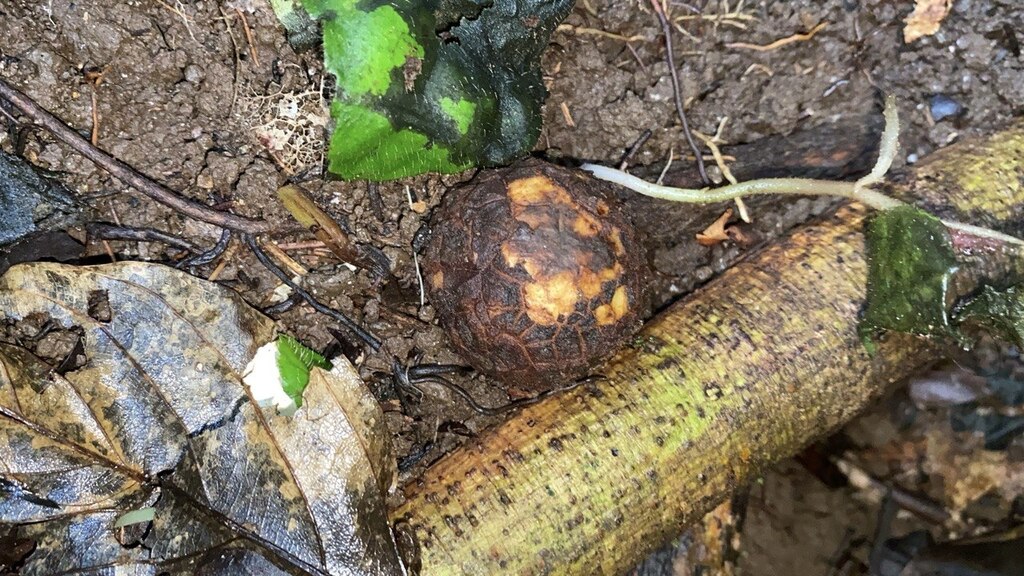
© no rights reserved · iNaturalist · CC0 1.0
Scientific Classification & Quick Facts
Classification
Known For
Detailed measurements for this species are still being verified.
Rafflesia arnoldi, known as Arnold’s Rafflesia, is among the most extraordinary flowering plants on Earth. Named after the naturalist Joseph Arnold, who first collected specimens in Sumatra in 1818, this parasitic flowering plant produces the largest individual flowers in the world—blooms that can exceed 1 metre in diameter and weigh up to 11 kilograms. The flowers emit a pungent odour of rotting flesh, a strategy that attracts carrion-feeding insects which pollinate the plant as they search for a mate or food source.
The species occurs in just three countries across Southeast Asia, inhabiting the rainforests of Indonesia, Malaysia, and possibly Thailand. Its conservation status remains poorly understood, classified as Unknown by current assessments. This cryptic lifestyle—combined with its dependence on specific vine hosts in rapidly disappearing tropical forests—makes Arnold’s Rafflesia a species of profound scientific and conservation interest, embodying the hidden complexity of tropical biodiversity.
Identification and Appearance
Rafflesia arnoldi is a highly specialized holoparasite that defies conventional plant morphology. It possesses no leaves, stems, roots, or chlorophyll, and exists entirely as thread-like strands of tissue embedded within the vascular tissue of its host vine, Tetrastigma angustifolium. The parasite draws all nutrients and water directly from host cells through intimate cellular contact. This hidden existence makes the organism virtually invisible until reproductive maturity, when it produces its only recognizable plant structure: the flower.
Flower Appearance
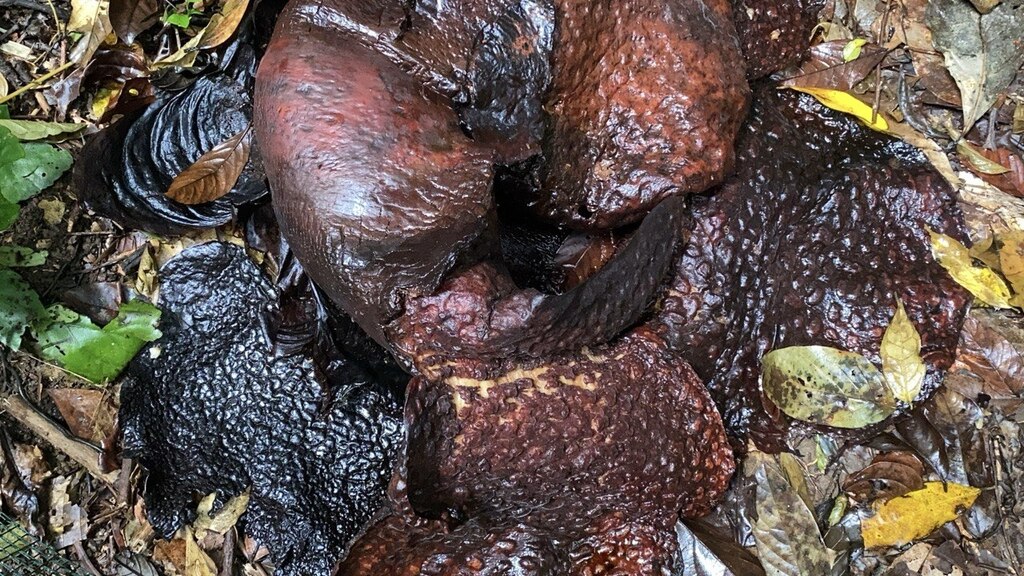
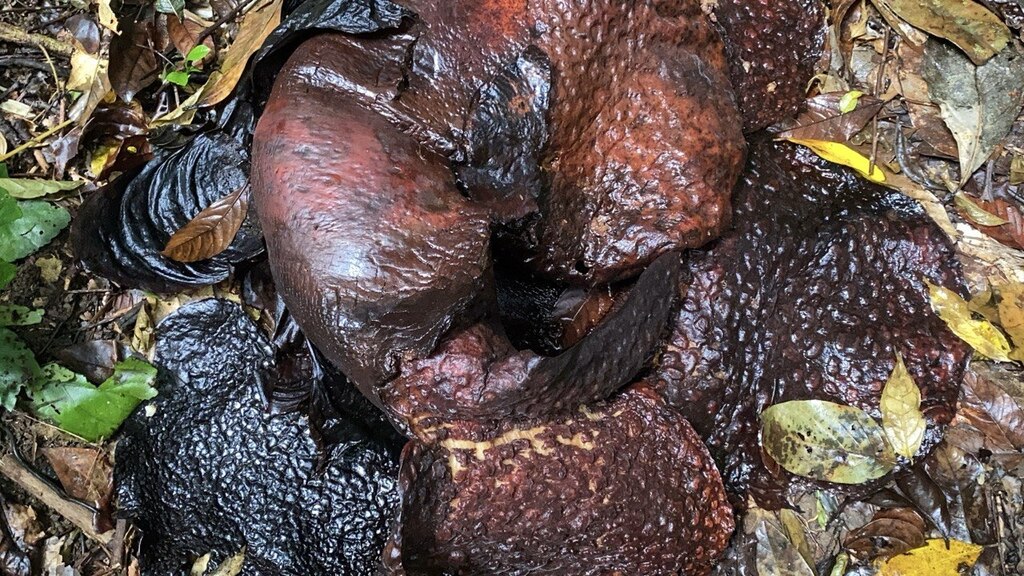
The flowers of Rafflesia arnoldi are the defining feature of this species and among the most distinctive in the plant kingdom. They attain massive proportions—among the largest flowers known—and display a striking reddish-brown coloration. The morphology is highly unusual, with thick, fleshy petals and a distinctive central structure that contains the reproductive organs. The flower’s appearance reflects its adaptation to a specialized pollination system and represents the only externally visible manifestation of this otherwise cryptic parasite.
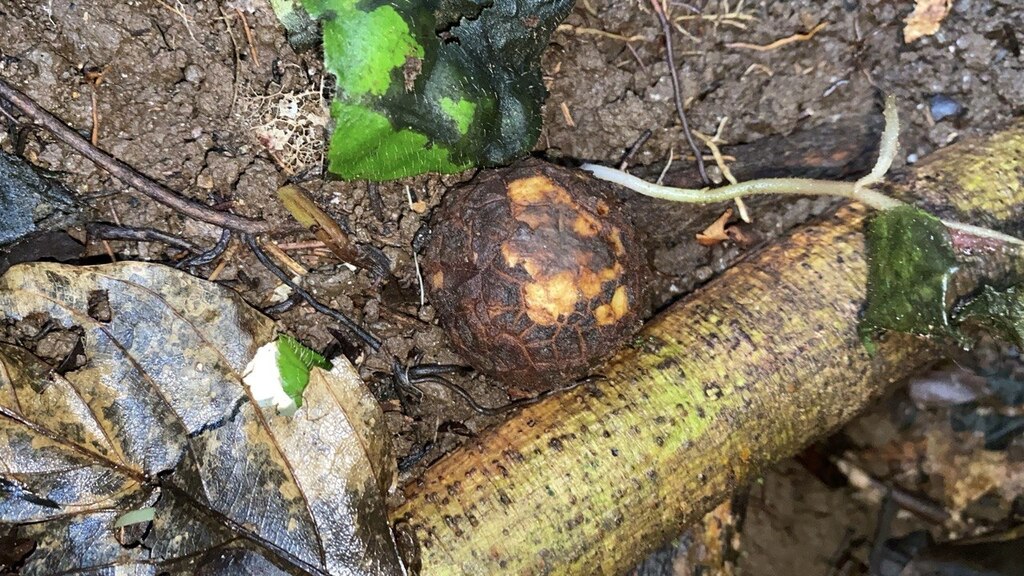
The flowering event itself is remarkable; the bud must force its way through the host vine’s bark to emerge into the open air. Once bloomed, the flower is ephemeral, persisting for only a brief period before senescence. This temporal limitation underscores the energy-intensive nature of reproduction in a parasite that possesses no photosynthetic capacity and depends entirely on its host’s carbohydrate reserves.
Distribution and Habitat
Rafflesia arnoldi is endemic to Southeast Asia, with the vast majority of records concentrated in Indonesia. The species has been documented across three countries: Indonesia (48 records), Malaysia (3 records), and Thailand (1 record). Its range is highly restricted and fragmented, reflecting the narrow ecological requirements of this parasitic flowering plant.
Southeast Asian Distribution
Indonesia dominates the known distribution, accounting for over 94 percent of all documented occurrences. Within Indonesia, populations are found in tropical rainforest regions, particularly in Sumatra and Borneo, where the host vines—primarily species of Tetrastigma (wild grapes)—occur naturally. The three Malaysian records suggest a small presence in peninsular or East Malaysian forests, while the single Thai record indicates either a rare occurrence or a historical sighting at the edge of the species’ natural range.
Elevation data for this species remains undocumented in current records, though Rafflesia arnoldi is known from lowland to montane tropical rainforests where suitable host vines persist. The species’ distribution reflects both its obligate parasitism on Tetrastigma vines and its sensitivity to habitat destruction. Deforestation and forest fragmentation have severely limited populations throughout its range, making even small populations vulnerable to extirpation.
Biology
Growth
Rafflesia arnoldi is a parasitic flowering plant with no visible vegetative body above ground. The entire organism exists as thread-like filaments called haustoria embedded within the tissues of its host plant, a wild grape vine of the genus Vitis. Only the flower emerges from the host plant’s roots or stem, making this species among the most cryptic plants in the world. The plant produces no leaves, stems, or roots of its own—it is entirely dependent on its host for nutrition and water.
Because Rafflesia arnoldi is wholly parasitic, it has no independent growth rate or size that can be measured in the conventional sense. The parasite may remain dormant and undetectable within its host for years or even decades before a flower forms and breaks through the host tissue. Development time from initial infection to first flower is poorly documented in the wild, and attempts to measure growth outside a living host have been unsuccessful.
Flowering
When Rafflesia arnoldi flowers, it produces a single, massive bloom—the largest single flower in the plant kingdom. The flower can reach 70–100 centimetres in diameter and weigh up to 7 kilograms. It is deep red to reddish-brown, with thick, fleshy petals and a distinctive cup-shaped center (the perigone). The flower emits a strong odour of rotting flesh, which attracts carrion flies and beetles that pollinate it.
Flowering season and duration are not reliably documented for wild populations, though observations from botanical gardens suggest flowers may appear sporadically throughout the year, with no clear seasonal pattern. Each flower typically lasts only 3–4 days before withering. Following pollination, the plant develops a fruit containing thousands of tiny seeds. These seeds are dispersed by small mammals that feed on the fruit; the seeds subsequently infect new host vines when ingested and deposited.
Cultivation
Rafflesia arnoldi cannot be cultivated in conventional horticultural settings. The species requires a living host plant (a Vitis species) and specific tropical rainforest conditions—high humidity, warm temperatures, and the complex soil microbiota of its native Southeast Asian ecosystem. Attempts to propagate the plant artificially or to establish it in greenhouses have consistently failed. Seed germination and early infection of host plants have not been reliably achieved outside the wild.
Conservation and Threats
Rafflesia arnoldi faces significant conservation challenges despite limited formal assessment on the IUCN Red List. The species is endemic to the rainforests of Sumatra and Borneo, where it grows as a root parasite on wild grape vines in undisturbed tropical forest. Its large, distinctive flowers—among the largest in the world—have made it a subject of scientific interest and tourism attention, yet these very factors create additional pressure on wild populations.
Threats
Deforestation stands as the primary threat to Arnold’s Rafflesia. Large-scale clearing of rainforest for timber, agriculture, and development directly destroys the host plants and microhabitats on which the species depends. Illegal harvesting for the ornamental plant trade and for traditional medicine compounds the habitat loss. Removal of flowering specimens from the wild disrupts population dynamics and prevents reproduction in situ.
Beyond anthropogenic pressures, the species faces inherent biological vulnerabilities. Rafflesia arnoldi is dioecious—individual plants produce either male or female flowers—and populations exhibit a severely skewed sex ratio, with male flowers far outnumbering female ones. This imbalance severely restricts sexual reproduction and genetic renewal. The species also maintains naturally small, fragmented populations within its range, limiting genetic diversity and resilience to environmental change.
Conservation Status and Efforts
The species is not formally listed on the IUCN Red List, leaving its official conservation status undetermined. However, local and regional protections exist within Indonesia and Malaysia, where habitat reserves in Sumatra and Borneo provide some sanctuary. Several botanical institutions and national parks have undertaken monitoring and research initiatives to better understand population dynamics and improve cultivation techniques. Despite these efforts, wild populations remain vulnerable due to ongoing habitat fragmentation.
Population trends currently show an increase in some monitored areas, likely reflecting both improved forest protection and growing awareness of the species’ ecological value. However, this positive trend is fragile and depends on continued enforcement of forest conservation laws and reduction of illegal harvesting.
Cultural Significance
Rafflesia arnoldi holds profound symbolic importance in Indonesia, where it is one of three national flowers alongside white jasmine and moon orchid. The flower was officially designated as a national “rare flower” (puspa langka) through Presidential Decree, reflecting its elevated cultural and ecological status within the nation. In Indonesian society, the species embodies natural beauty and national pride, featuring prominently in local legends and stories that have been passed down through generations.
The species’ cultural reach extends beyond traditional contexts into modern popular culture. The flower inspired the design of Gloom and Vileplume, two Pokémon from the first generation of the franchise, attesting to its global recognition and enduring appeal. Vileplume’s design in particular closely mirrors the flowering Rafflesia arnoldi, with Pokédex entries highlighting the flower’s distinctive odor and imposing size—traits that define the real species in both ecological and cultural narratives.
Fun Facts
- 1.No visible roots, stems, or leaves: Rafflesia arnoldi is an obligate parasite that lives entirely inside the tissues of its host vine, making it one of the most reduced flowering plants on Earth. It produces only a flower and seeds, with all vegetative structures absorbed into the host plant.
- 2.Among the world’s largest flowers: The bloom reaches up to 1 metre in diameter and weighs as much as 11 kilograms, rivalling the titan arum for the title of largest single flower by surface area.
- 3.Foul-smelling attraction: The flower emits a putrid odour resembling rotting flesh to lure flesh flies and beetles for pollination, rather than relying on the more typical sweet fragrances used by other flowering plants.
- 4.Extremely slow reproduction: A single host vine may take years to produce even one Rafflesia flower, and the parasite is believed to damage or eventually kill its host plant over time.
- 5.Named after a colonial explorer: The species is named after Sir Stamford Raffles, the British colonial administrator who founded Singapore, and Thomas Arnold, a naturalist who first collected specimens in Sumatra.
- 6.Found in only a handful of locations: Rafflesia arnoldi is endemic to the rainforests of Sumatra and Borneo, with populations now highly fragmented due to habitat loss and forest degradation.
- 7.Dependent on a single host genus: The parasite can only survive on wild vines of the genus Tetrastigma (grape family), meaning it cannot colonize cultivated plants or establish in protected areas without its specific host present.
Sources and References
- Global Biodiversity Information Facility (GBIF)View source
- iNaturalistView source
- WikidataView source
- WikipediaView source
- Encyclopedia of Life (EOL)View source
- Plants of the World Online (POWO)View source
Conservation Status
LC · NT · VU · EN · CR · EW · EX
Photo Gallery
no rights reserved · CC0 1.0
Related Species
Was this profile helpful?