
Agaricomycetes · Cantharellales
Chanterelle
Cantharellus cibarius
Also known as: Golden Chanterelle
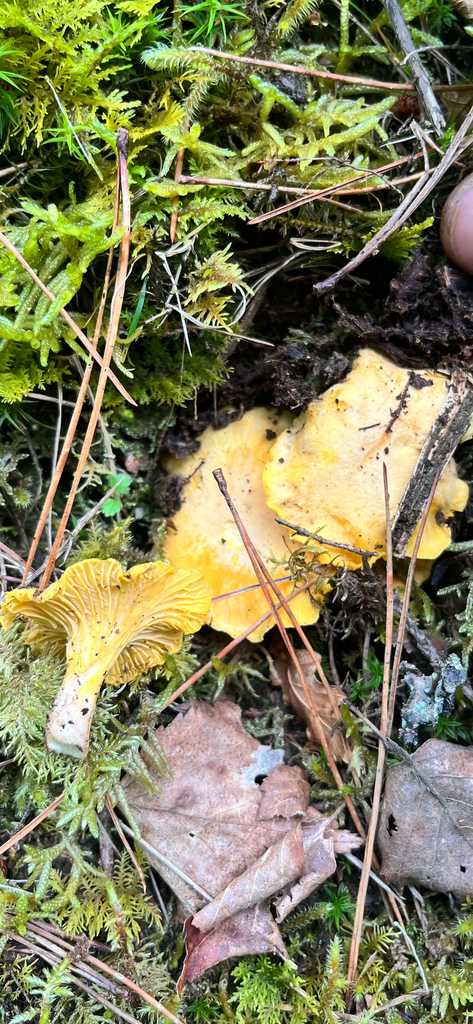
© Daniel Castañal García · iNaturalist · CC BY 4.0
Scientific Classification & Quick Facts
Classification
Known For
Detailed measurements for this species are still being verified.
The chanterelle is one of the world’s most sought-after wild mushrooms, prized by chefs and foragers alike for its delicate apricot aroma, buttery texture, and subtle fruity flavour. Found across at least 25 countries spanning temperate regions of the Northern Hemisphere and beyond, Cantharellus cibarius has earned its place as a culinary treasure and an ecological indicator of healthy forest ecosystems. Its striking golden-yellow fruiting bodies emerge from the forest floor during summer and autumn, creating a distinctive appearance that makes identification relatively straightforward for experienced mushroom hunters.
Despite its global popularity and widespread distribution, Cantharellus cibarius currently carries an Unknown conservation status on the IUCN Red List, reflecting gaps in systematic monitoring of this wild fungal resource. The chanterelle’s ecological role as a decomposer and mycorrhizal associate in forest soils, combined with its commercial harvesting pressure in some regions, makes understanding its population dynamics and sustainability increasingly important. What renders this fungus particularly fascinating is the complex relationship between its wild abundance, cultivation difficulties, and the cultural heritage of traditional foraging practices across Europe and North America.
Identification and Appearance
Cantharellus cibarius, the chanterelle, is a distinctive and readily identifiable fungus prized by foragers across the Northern Hemisphere. The fruiting body is compact and robust, measuring 3–15 centimetres across the cap and 5–10 centimetres in height, making it relatively easy to spot on the forest floor. The color ranges from bright yellow to deep golden yellow, a hue that becomes more saturated in mature specimens and serves as the primary visual identifier in the field.
Cap and Stem Structure
The chanterelle’s cap is funnel-shaped or irregularly lobed, often with a wavy or fluted margin that becomes more pronounced with age. The underside bears false gills—technically ridges or blades—which are relatively thick, blunt, and run down the length of the stem. These ridges are forked near the base and are yellow or pale yellow in color, remaining firm and less fragile than the true gills of comparable-sized mushrooms. The flesh is firm, compact, and pale yellow throughout, with a pleasant fruity aroma and a slightly peppery taste (though consumption for identification purposes should be approached cautiously).
The stem is cylindrical or slightly compressed, widening gradually toward the cap, and is continuous with the cap tissue rather than being distinctly separate. This solid construction and the characteristic false gills make the chanterelle difficult to confuse with other species once the key features are recognized, explaining its reputation as one of the safest wild mushrooms for foragers to identify.
Distribution and Habitat
Cantharellus cibarius is found across northern and central Europe, with the highest concentration of records in the Netherlands, Sweden, Russia, and Finland. GBIF records show 25 countries total, confirming a distinctly Palearctic distribution. The species extends southward into Spain and eastward into Poland and Lithuania, but occurrence frequency declines sharply outside core temperate and boreal zones.
Elevation records range from 470 metres to 1,750 metres, with an average of 1,041.5 metres. The chanterelle adapts across this vertical range, though it shows no strict preference for high-altitude locations. Instead, distribution appears driven by soil type, moisture, and forest composition rather than elevation alone.
Seasonal Presence
The species exhibits a highly concentrated fruiting period. June is the peak month by far, accounting for 209 occurrences in the dataset, while January records 70 sightings—likely from southern or oceanic regions with milder winters. From July through November, observations drop to zero, indicating a brief and sharply defined fruiting window. This seasonal pattern reflects the chanterelle’s dependence on specific moisture and temperature conditions in early summer.
Ecology and Lifecycle
Lifecycle
Cantharellus cibarius begins its lifecycle as vegetative mycelium—fine fungal threads—in the soil and organic matter of forest floors. This mycelium forms associations with tree roots, establishing a mycorrhizal partnership that allows both fungus and plant to exchange nutrients and water. The mycelium persists year-round in suitable conditions, and fruiting bodies emerge seasonally in response to moisture and temperature triggers, typically in summer and autumn in temperate forests across the Northern Hemisphere.
When conditions align—cool nights, warm days, and adequate soil moisture—the mycelium concentrates into fruiting bodies: the distinctive golden-yellow mushrooms with funnel-shaped caps and forked, blunt-edged ridges running down the stipe. These structures produce and release millions of microscopic spores from the ridge surfaces. Wind, rain splash, and animal contact disperse the spores; those landing in suitable habitat germinate and colonize new substrates, continuing the cycle.
Ecological Role
Chanterelles are ectomycorrhizal fungi, forming mutualistic partnerships with hardwoods and conifers including oaks, beeches, firs, and pines. The fungal mycelium extends the tree’s root system, dramatically increasing nutrient and water uptake from the soil. In return, the tree provides the fungus with sugars and carbohydrates produced through photosynthesis. This symbiosis is essential for forest health; chanterelle-associated trees often grow more vigorously and resist stress better than uncolonized counterparts.
Beyond their mycorrhizal role, chanterelles contribute to nutrient cycling in forest ecosystems. They break down organic material and release nutrients back into the soil, making them available to plants. The fruiting bodies also provide food for forest fauna—insects, slugs, small mammals, and birds consume both the mushroom tissue and the spores, further dispersing the fungus through their droppings.
Uses
Chanterelles rank among the world’s most valued edible mushrooms. Their firm flesh, subtle fruity aroma, and delicate peppery flavor make them prized in cuisines across Europe, North America, and Asia. They appear in fine dining and home cooking alike—sautéed in butter, incorporated into risottos, cream sauces, and soups, or simply grilled. Their shelf life and resistance to insect damage also make them ideal for commercial trade and preservation.
Beyond the kitchen, chanterelles have been used in traditional medicine in various cultures, particularly in Scandinavia and Central Europe, where folk remedies attributed them with immune-boosting and antimicrobial properties. Modern scientific interest continues, though clinical evidence remains limited. Commercially, chanterelles support rural economies through wild-harvesting and sales; in some regions, chanterelle foraging is a significant seasonal income source for local communities and professional mushroom hunters.
Conservation and Threats
Cantharellus cibarius, the chanterelle, has not been formally evaluated by the International Union for Conservation of Nature (IUCN) and therefore lacks an official Red List status. This absence of formal assessment reflects the complexity of evaluating fungal species, which occupy ecological niches distinct from plants and animals and often lack comprehensive population monitoring data. Nevertheless, chanterelles remain subject to environmental pressures linked to forest management and harvesting practices.
Threats
The primary threat to chanterelle populations stems from habitat loss and degradation. Deforestation, particularly the conversion of mixed and deciduous woodlands to monoculture plantations, eliminates the mycorrhizal associations—the mutualistic partnerships with tree roots—upon which chanterelles depend. Commercial logging that removes older trees disrupts the stable fungal communities that develop in mature forests. Soil disturbance from road construction and forestry operations further compromises the delicate mycelial networks beneath the forest floor.
Intensive harvesting also poses a risk. In regions where chanterelle collection is economically significant, overpicking can deplete local populations if fruiting bodies are harvested unsustainably or if collector practices damage the mycelium itself. Climate change introduces additional uncertainty: altered precipitation patterns, shifting temperature regimes, and extended drought periods affect fruiting phenology and may reduce the frequency or abundance of fruiting events across certain ranges.
Conservation Efforts
Formal legal protections for chanterelles vary by jurisdiction. Several European countries, including Germany and parts of Scandinavia, have established harvesting regulations that limit daily picking quantities or restrict collection to licensed foragers in protected areas. These measures aim to balance commercial and recreational use with population sustainability. However, most regions lack species-specific legislation, relying instead on broader forest conservation policies.
The absence of a dedicated global conservation programme reflects the limited current knowledge of chanterelle population dynamics and the challenges of studying fungal ecology at scale. Future conservation will benefit from standardized monitoring schemes, sustainable harvesting guidelines co-developed with forager communities, and habitat protection that prioritizes the retention of mature, structurally complex forests.
Cultural Significance
Cantharellus cibarius, the chanterelle, holds significant cultural and economic importance as one of the most prized edible mushrooms in the world. Its golden colour and distinctive funnel shape have made it a culinary treasure across Europe and beyond, commanding premium prices in markets and restaurants. The species is harvested commercially at a large scale, reflecting its widespread demand and valued status in human gastronomy and food culture.
The commercial significance of chanterelles, however, has created conservation challenges. Habitat loss through deforestation and urbanization threatens populations by destroying the mycorrhizal relationships with host trees—particularly oaks, pines, and spruces—that the mushroom depends upon for survival. In some regions, populations have declined noticeably; in France, for example, a documented decline over the last 30 years prompted assessment of related species as Near Threatened. Despite these pressures, the global status of Cantharellus cibarius remains secure, and no specific conservation actions are currently thought necessary. The species’ resilience and widespread distribution across suitable habitats continue to sustain its role as a valued food resource.
Fun Facts
- Cantharellus cibarius is the type species for its entire genus, meaning all other chanterelles are scientifically measured against this golden standard. This foundational role in fungal taxonomy reflects its historical importance to mycology.
- The chanterelle’s distinctive false gills—technically called ridges or folds—run continuously from the cap down the stem without branching, a key feature that separates it from toxic lookalikes like the false chanterelle. This structural detail has made it one of the most reliably identified wild mushrooms for foragers.
- Chanterelles form mycorrhizal relationships with hardwood and conifer trees, meaning they live in symbiosis with living tree roots rather than decomposing dead wood. This partnership makes them impossible to cultivate commercially on standard substrate, keeping wild harvesting essential for supply.
- The golden colour of Cantharellus cibarius comes from carotenoid pigments, the same compounds responsible for the colour of carrots and marigolds. These pigments also provide antioxidant protection to the mushroom’s tissues.
- Chanterelles release a distinctive fruity, apricot-like aroma when fresh, a sensory cue that both attracts spore-dispersing insects and helps foragers confirm their identity in the field. This scent fades as the mushroom dries.
- The name “girolle,” used across French and some European regions, derives from the Old French word for “to turn or twirl,” referring to the mushroom’s funnel or trumpet-like shape. This alternate common name reflects the fungus’s deep cultural integration into European cuisine and mycological tradition.
Ecology
Edibility
Photo Gallery
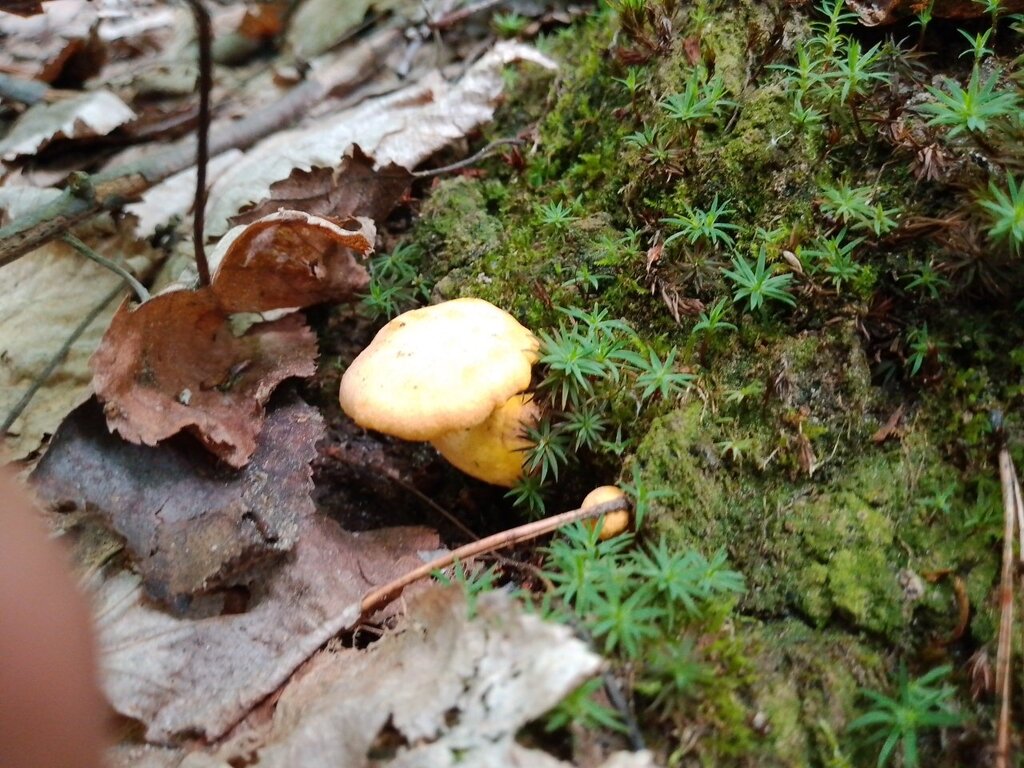
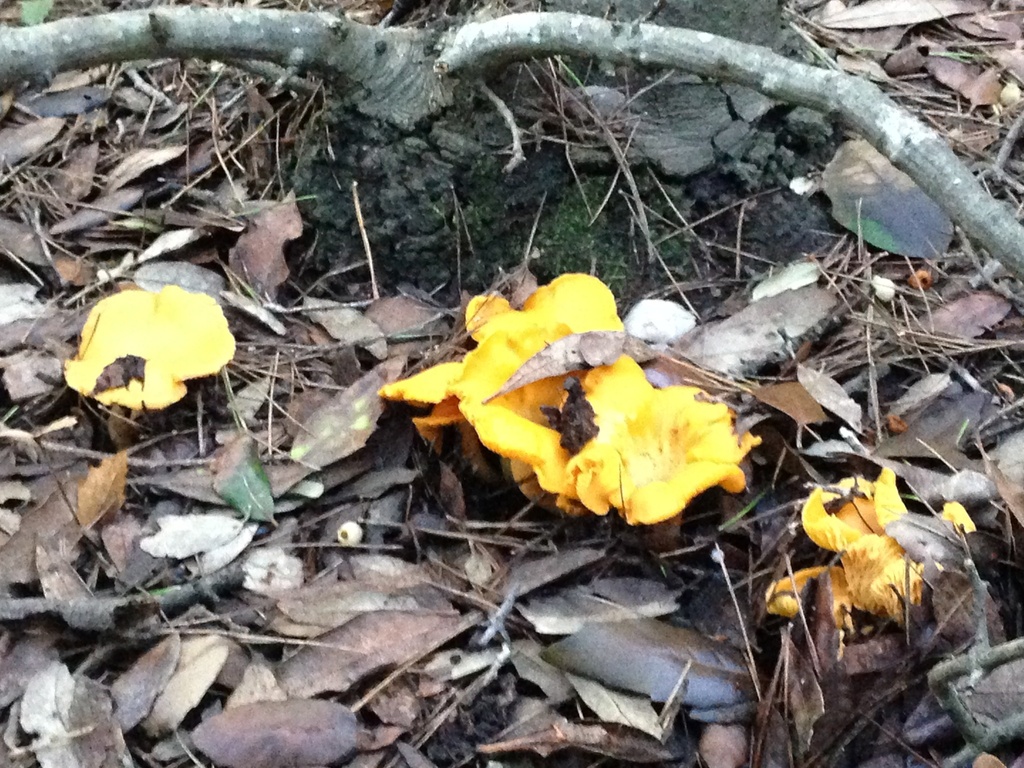
Daniel Castañal García · CC BY 4.0
Related Species
Was this profile helpful?