
Eurotatoria · Ploima
Lepadella Donneri
Lepadella donneri

Scientific Classification & Quick Facts
Classification
Known For
Detailed measurements for this species are still being verified.
Lepadella donneri is a microscopic rotifer belonging to the phylum Rotifera, a group of aquatic animals so small they inhabit the water films between soil particles and moss. Found across at least two countries, this species represents one of thousands of rotifers that play a vital but largely invisible role in freshwater and terrestrial ecosystems. Despite their diminutive size—measured in tenths of a millimetre—rotifers like L. donneri possess remarkably complex body plans, complete nervous systems, and intricate feeding mechanisms.
The conservation status of Lepadella donneri remains unknown, a reflection of how little is known about the vast majority of rotifer species globally. These organisms are rarely studied except by specialists, yet their abundance and ecological roles make them essential components of food webs and nutrient cycling in aquatic systems. What makes L. donneri particularly interesting is its membership in the family Lepadellidae, distinguished rotifers that employ specialized feeding structures to harvest bacteria, algae, and organic detritus from their microscopic habitats.
Identification and Appearance
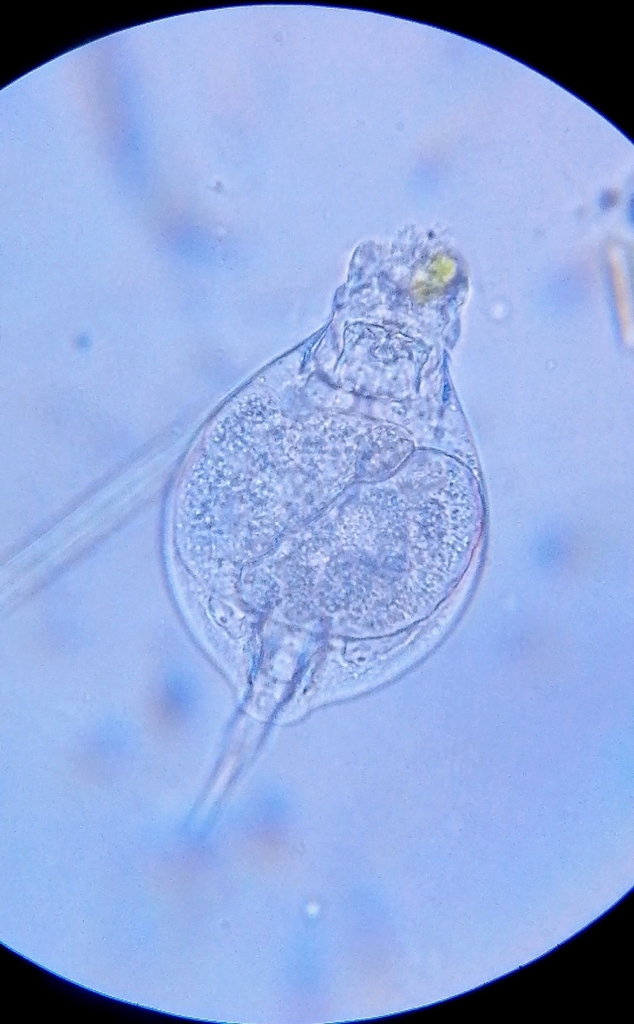
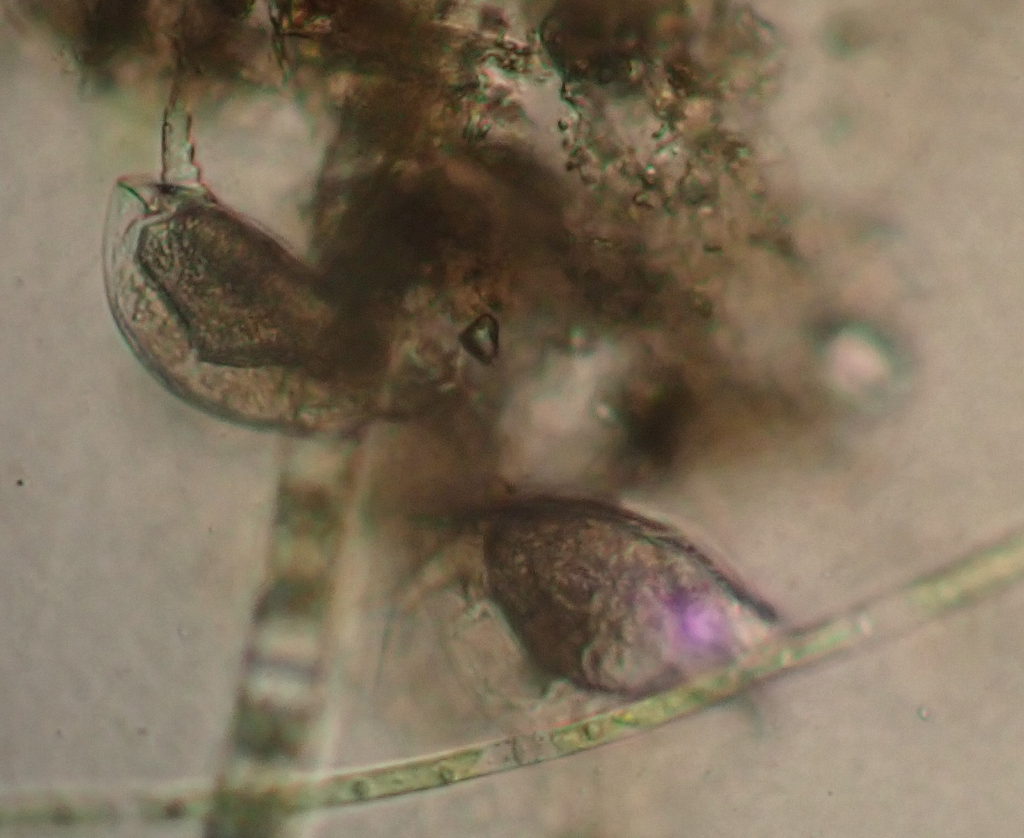
Lepadella donneri is a microscopic rotifer belonging to the family Lepadellidae. Like all members of this genus, it is an extremely small organism requiring magnification to observe its anatomical details. The species occurs in freshwater environments, including those at modest elevations around 11 metres above sea level.
Rotifers of the genus Lepadella are characterized by their barrel-shaped or cylindrical body plan, a distinctive corona of cilia used for feeding and locomotion, and a muscular foot-like structure called the fulcrum. L. donneri follows this general body organization typical of lepadellid rotifers. The organism’s minute size places it among the smallest multicellular animals, making detailed morphological observation possible only under light or electron microscopy. Specific measurements of length, width, or other dimensions for this species are not currently documented in standard references, reflecting the challenges of quantifying such microscopic organisms.
Identification of L. donneri relies primarily on the arrangement and morphology of lorica plates—the hardened external covering that characterizes lepadellid rotifers—as well as the structure of the foot and associated appendages. Without access to preserved specimens or high-resolution taxonomic illustrations, definitive visual distinction from closely related Lepadella species requires expert examination and comparison of these fine structural features. The species name donneri honours a researcher in rotifer taxonomy, continuing the tradition of commemorating naturalists through specific epithets.
Distribution and Habitat
Lepadella donneri has a limited global range, recorded from two countries in the Americas: Mexico and Brazil. Mexico represents the primary distribution center with three recorded observations, while Brazil has two confirmed occurrences. The species appears to be geographically restricted, with no documented presence on other continents.
This rotifer occupies low-elevation environments, occurring between 5 and 15 metres above sea level, with an average elevation of 11 metres. These microhabitats reflect typical freshwater and aquatic microorganism niches found in lowland regions of tropical and subtropical America.
Seasonally, Lepadella donneri shows pronounced occurrence in January, when two of the three observations were recorded. A single additional record was documented in June. This pattern suggests the species may be most active or detectable during the Northern Hemisphere winter and early summer months, though the limited dataset prevents definitive conclusions about year-round presence or absence in its range.
Biology and Behavior
Behavior
Lepadella donneri is a rotifer—a microscopic animal belonging to the phylum Rotifera. Like other members of this group, it inhabits freshwater and brackish environments where it moves through water using its characteristic corona, a ring-like structure fringed with cilia that creates currents for both locomotion and feeding. The species exhibits typical rotifer behavior, remaining largely sessile or moving slowly through its aquatic habitat in search of food sources.
Rotifers of the genus Lepadella are benthic or epibenthic organisms, meaning they live on or near the bottom of water bodies or attached to substrates. L. donneri likely spends much of its time in contact with sediment, algae, or detritus where food is most abundant. These organisms have minimal social structure; interactions between individuals are primarily competitive rather than cooperative, with reproduction occurring independently or through asexual means depending on environmental conditions.
Diet
Lepadella donneri, like most rotifers, is a detritivore and microphagous feeder. It consumes bacteria, small algae, organic particles, and decaying matter suspended in water or settled on substrates. The ciliated corona functions as a feeding apparatus, drawing microscopic food particles into the organism’s mouth opening. The species likely shows a preference for areas rich in decomposing organic material, where bacterial and algal abundance are highest.
Reproduction
Reproduction in Lepadella donneri follows the typical rotifer pattern of cyclical parthenogenesis. Under favorable environmental conditions—ample food, stable water chemistry, and moderate temperature—females reproduce asexually, producing genetically identical daughters without requiring males. When environmental stress increases (nutrient depletion, overcrowding, or seasonal changes), the population shifts to sexual reproduction, producing males and hardened resting eggs called resting cysts. These cysts can survive harsh conditions including desiccation and freezing, allowing the species to persist through unfavorable periods.
Individual females produce multiple offspring over a short lifespan typical of rotifers, often a matter of days to a few weeks depending on temperature and food availability. The rapid reproductive cycle enables L. donneri populations to respond quickly to changing environmental conditions, making the species a successful colonizer of ephemeral freshwater habitats such as moss cushions, soil pores, and small water bodies.
Conservation and Threats
Lepadella donneri has not been formally assessed by the IUCN Red List, meaning its conservation status remains undocumented in international assessments. This microscopic rotifer, like many aquatic microorganisms, falls outside the scope of routine conservation monitoring. Without a formal status designation, the species’ vulnerability to environmental change cannot be quantified at present.
The lack of systematic study of L. donneri reflects a broader gap in rotifer conservation knowledge. These organisms are ecologically significant as zooplankton and detritivores in freshwater and brackish systems, yet their population dynamics and geographical distribution are poorly documented. Without baseline data on abundance, range, or habitat requirements, assessing meaningful threats remains speculative.
Potential Threats
While no specific threats to L. donneri have been formally documented, the species—like other microscopic aquatic organisms—is likely vulnerable to habitat degradation. Water pollution, eutrophication, pesticide runoff, and acidification can alter the chemical and biological conditions in the small water bodies where rotifers thrive. Alterations to freshwater systems through drainage, dam construction, or wetland loss also pose indirect risks to populations in affected regions.
Conservation Efforts and Research Needs
No targeted conservation programmes currently exist for this species. The priority for L. donneri is foundational taxonomic and ecological research. Systematic surveys in its known range, molecular characterisation, and assessment of habitat preferences would establish baseline knowledge necessary for any future conservation planning. Protecting intact freshwater ecosystems—wetlands, ponds, and slow-flowing streams—benefits L. donneri and thousands of other microorganisms that depend on these habitats.
Cultural Significance
Lepadella donneri holds significance primarily within ecological monitoring and freshwater conservation rather than traditional human culture. As a benthic and periphyton-dwelling rotifer, it serves as an indicator species for water quality assessment in freshwater ecosystems. Its presence in aquatic surveys helps scientists understand habitat health and biodiversity in ponds and wetlands across different climatic zones, from subtropical regions to high-altitude volcanic water bodies.
The species features prominently in scientific studies evaluating rotifer communities in protected freshwater environments. Research at the Backshore Wetland of the Expo Garden in Shanghai identified Lepadella alongside related genera as a species adapted to clean water conditions, revealing its role in biomonitoring programs. Similarly, investigations at La Cantera Oriente, a shallow volcanic freshwater lake at 2,270 metres altitude in Mexico City’s Ecological Reserve, documented Lepadella donneri as part of broader rotifer diversity assessments designed to ensure conservation of aquatic biological heritage. These surveys underscore the species’ value in quantifying seasonal ecological changes and informing management strategies for protected freshwater systems.
Fun Facts
Lepadella donneri is a microscopic rotifer—a tiny aquatic animal so small it requires magnification to observe. These extraordinary creatures inhabit freshwater environments and play a vital role in aquatic food webs despite their diminutive size.
- Rotifers like L. donneri are among the smallest animals on Earth, measuring only 0.1–0.5 millimetres in length, making them invisible to the naked eye yet perfectly adapted to life in water droplets and microscopic habitats.
- As detritivores, L. donneri feeds on decomposing organic matter and bacteria, acting as a crucial cleanup crew in freshwater ecosystems and helping to recycle nutrients back into the food chain.
- Rotifers possess a distinctive crown of cilia called a corona, which creates a whirlpool effect to draw food particles into their mouths—an elegant microscopic feeding mechanism refined over millions of years.
- Lepadella donneri belongs to the class Monogononta, which reproduces through a unique strategy involving both asexual and sexual reproduction depending on environmental conditions.
- These animals can enter a state called cryptobiosis, suspending all metabolic activity during harsh conditions (drought, freezing temperatures, or oxygen depletion) and reviving when conditions improve—a survival strategy that can last years.
- Rotifers have been studied intensively in laboratories because of their transparent bodies, simple nervous systems, and short lifespans, making them valuable model organisms for developmental biology research.
- Despite their microscopic nature, L. donneri has functional eyes, a brain, muscles, and a complete digestive system, demonstrating that complexity and specialization occur at every scale of animal life.
Ecology
Habitats
Related Species
Was this profile helpful?