
Pinopsida · Pinales
Scots Pine
Pinus sylvestris
Least ConcernAlso known as: Native Scots Pinewood
© Matteo Martini · iNaturalist · CC BY 4.0
Pinus sylvestris, the Scots Pine, is one of Europe’s most iconic conifers—a tall, straight-trunked evergreen that has shaped the forests, economies, and cultural identity of the continent for millennia. From the windswept highlands of Scotland to the boreal forests of Russia, this species dominates landscapes across 18 countries, thriving in conditions that would challenge most other trees. Listed as Least Concern by the IUCN, the Scots Pine remains abundant and widespread, yet its ecological and historical significance far exceeds its current conservation rating.
What makes Pinus sylvestris especially noteworthy is the intersection of its practical utility and ecological function. For centuries, it has been harvested for timber, resin, and turpentine; today, it remains economically important across Scandinavia and central Europe. Simultaneously, this species plays a crucial role in restoring degraded landscapes and supporting biodiversity in forests where it grows alongside birch, spruce, and heather. Its ability to thrive in both naturally poor habitats and heavily managed plantations reveals a tree adapted not just to survival, but to partnership with human land use.
Identification and Appearance
Pinus sylvestris, the Scots Pine, is an evergreen coniferous tree with a distinctive silhouette and considerable longevity. This ancient species has a fossil record extending back to the Pliocene epoch; a seed cone of the closely related Pinus montana fossilis was dated to approximately 2.6 million years ago, confirming the remarkable antiquity of this genus.
Crown and Trunk Character
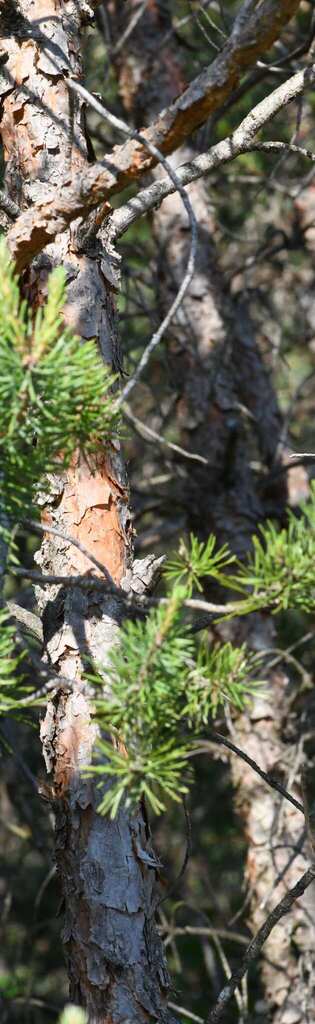
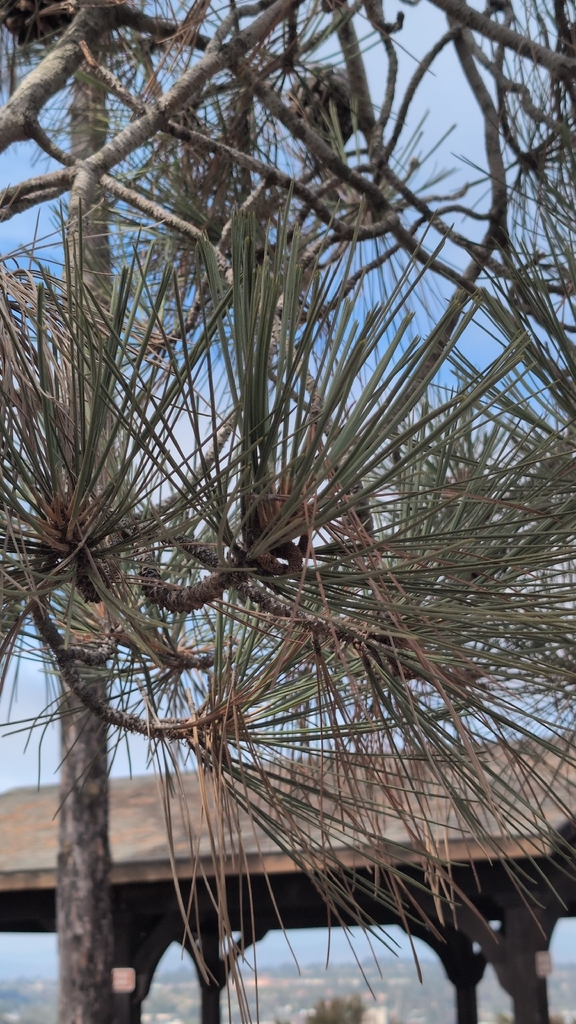
Young Scots Pines typically develop a dense, conical crown that becomes more spreading and irregular with age. The trunk is straight and cylindrical, with distinctive reddish-orange or orange-brown bark that exfoliates in irregular plates, particularly striking in older specimens. The lower trunk often becomes bare of branches as the tree matures, creating a characteristic tall, clean bole typical of commercial timber trees. Needles are borne in bundles of two (fascicles) and range from blue-green to grey-green, typically 4–7 centimetres long, with a slightly twisted appearance that helps distinguish this species from other pines.
Cones and Reproductive Structures
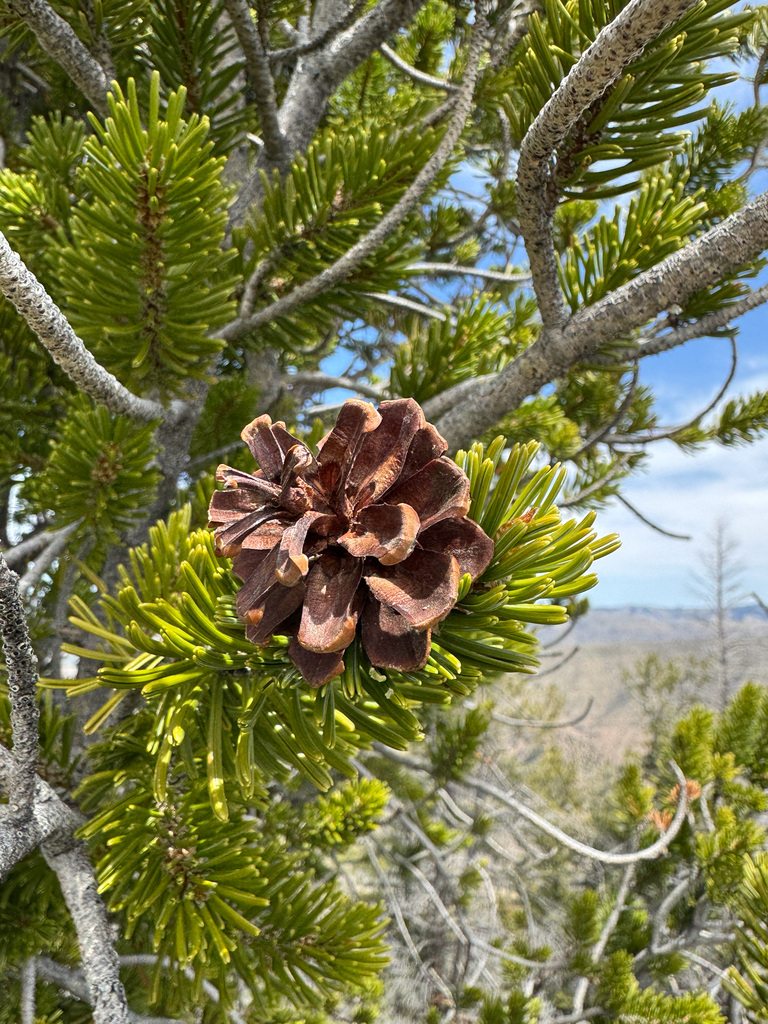
Female (seed) cones are ovoid to conical, measuring 3–8 centimetres in length, and mature from green to brown over two years. The cone scales have a distinctive pyramidal apophysis (thickened apex) with a small spine or umbo, giving them a characteristic roughened appearance. Male cones are smaller, yellowish, and shed pollen in early summer. The seeds are small and winged, enabling dispersal by wind across considerable distances. Sexual dimorphism is evident primarily in cone morphology rather than vegetative characters; both male and female cones are produced on the same individual tree.
Distribution and Habitat
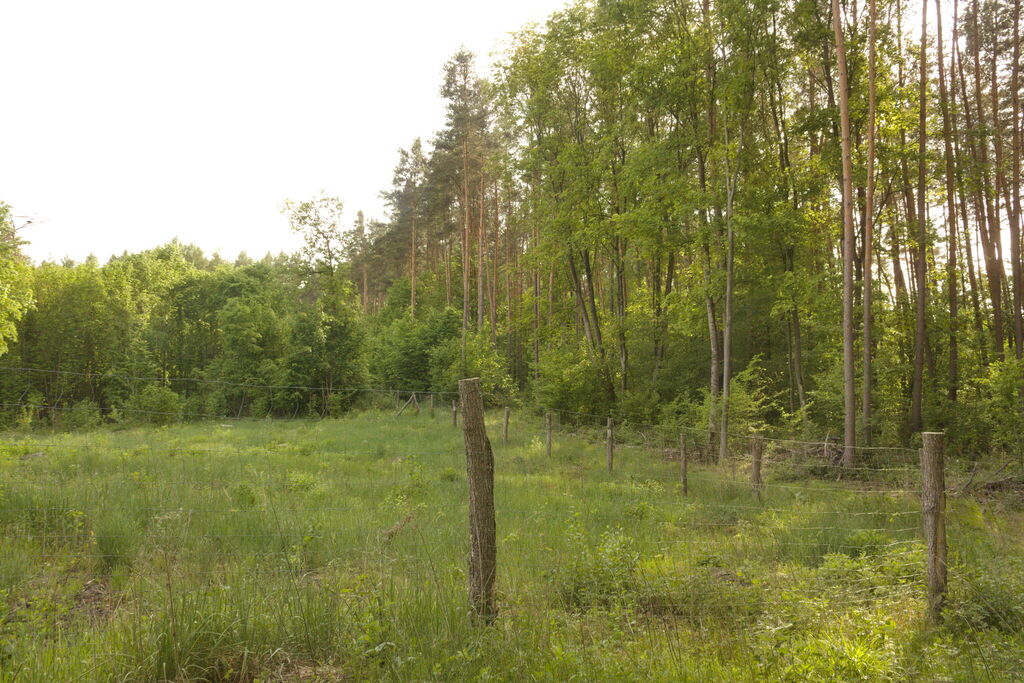
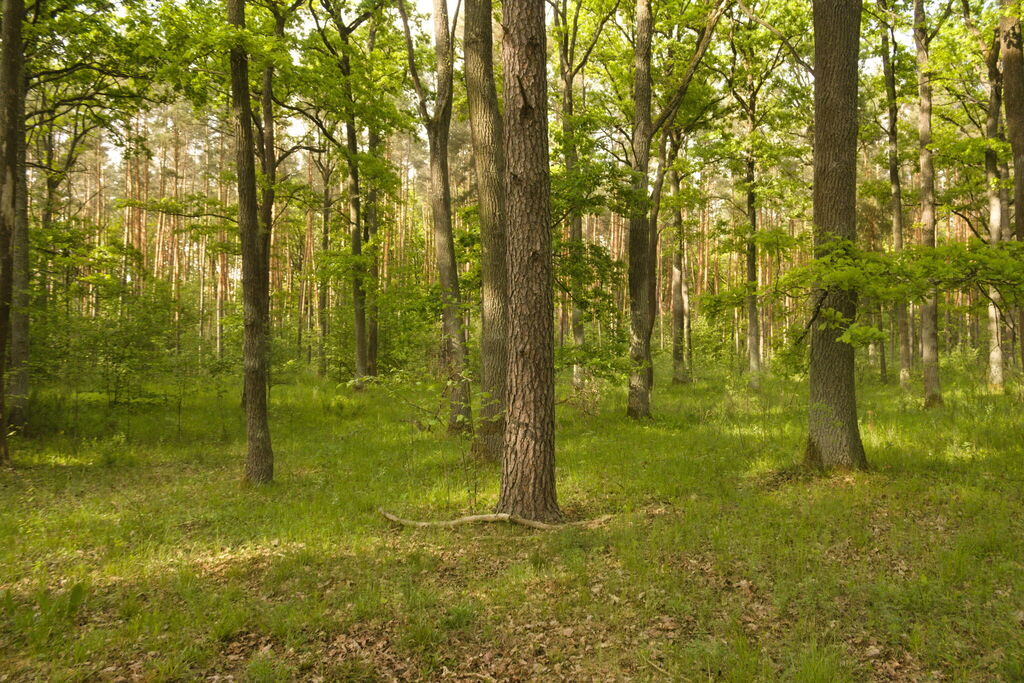
Pinus sylvestris has a broad distribution across northern and central Europe, with presence confirmed in 18 countries. The species reaches its highest abundance in Russia and Sweden, where GBIF records show 78 and 77 observations respectively. Significant populations also occur in Belgium (51 records), Norway (32), and Germany (18), with smaller but established populations in Austria, the United Kingdom, Denmark, Finland, and North America.
The species occurs at remarkably low elevations, with records concentrated between 17 and 17.5 metres above sea level. This elevation range reflects the predominantly lowland distribution of European populations, particularly in the continental and boreal zones where the species thrives in managed forests and native woodlands. The consistent elevation data suggests that most observations come from established forestry areas and nature reserves rather than mountain regions.
Observation data shows strong seasonal variation, with 300 records concentrated in January and no recorded observations across the remaining eleven months. This pattern likely reflects the timing of botanical surveys, forestry management activities, or phenological documentation during the dormant season when the tree’s structure is most visible. The winter peak does not indicate any migration or seasonal absence; rather, it reflects when naturalists and researchers most actively document the species in the field.
Growth and Cultivation
Growth
Pinus sylvestris is a large coniferous tree that typically reaches 30–40 metres in height at maturity, though exceptional specimens may exceed 45 metres. The tree develops a straight, cylindrical trunk with reddish-brown bark that becomes deeply fissured with age. Young trees display a dense, pyramidal crown that gradually becomes more open and irregular as the tree matures. Growth is relatively vigorous in suitable conditions, with the species establishing quickly from seed and responding well to favorable growing environments.
The needle-like foliage occurs in bundles of two, measuring 4–7 centimetres long, and displays a distinctive blue-green to grey-green coloration. Branches are arranged in whorls at regular intervals, creating the characteristic tiered appearance for which the species is noted. The tree sheds its inner needles seasonally, which is normal physiological behaviour rather than a sign of stress.
Flowering and Fruiting
Pinus sylvestris produces separate male and female cones on the same tree. Male cones are small, clustered, and release pollen in spring, while female cones develop over two years before opening to release winged seeds. The brown, woody female cones are oval to conical in shape and typically 3–8 centimetres long. Seed ripening and dispersal occur in autumn and winter following the year of pollination, with wind carrying the light, winged seeds considerable distances from the parent tree.
Cultivation
Scots Pine thrives in well-drained soils and tolerates a wide range of soil types, from poor, sandy substrates to loamy mixtures. The species is hardy across most temperate regions and demonstrates strong tolerance to cold winters and exposure to wind. Full sun exposure is essential for vigorous growth and dense foliage development; the tree performs poorly in shaded conditions. Established trees are drought-tolerant and require minimal supplemental watering once their root systems are fully developed.
Young trees benefit from protection during establishment and may require staking in exposed sites. The species naturally regenerates readily from seed and has few pest or disease problems in its native range, though it can occasionally suffer from pine weevil damage in newly planted stock. Minimal pruning is needed; the tree’s natural form is superior to artificially shaped specimens. As a pioneer species, Scots Pine is valuable for woodland restoration and windbreak establishment across northern Europe and beyond.
Conservation and Threats
Pinus sylvestris, the Scots Pine, holds a secure conservation status on the IUCN Red List, classified as Least Concern. This designation reflects the species’ wide natural distribution across northern Europe and Asia, combined with a stable and increasing global population. The widespread occurrence of Scots Pine in both native forests and planted stands means the species faces no imminent threat of extinction at the global scale.
The population trend for Scots Pine is increasing, driven largely by active reforestation and afforestation programmes across Europe and beyond. Native populations in boreal and temperate forests remain robust, while planted populations have expanded significantly in recent centuries. This positive trajectory distinguishes Scots Pine from many other conifers facing range contraction or demographic decline.
Threats and Conservation Efforts
While no severe threats currently threaten the global population, Scots Pine faces localized pressures in its native range. Habitat loss through conversion of natural forests to other land uses, fragmentation of ancient woodlands, and the impact of large-scale monoculture forestry reduce genetic diversity and disrupt natural ecosystem functions. In some regions, invasive pests such as the pine wood nematode and bark beetles pose risks to planted stands, particularly under climate stress. Native Scots Pine populations in Britain and parts of mainland Europe are also vulnerable to deer grazing, which prevents natural regeneration in unprotected areas.
Conservation efforts centre on protecting and restoring native Scots Pine forests, particularly in the Scottish Highlands where the species holds cultural and ecological significance. Programmes aimed at expanding the range of native Scots Pine through targeted planting and seed collection help maintain genetic diversity. Legal protections exist in many European countries, and the species benefits from inclusion in forest certification schemes that promote sustainable management. Climate adaptation strategies are increasingly important, as warming temperatures may alter suitable growing ranges and increase pest pressure in some areas.
Cultural Significance
The Scots pine holds profound symbolic importance in Scotland, where it serves as the national tree. This recognition reflects both the species’ deep historical roots in the Scottish landscape and its central role in the nation’s identity. Beyond official designation, the tree carries heraldic significance: it is the plant badge of two prominent Scottish clans, Clan Gregor and Clan Farquharson, embedding the species within the cultural fabric of Highland heritage.
Economically and ecologically, the Scots pine has shaped Britain’s forestry for centuries. It is the only native conifer of economic significance in the United Kingdom and forms the dominant tree in native pine forests across the region. This dual status—both culturally revered and commercially valuable—has made Pinus sylvestris central to Scotland’s relationship with its natural resources and landscape management.
Today, the species faces mounting pressures that threaten its cultural and ecological legacy. Climate change and a range of diseases now endanger populations across its range, from its strongholds in Scotland to isolated relic populations at the southern edges of its distribution. These threats underscore the urgency of protecting this iconic tree for future generations.
Fun Facts
Pinus sylvestris is one of the most visually distinctive pine species in the Northern Hemisphere, instantly recognisable by a combination of features rarely seen together in other conifers. Below are some remarkable facts about this ancient tree.
- Its orange-red bark is unusual among pine species and becomes more vibrant with age, creating a striking contrast against its blue-green foliage that is visible from considerable distances.
- The needles are notably short and blue-green, quite different from the longer, darker green needles typical of many other pines, making identification straightforward even for casual observers.
- Although universally called Scots pine in its native range and Scotch pine in North America, it is actually native to Eurasia, spanning from Scotland to eastern Russia and as far south as Turkey and Iran.
- Regional names reflect its distribution and commercial importance: it is known as Baltic pine in timber trade circles and European red pine in forestry, both referencing its distinctive red bark and geographic origin.
- The bark’s colouration deepens dramatically in older trees, transitioning from yellowish-brown in young saplings to a deep russet-red, a visual timeline of the tree’s age written across its trunk.
- Its ability to thrive in poor, sandy, and acidic soils made it invaluable for reforestation projects across northern Europe, particularly in areas where other trees struggled to establish.
- In its native range, Pinus sylvestris can live for over 500 years, with some specimens reaching ages comparable to the oldest trees in Europe, making ancient Scots pines living witnesses to centuries of history.
Ecology
Growing Conditions
Conservation Status
LC (Least Concern) · NT · VU · EN · CR · EW · EX
Photo Gallery
Matteo Martini · CC BY 4.0
Related Species
Was this profile helpful?